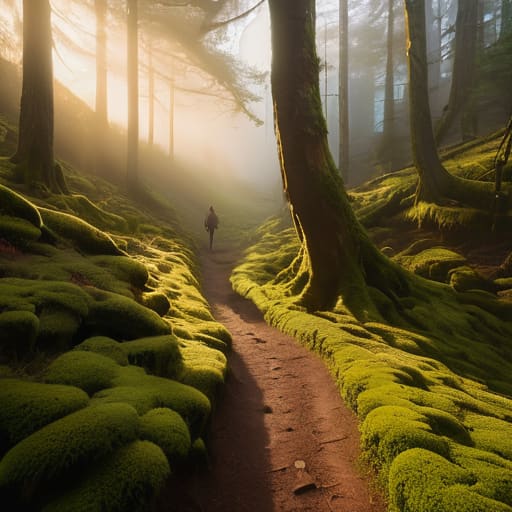
This morning, as I sat in the botanical gardens sketching the intricate, vein-like patterns of a fallen maple leaf, I found myself scoffing at a wellness podcast playing in my earbuds. The host was droning on about high-intensity interval training and expensive, bio-hacking wearable tech as if physical vitality were a complex equation requiring a PhD to solve. It’s exhausting, isn’t it? We’ve been sold this idea that wellness must be loud, expensive, and complicated to be effective. But in my experience, the most profound benefits of daily walking routines aren’t found in a data-driven sprint or a costly gym membership; they are found in the quiet, rhythmic cadence of simply moving through the world.
I’m not here to give you a sterile list of physiological data points or a rigid, unachievable schedule. Instead, I want to share how a consistent walk can become a sacred bridge between your cognitive clarity and your creative spirit. We are going to explore how this simple act serves as both a biological reset and a philosophical sanctuary, moving past the hype to find the true, lived harmony of a body in motion.
A Low Impact Cardiovascular Exercise for Vitality

When I sit in my studio, sketching the intricate veins of a fern, I am often reminded of how the body, much like a plant, requires gentle, consistent movement to thrive. Unlike the jarring intensity of high-impact sports, walking serves as a graceful low impact cardiovascular exercise that respects our physical boundaries while fueling our internal engines. It is a rhythmic dance that circulates oxygen through our systems without the harsh toll on our joints, allowing us to build stamina with the same patience one uses to nurture a delicate seedling.
Beyond the mere mechanics of the heart, there is a profound neurological elegance at play. As my feet meet the earth, I feel the tension of the day dissolving into the soil—a testament to the incredible walking for stress reduction that occurs when we sync our breath with our stride. It isn’t just about hitting arbitrary daily step count goals; it is about reclaiming a sense of somatic agency. By engaging in this steady, intentional motion, we aren’t just moving muscles; we are cultivating a resilient vessel that is better prepared to hold the weight of our creative and intellectual pursuits.
Walking for Weight Management and Bodily Harmony
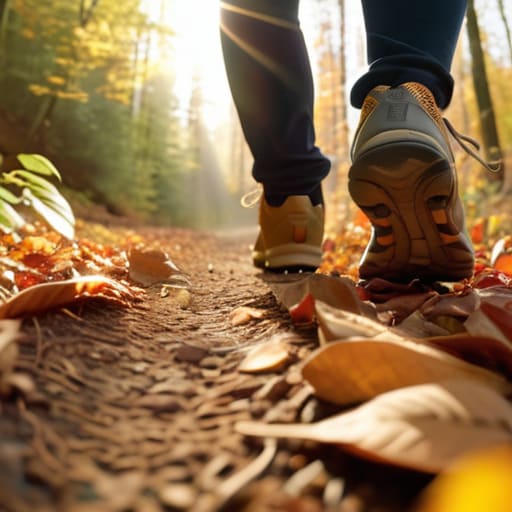
There is a quiet, rhythmic grace in how our bodies respond to movement, a biological poetry that unfolds when we commit to the path. When I consider walking for weight management, I don’t think of it as a clinical battle against calories, but rather as a way to honor the body’s natural equilibrium. Unlike the jarring intensity of high-impact workouts, a steady stroll allows us to engage our metabolism with a gentle persistence. It is a way of teaching our systems to burn steadily, like a slow-burning candle, fostering a sense of metabolic harmony that feels sustainable rather than punitive.
Beyond the physical scale, I find that this movement serves as a vital bridge to our internal stability. As I navigate the winding paths of the local arboretum, I notice how the simple act of improving mobility through walking seems to loosen not just my joints, but the mental knots of the day. There is a profound synergy between our physical weight and our emotional lightness; by moving our limbs through space, we invite a sense of bodily grace that makes the heavy burdens of life feel a little more manageable.
The Gentle Alchemy: Five Ways to Weave Walking into Your Soul’s Rhythm
- Cultivate a Sacred Window: Rather than viewing a walk as a chore on a checklist, treat it as a rhythmic ritual. I find that stepping into the morning light before the world grows loud allows my cognitive faculties to settle, turning a simple stroll into a meditative bridge between sleep and conscious creation.
- Observe the Micro-Wonders: To nourish your creative spirit, practice “botanical mindfulness.” As I wander, I don’t just move my feet; I look for the serrated edge of a new leaf or the way light filters through a canopy. This intentional observation shifts your brain from a state of analytical stress to one of expansive curiosity.
- Sync Your Step with Your Thoughts: Use the cadence of your gait to process complex emotions. There is a beautiful symbiosis between the physical rhythm of walking and the flow of thought; when the body moves steadily, the mind often finds it easier to untangle the knots of a difficult problem or a lingering philosophical question.
- Curate a Sensory Soundtrack: Whether it is the intentional silence of a garden or the soft hum of a curated playlist, let your auditory environment serve your mental state. I often use my walks to listen to ambient sounds that mirror the landscape, helping to ground my nervous system in the present moment.
- Embrace the Unplanned Detour: In both science and art, some of the greatest discoveries happen in the margins. Allow yourself the grace to wander off the paved path occasionally. These small, spontaneous deviations mimic the cognitive flexibility we need to navigate the complexities of a truly authentic life.
The Path Ahead: Weaving Movement into the Soul
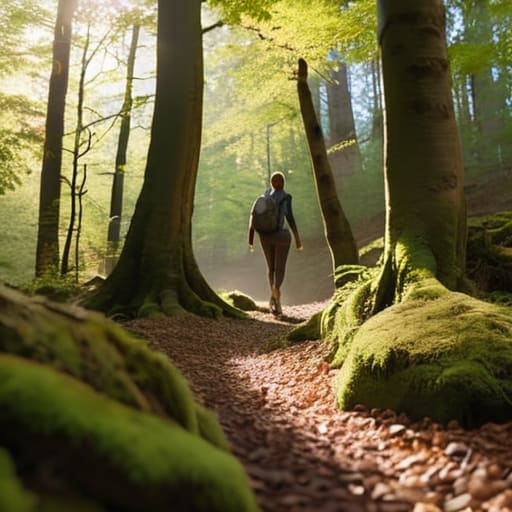
As we look back at the tapestry we have woven today, it becomes clear that a daily walk is far more than a mere physical task; it is a profound act of self-care that nurtures both the vessel and the mind. We have explored how this gentle rhythm serves as a low-impact sanctuary for our cardiovascular health, a steady pulse that sustains our vitality, and how it acts as a graceful partner in maintaining our bodily harmony and weight. By integrating this simple movement, we aren’t just burning calories or strengthening our hearts; we are engaging in a deliberate practice of presence that bridges the gap between our biological needs and our mental equilibrium. It is a way to honor the complex, beautiful machinery of the human body through consistent, rhythmic grace.
So, as you step out of your door tomorrow, I invite you to view your walk not as a chore to be checked off a list, but as a sacred pilgrimage through your own life. Perhaps you will notice the way the light filters through the canopy, or how the air feels against your skin, much like the way a new leaf finds its place in my nature journal. Let each step be a moment where science meets soul, a chance to quiet the noise of the world and listen to the internal cadence of your own being. May your journey be long, your spirit be light, and may you find that in the simple act of walking, you are actually finding your way home to your most authentic self.
As I transition from the physical mechanics of movement to the more subtle, social rhythms of our lives, I often find that our environment plays a profound role in how we connect with others. Just as a plant seeks the right soil to truly flourish, our well-being is deeply tied to the quality of our human connections and the spontaneity of our shared experiences. If you find that your daily walks are opening new doors to curiosity about the world around you, you might find a beautiful sense of expansion in exploring new social landscapes, perhaps even seeking out casual encounters hamilton to embrace the unpredictable beauty of meeting new people. Embracing these moments of unexpected connection can be just as vital to our holistic health as the steady beat of our footsteps on a forest path.