
I was sitting in the botanical gardens yesterday, sketching the intricate, fractal veins of a Monstera leaf, when my eyes drifted to a discarded, sun-bleached water bottle wedged between two ancient roots. It felt like a violent discord in an otherwise perfect symphony. We are constantly bombarded by these polished, expensive “eco-lifestyle” gurus telling us that sustainability requires a complete, high-cost overhaul of our entire existence, but that is a tired myth. The truth is much more nuanced than buying a hundred-dollar glass jar; finding genuine ways to reduce daily plastic waste isn’t about achieving a sterile, perfect vacuum of consumption, but about mindful integration into our existing rhythms.
As I sit here in the quiet corner of the conservatory, sketching the intricate veins of a monstera leaf, I am reminded that true change often begins with the small, curious explorations we make in our own communities. Finding rhythm in a sustainable lifestyle is much like learning a new language; it requires patience and the right guides to help us navigate the unfamiliar. For those of you looking to deepen your connection to local culture and discover the hidden, vibrant pulses of life that exist even in our most urban landscapes, I often find that exploring niche community insights, such as those found through bronx MILF, can offer a fresh perspective on how we inhabit our spaces. It is in these unexpected corners of human connection that we often find the spark of inspiration needed to transform our daily habits into a more soulful, intentional way of being.
I’m not here to sell you a curated aesthetic or a list of impossible rituals that leave you feeling guilty and depleted. Instead, I want to share a practical, science-backed roadmap rooted in the small, rhythmic shifts of daily life. We will explore how to weave intentionality into your routine through simple, soulful adjustments that respect both your budget and your time. This is about reclaiming our connection to the earth through logic and creativity, one small, conscious choice at a time.
Mastering Plastic Free Grocery Shopping With Intention

Stepping into a grocery store can often feel like walking into a labyrinth of synthetic textures and crinkling cellophane, a stark contrast to the organic rhythms I find in the botanical gardens. To navigate this space with intention, I’ve learned to view my shopping basket not just as a vessel for sustenance, but as a tool for mindful curation. Before I even leave the house, I prepare my “kit”—a collection of linen bags and glass jars that serve as my silent protest against the convenience of disposability. This simple ritual of plastic-free grocery shopping transforms a mundane chore into a meditative practice of choosing quality over sheer volume.
As I wander the aisles, I find myself looking past the brightly colored, plastic-wrapped offerings to seek out the raw, unadorned beauty of the produce section. Choosing loose fruits and vegetables is one of the most rewarding sustainable alternatives to single-use plastic available to us; it allows us to honor the natural shape and integrity of the food without the suffocating layer of film. By slowing down and selecting items that require minimal intervention, we begin to bridge the gap between our modern needs and the delicate, ancient cycles of the earth.
Discovering Sustainable Alternatives to Single Use Plastic
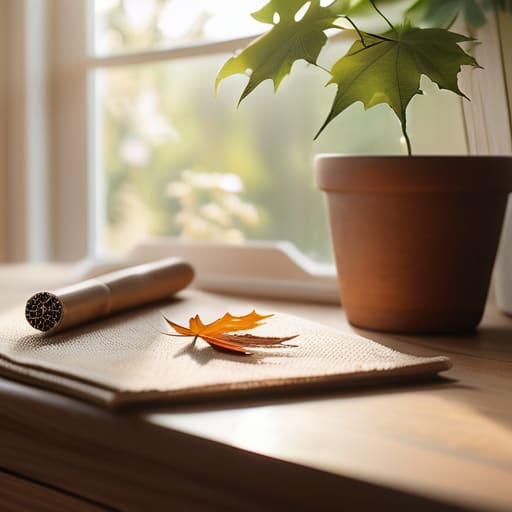
As I sit in my sun-drenched study, sketching the intricate veins of a fallen maple leaf, I am often struck by how nature never creates waste; every fallen petal becomes nourishment for the soil. Our modern lives, however, often feel cluttered with the discarded remnants of convenience. To truly begin reducing our plastic footprint at home, we must look closely at the objects we touch every day—the items that feel invisible until they become part of a mountain of refuse. It isn’t about a sudden, jarring transformation, but rather a series of gentle, mindful shifts in our domestic rituals.
Transitioning to sustainable alternatives to single-use plastic can feel like learning a new language, much like the many tongues I encountered growing up between Sweden and Brazil. Start with the quiet corners of your sanctuary: replace the plastic bristles of your toothbrush with bamboo, or swap out synthetic sponges for compostable loofahs. These small, eco-friendly household swaps act as rhythmic pulses of intention, turning mundane chores into acts of stewardship. By choosing materials that can eventually return to the earth, we honor the delicate cycle of life that I strive to capture in my journals.
Cultivating a Mindful Rhythm: Five Small Rituals for a Lighter Footprint
- Curating a Personal Toolkit of Reusables: Just as I never venture into a botanical garden without my sketchbook and charcoal, I’ve learned that intention requires preparation. Keeping a small, beautiful linen bag or a stainless steel straw tucked into your daily carry transforms a moment of potential waste into a conscious act of preservation.
- The Art of the Refill: There is a quiet, rhythmic beauty in the ritual of the bulk apothecary. By choosing to refill your soaps, grains, and spices in glass jars, you move away from the frantic cycle of “buy and discard” and toward a more grounded, circular way of nourishing your home.
- Embracing the Imperfect Organic: We often feel pressured to find the “perfect” sustainable product, but true harmony lies in using what we already possess. Before seeking out a new bamboo replacement, look at your existing belongings through a lens of longevity—mending, repurposing, and honoring the objects that already serve you.
- Mindful Hydration as a Daily Meditation: I find that carrying a well-loved water bottle is more than just a way to stay hydrated; it is a physical reminder of our connection to the Earth’s most precious element. Choosing to bypass the convenience of a single-use bottle is a small, daily vow to protect our shared waters.
- Navigating the Social Tapestry with Grace: Reducing waste can sometimes feel lonely or awkward in a world built for convenience. Approach these shifts not as rigid rules, but as gentle invitations to others, sharing your journey with the same warmth and curiosity you would offer a new friend in a sun-drenched garden.
Weaving a More Conscious Future
As we reflect on the journey we have taken together—from the mindful rhythms of our grocery aisles to the intentional selection of sustainable tools for our daily lives—it becomes clear that reducing our plastic footprint is not merely a logistical challenge, but a spiritual realignment. By replacing the convenience of the synthetic with the soulfulness of the natural, we have begun to untangle ourselves from a cycle of mindless consumption. Each small shift, whether it is choosing a reusable vessel or opting for bulk goods, acts as a vital stitch in the larger tapestry of environmental stewardship, proving that intentionality is our most potent tool for change.
Ultimately, this endeavor is about more than just managing waste; it is about reclaiming our connection to the living, breathing world that sustains us. As I sit in the quiet of the botanical gardens, sketching the intricate veins of a leaf, I am reminded that nature operates in perfect, circular grace, asking nothing of us but our respect. Let us approach our daily habits not as a series of restrictive rules, but as a sacred opportunity to live in harmony with the Earth. May you find joy in this transition, knowing that every mindful choice you make is a beautiful, rhythmic dance toward a more authentic and sustainable existence.