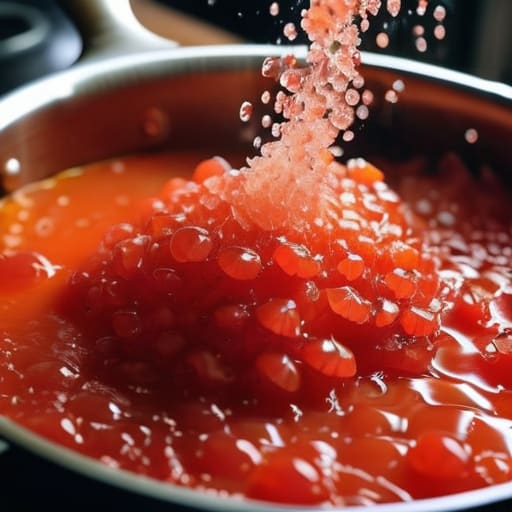
I remember sitting in my grandmother’s sun-drenched kitchen in São Paulo, watching her move with a rhythmic, almost scientific grace, only to realize that I had spent years believing the lie that culinary excellence required an expensive arsenal of gadgets and a degree from a Michelin-starred academy. I used to think that if my risotto was gummy or my herbs tasted like dust, it was because I lacked the “right” equipment. But as I’ve learned through both my studies in cognitive science and my travels through global markets, the most frequent common mistakes in home cooking aren’t born from a lack of expensive tools, but from a disconnection between our senses and the ingredients right in front of us.
I am not here to sell you a fancy immersion blender or a set of copper pans; I am here to help you find the harmony between technique and intuition. In the following pages, I will strip away the culinary pretension to reveal the foundational shifts you need to make. We will explore how to rectify the most frequent common mistakes in home cooking by understanding the logic of heat and the poetry of seasoning, ensuring your kitchen becomes a space of creative flow rather than frantic error.
The Art of Seasoning Food Correctly and Harmoniously
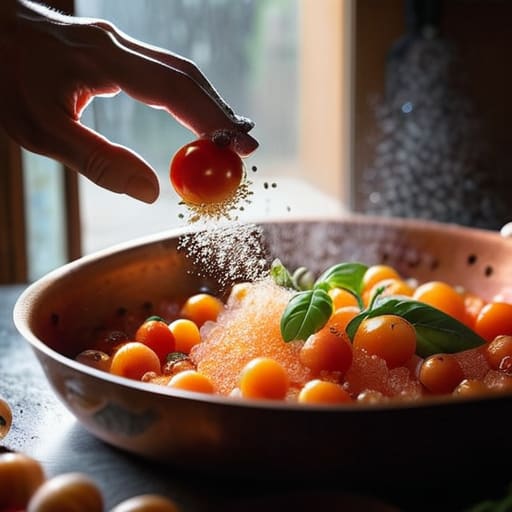
I often find myself sitting in the quiet corners of a botanical garden, watching how a single drop of dew can transform the entire aesthetic of a leaf. There is a profound, quiet intelligence in how nature balances its elements, and I believe our kitchens deserve that same reverence. When it comes to seasoning food correctly, we often treat salt and spice as mere afterthoughts—dusting them over a dish at the final moment like fallen petals. But true seasoning is an iterative process, a slow dialogue between the heat of the pan and the soul of the ingredient. It requires us to listen to the food as it evolves, adding layers of flavor that build upon one another rather than competing for dominance.
Too often, we fall into the trap of thinking more is better, when in reality, the most exquisite meals are those where each element has room to breathe. It is a delicate dance of improving culinary skills at home by learning to trust our palates over the measuring spoon. If we approach our spices with the curiosity of a scientist and the intuition of a poet, we stop merely “salting” our food and begin truly composing it.
Mastering Temperature Control in Cooking to Find Balance
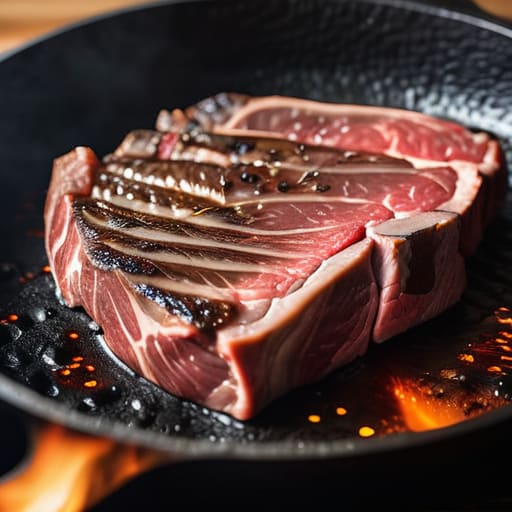
In my studies of cognitive science, I’ve often been fascinated by how our brains struggle to perceive subtle shifts in environment until they become overwhelming. Cooking is much the same; we often treat heat as a binary—either it is on or it is off—forgetting that it is actually a fluid, living spectrum. One of the most frequent stumbles I see when people are improving culinary skills at home is the tendency to rush the process with high heat, hoping to force a transformation. But much like a plant that withers under a sudden, harsh sun, your ingredients can lose their structural integrity and soul if they aren’t given the grace of a gradual transition.
Achieving true equilibrium requires a mindful approach to temperature control in cooking. When we neglect the nuances of a gentle simmer or a controlled sear, we risk the heartbreak of preventing overcooked meat from becoming a reality, only to find ourselves staring at something tough and unyielding. It is a delicate dance between the physics of heat transfer and the intuition of the chef. By learning to listen to the rhythmic hiss of a pan or the quiet bubble of a reduction, we move closer to that beautiful intersection of scientific precision and sensory art.
The Subtle Rhythms: Avoiding the Discord of Common Kitchen Pitfalls
- The Tragedy of the Crowded Pan: Just as a garden requires space for roots to breathe and expand, your ingredients need room to dance. When we crowd a pan, we inadvertently trap steam instead of inviting the searing kiss of heat, turning a crisp, golden transformation into a dull, grey struggle for texture.
- The Rush to the Finish: In our modern, hurried world, we often forget that some things—much like the slow ripening of a fruit or the steady growth of a forest—cannot be forced. Rushing a braise or skipping the resting period for a piece of protein is a denial of the natural patience required for flavors to truly settle and harmonize.
- Neglecting the Mise en Place: I find that a cluttered workspace often mirrors a cluttered mind. To cook with soul, one must first find order; failing to prepare your ingredients beforehand creates a frantic energy that disrupts the meditative flow of the process, leading to scorched garlic or forgotten spices.
- The Tyranny of the Recipe: While a recipe provides a beautiful map, we must not mistake it for the terrain itself. Relying too heavily on rigid measurements without engaging your senses—the scent of browning butter or the tactile resistance of dough—is like reading a description of a flower rather than actually smelling its bloom.
- The Oversight of Acid: We often seek balance through salt, but we frequently forget the bright, clarifying power of acidity. Much like a sudden burst of sunlight through a canopy, a squeeze of lemon or a splash of vinegar can awaken a dish that feels heavy or one-dimensional, bringing the much-needed light back to the palate.
The Symphony of the Kitchen
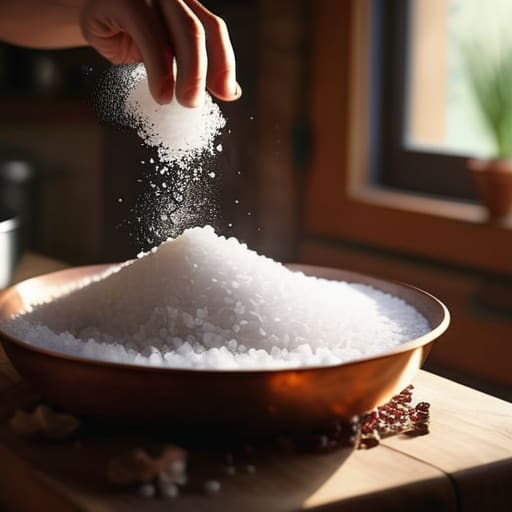
As we step back from the stove, we can see that the mistakes we often make—neglecting the delicate dance of seasoning or losing our rhythm with temperature control—are rarely about a lack of skill. Rather, they are often a disconnect between our scientific understanding and our intuitive presence. By learning to respect the chemical transformations of heat and the nuanced layers of flavor, we transform cooking from a mere chore into a disciplined art form. When we approach our ingredients with both a keen eye for technique and a soulful appreciation for their essence, we move past the errors of haste and toward a true culinary equilibrium.
Ultimately, my dear friends, remember that your kitchen is much like a botanical garden; it requires patience, observation, and a willingness to let things grow in their own time. Do not be discouraged by a fallen soufflé or an over-salted broth, for even in the most beautiful landscapes, there is occasional decay that nourishes future blooms. Let each meal be an opportunity to practice the harmony of mind and hand, bridging the gap between what we know and what we feel. May your cooking become a soulful expression of your most authentic self, a delicious testament to the beautiful complexity of living.
As I sit here in my sun-drenched nook, tracing the delicate veins of a fallen maple leaf, I am reminded that the most profound connections often happen when we allow ourselves to step away from the rigid structures of our daily routines. Just as a chef must occasionally step back from the stove to truly sense the evolving aroma of a reduction, we all need spaces where we can explore our most intimate and uninhibited desires without judgment. For those seeking a different kind of sensory exploration or a way to spark a sense of connection and playfulness, engaging in an erotic chat can serve as a fascinating way to rekindle the flame of curiosity within your own private landscape, much like discovering a hidden, vibrant bloom in the corner of an ancient garden.