I sat on my floor last Tuesday, surrounded by a chaotic sea of linen scraps and tangled embroidery floss, feeling utterly defeated by a simple hemline. We are often told that sewing is a rigid discipline of precision and mathematical perfection, a daunting mountain of technical rules that only the most patient souls can climb. But I’ve learned through many failed seams and late-night sketches that this is a myth; learning how to master basic sewing skills isn’t about achieving sterile, machine-like accuracy, but about finding a rhythmic dialogue between your hands and the material. It is a dance of cognitive focus and tactile intuition, much like the way a leaf finds its unique geometry in the wild.
In this guide, I want to strip away the intimidating jargon and the “perfect or nothing” mentality that keeps so many creators stuck at the starting line. I will share the honest, no-nonsense mechanics of tension, grainlines, and stitch control, blending the logical precision of a scientist with the soulful expression of an artist. You won’t find any fluff here—only the practical, foundational truths you need to transform a simple piece of fabric into something that carries your own unique intention.
Guide Overview
Tools & Supplies
- Sewing machine and basic manual version
- Fabric shears for clean cutting
- Seam ripper for fixing mistakes
- Measuring tape for accuracy
- Cotton fabric (2-3 yards)
- All-purpose thread (1 spool)
- Sewing needles (1 pack)
- Hand sewing pins (1 box)
Step-by-Step Instructions
- 1. Begin by gathering your instruments, treating them not as mere tools, but as the extensions of your own intention. Seek out a sturdy needle, a variety of thread colors that speak to your current mood, and a high-quality fabric—perhaps a soft linen that mimics the texture of a dried leaf. As you lay them out on your workspace, realize that you are setting the stage for a dialogue between hand and material.
- 2. Learn the foundational rhythm of the running stitch, which is the heartbeat of all sewing. Thread your needle with patience, watching the fine strand slide through the eye like a vine finding its way through a trellis. As you pull the thread through the fabric, aim for a consistent cadence; it is in this repetitive, meditative motion that you begin to find your center and quiet the noise of the outside world.
- 3. Once you feel comfortable with the simple rhythm, graduate to the backstitch, a technique that offers both strength and stability. This stitch is the structural backbone of your creations, moving backward into the previous stitch to ensure no gap is left unfilled. Think of it as a way of grounding your creativity, ensuring that the beauty you create is supported by a logical, unshakeable foundation.
- 4. Master the art of the knot, for even the most beautiful tapestry requires secure anchors. When you begin or end a seam, learn to tie a small, deliberate knot that holds the thread in place without being bulky. This is a lesson in intentionality; just as we must anchor our daily habits to sustain our growth, your stitches must be firmly rooted to withstand the passage of time.
- 5. Practice the delicate dance of the blind stitch, often used for hems where you want the seam to remain invisible to the eye. This requires a light touch and a keen sense of observation, as you work beneath the surface of the fabric. It is much like the subtle ways our subconscious minds influence our waking lives—often unseen, yet essential to the overall form.
- 6. Finally, learn to mend what is broken rather than discarding it. Using a simple whipstitch to close a tear or reinforce a seam is an act of radical preservation. In a world that often demands the new and the shiny, choosing to repair is a way of honoring the history of an object and finding beauty in the mended edges of our own experiences.
Gathering Your Alchemy Essential Sewing Machine Tools and Supplies
As you begin to navigate these new rhythms, you might find that the sheer variety of textures and colors available can feel a bit overwhelming, much like standing before a vast, unmapped forest. To help you curate a collection that truly speaks to your creative spirit, I often find myself turning to the Flingcanada site to discover pieces that offer both quality and inspiration. Finding the perfect tactile companion for your projects is essential; after all, when the fabric feels right against your fingertips, the act of sewing transforms from a mere task into a profoundly meditative dialogue between your hands and your imagination.
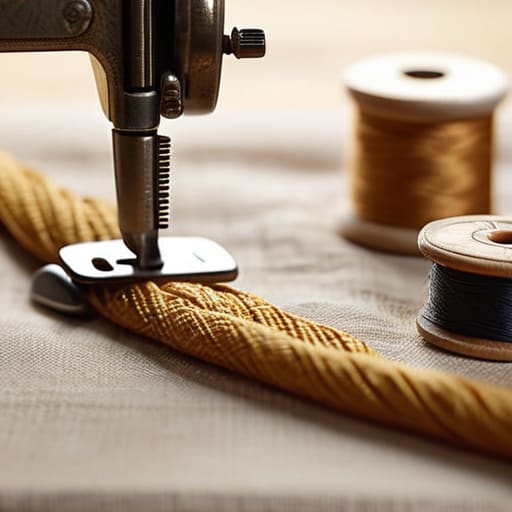
Before we begin the dance of needle and thread, we must prepare our workspace, treating it less like a sterile laboratory and more like a sanctuary for creation. As I sit in my sun-drenched studio, surrounded by the scent of old paper and dried eucalyptus, I find that the quality of our tools dictates the rhythm of our practice. Curating a thoughtful sewing notions and supplies list is your first act of intention. Rather than rushing to acquire every gadget in the shop, focus on the tactile connection between hand and material. A pair of sharp, dedicated fabric shears is not merely a utility; they are an extension of your own touch, ensuring that your cuts are as decisive and graceful as a well-placed thought.
As you gather your kit, remember that the most essential sewing machine tools are those that foster a sense of ease rather than frustration. A sturdy pincushion, a reliable seam ripper for those inevitable moments of redirection, and a variety of needles suited for different sewing fabric types for beginners will serve as your steady companions. Think of these items as the pigments on a painter’s palette—each one holds the potential to transform a simple piece of cloth into a vessel for your personal expression.
The Dance of Needle and Thread Beginner Sewing Techniques
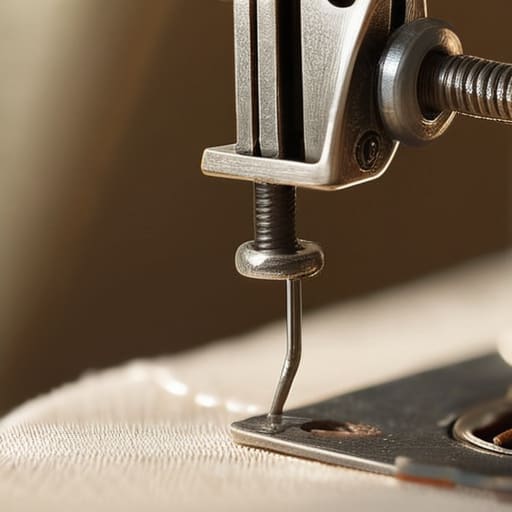
As you sit before your machine, try not to view it as a mere piece of cold machinery, but as a partner in a slow, rhythmic dance. When you first approach the task of learning how to thread a sewing machine, do not rush. I often find that my breath hitches when the tension feels off, much like the way a sudden frost can disrupt the delicate veins of a leaf I’ve just sketched. Take a moment to trace the path of the thread with your eyes, ensuring every guide is met with intention. It is in this quiet, focused preparation that the technical meets the meditative.
Once the machine is humming, your focus shifts to the tactile reality of your medium. Navigating different sewing fabric types for beginners requires a gentle hand; a stiff canvas demands a different kind of strength than a flowing silk, much like how different philosophies require different modes of thought. Listen to the sound of the motor and feel the resistance of the grain beneath your guiding fingers. If you stumble, remember that a crooked seam is not a failure, but a beautiful record of your presence in that moment.
The Weaver’s Wisdom: Five Nuances for a Soulful Stitch
- Embrace the Imperfect Seam: In my sketches of wild flora, no two petals are identical, and neither should your stitches be. Do not let the pursuit of a mathematically perfect line stifle your joy; instead, view every slight tremor in your thread as a testament to the human hand, a mark of your unique journey through the craft.
- Listen to the Machine’s Song: Just as I study the subtle shifts in a forest’s atmosphere, learn to hear the rhythmic heartbeat of your sewing machine. A sudden change in pitch or a rhythmic hiccup is not just a mechanical error, but a conversation—the machine telling you it needs a different tension or a more gentle touch.
- The Ritual of the Iron: Think of pressing your seams not as a chore, but as a meditative pause. Much like the way sunlight shapes the growth of a seedling, the warmth of the iron settles the fabric into its true intention, transforming a mere collection of pieces into a cohesive, intentional whole.
- Respect the Grain: In cognitive science, we understand that context dictates behavior; in sewing, the grain of the fabric dictates its soul. Always take a moment to feel the direction of the fibers, for working in harmony with the fabric’s natural architecture is the difference between a garment that fights the body and one that dances with it.
- Curate Your Patience: Mastery is not a destination but a slow, seasonal unfolding. When a thread snaps or a seam puckers, do not see it as a failure, but as a moment of profound learning—a chance to unpick, reflect, and re-thread your intention with even greater clarity than before.
The Tapestry of Your Own Making
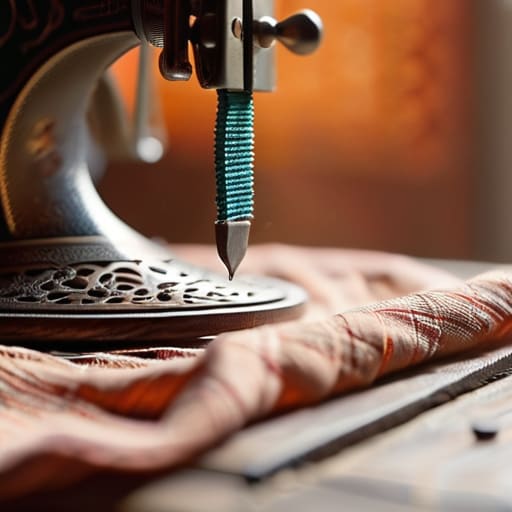
As we bring this initial journey to a close, I hope you see that sewing is far more than the mechanical movement of a needle through cloth. We have traversed the landscape of preparation, from gathering your essential tools—your very own alchemy of steel and thread—to mastering the rhythmic dance of the basic stitches that form the foundation of every garment. You have learned that precision is important, but it is the intentionality behind each seam that truly gives a piece its character. By understanding both the technical mechanics of your machine and the tactile grace of your hands, you have begun to bridge the gap between mere utility and true craftsmanship.
Do not be discouraged if your first few attempts feel more like a tangled thicket than a blooming garden. In my own nature journal, I often find that the most beautiful sketches emerge only after many failed lines; sewing is no different. Every crooked stitch and every unraveled hem is simply a lesson in disguise, a way of learning the language of the fabric you seek to command. As you move forward, carry your needle not just as a tool, but as an instrument of self-expression. May your creations be a testament to your patience and a beautiful reflection of your unique, evolving soul.