I was kneeling in the damp soil of a small botanical garden in Lund last spring, sketching the delicate veins of a fern, when I realized that most people approach gardening as a battle against nature rather than a dance with it. We are often told that gardening requires an innate, almost magical green thumb, but the truth is far more grounded: creating a sanctuary begins with structure. Many struggle with the overwhelming technicality of it all, fearing they’ll fail before the first seed is even sown, yet the essential steps to build a raised garden bed are less about complex engineering and more about intentionality. It is about carving out a deliberate space where your creativity can finally take root without the chaos of weeds and compacted earth pulling you under.
In this guide, I am stripping away the intimidating jargon to offer you a clear, soulful roadmap for your own backyard transformation. I won’t bore you with endless, impractical theories; instead, I will provide you with the practical, no-nonsense steps to build a raised garden bed that honor both your time and your spirit. We will move from the logic of selecting the right timber to the poetic art of layering soil, ensuring you walk away with a living masterpiece that feels as much a part of you as a well-loved book.
Guide Overview
Tools & Supplies
- Drill/Driver for assembling wood
- Measuring tape for accurate cuts
- Level to ensure even ground
- Handsaw or miter saw for sizing lumber
- Untreated cedar or redwood boards (approx. 4-6 pieces)
- Galvanized wood screws (1 box)
- Garden soil/compost mix (enough to fill volume)
- Landscape fabric or hardware cloth (to prevent weeds/pests)
Step-by-Step Instructions
- 1. Before a single piece of wood is cut, we must engage in the quiet art of observation and intention. Walk through your garden space at different hours of the day, watching how the shadows stretch and where the sun lingers longest. Once you have found a spot where the light feels most generous, mark your boundaries with simple wooden stakes and twine. This is the stage where we define the physical limits of our sanctuary, ensuring the geometry of your garden aligns with the rhythm of the sun.
- 2. Selecting your materials is a delicate dance between durability and ecological responsibility. I often find myself leaning toward cedar or redwood; they possess a natural resistance to decay that mirrors the resilience we strive for in our own lives. Avoid chemically treated timbers that might whisper toxins into your soil. As you gather your planks, consider the texture and the grain, for you are not just building a container, but a vessel for life that must withstand the seasons.
- 3. Now, we move into the realm of structure, where the logic of engineering meets the vision of the artist. Using a level, ensure your ground is as even as a calm lake, for even a slight tilt can cause the waters of life—and your irrigation—to run astray. As you assemble your frame using heavy-duty screws, listen to the mechanical rhythm of the work. Tighten each connection with purpose, ensuring the corners are square and the walls are strong enough to hold the weight of the earth that will soon fill them.
- 4. Once the skeleton is standing, we must prepare the foundation to prevent the intrusion of unwanted guests. Laying down a layer of hardware cloth or a thick barrier of cardboard at the base serves as a protective boundary, much like the mental boundaries we set to protect our inner peace. This step allows the earthworms to navigate the edges while discouraging invasive roots from disrupting the intentional harmony you are creating within your wooden walls.
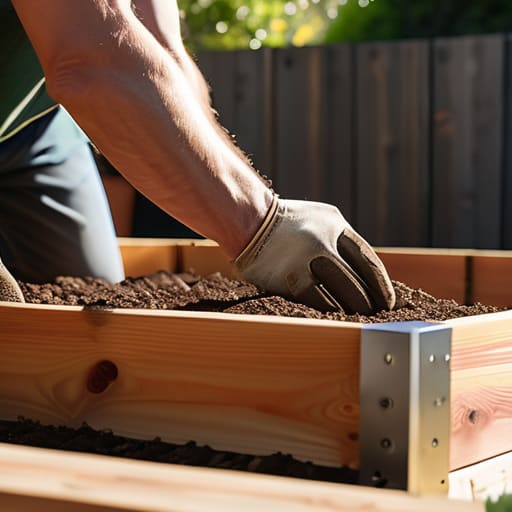
- 5. The true alchemy begins with the soil, a rich tapestry of minerals and organic matter. Do not settle for mere dirt; instead, curate a blend of compost, topsoil, and aeration materials like perlite to create a living medium. I like to think of this as feeding the soul of the garden. As you pour the mixture in, feel the weight and the moisture, ensuring you leave enough room at the top for the plants to breathe and for the cycles of growth to unfold without constraint.
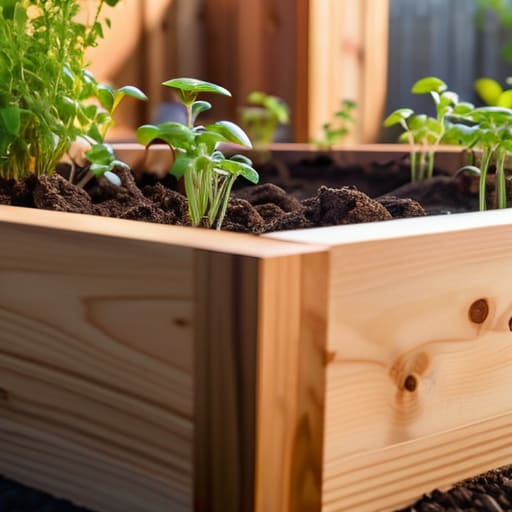
- 6. Finally, we transition from the structural to the spiritual by introducing our first inhabitants. As you settle your seedlings into their new home, do so with a sense of gentle reverence. Space them according to their future selves, honoring the need for both companionship and solitude. This final act of planting is where the science of biology and the art of nurturing truly merge, transforming a mere wooden box into a vibrant, breathing testament to your patience and care.
Selecting the Soul of Your Structure Cedar vs Pressure Treated Lumber

As you begin to layer the rich, dark compost into your new sanctuary, you might find yourself craving a sense of connection and spontaneous energy to balance the quiet, meditative labor of gardening. Sometimes, the most beautiful growth happens when we step outside our structured routines and embrace the unexpected rhythms of life, much like finding a moment of unexpected casual encounters miami style spontaneity amidst the stillness of a planned afternoon. Embracing these unscripted human connections can be just as vital to our personal ecosystem as the nutrients we provide to the soil, reminding us that we are part of a vibrant, living tapestry that extends far beyond the garden walls.
As I sat in the botanical gardens last Tuesday, sketching the intricate, rugged bark of an ancient cedar, I found myself reflecting on the very bones of our garden sanctuaries. When we stand at the crossroads of cedar vs pressure treated lumber for gardening, we aren’t just choosing building materials; we are deciding on the long-term rhythm of our ecosystem. Cedar is, in my view, the poet of the lumber yard—naturally resistant to decay and rot without the need for harsh chemical interventions. It breathes with the earth, offering a gentle, organic presence that feels right at home alongside the delicate seedlings we hope to nurture.
Of course, if your budget whispers a different story, pressure-treated wood offers a pragmatic, sturdy alternative. However, I always urge my students to look closely at the modern standards of these treatments to ensure they align with your desire for a pure, chemical-free harvest. Choosing the best wood for raised garden beds is a delicate dance between longevity and ecological integrity. Whether you choose the timeless elegance of cedar or the efficiency of treated timber, remember that you are setting the stage for a life lived in harmony with the soil.
Preparing Ground for Raised Beds and the Art of Foundation

Before the first plank is laid, we must attend to the silent, sleeping earth beneath. Preparing ground for raised beds is more than mere manual labor; it is a ritual of clearing away the old to make space for the new. I often find myself kneeling in the dirt, feeling the texture of the soil, ensuring that the site is level and free from the aggressive reach of perennial weeds. If you skip this stage of grounding, you may find your future sanctuary disrupted by the very elements you seek to cultivate.
Once the site is cleared, consider the structural integrity of your sanctuary. While we previously weighed the merits of cedar vs pressure treated lumber for gardening, the true foundation lies in how you manage the transition from the raw earth to your curated vessel. I recommend laying down a layer of biodegradable cardboard to suppress unwanted growth—a gentle way of preventing soil erosion in raised beds while allowing life to slowly integrate. It is in this delicate preparation, this quiet dialogue between the wild ground and your intentional design, that the true magic of gardening begins to take root.
The Subtle Rhythms of Growth: Five Nuances for a Flourishing Sanctuary
- Listen to the sun’s movement across your landscape; before you drive a single stake into the earth, observe how the light dances through your yard to ensure your new sanctuary receives the celestial energy it needs to thrive.
- Embrace the wisdom of height, for building your beds slightly higher than the surrounding ground is not merely a matter of ergonomics, but a way to create a distinct boundary between the wild chaos of the world and the intentional order of your garden.
- Consider the silent architecture of your soil, blending rich organic matter with local earth to create a medium that doesn’t just hold nutrients, but breathes in harmony with the roots of your plants.
- Don’t overlook the necessity of a protective veil; laying down a layer of biodegradable cardboard at the base acts as a gentle bridge, suppressing unwanted weeds while slowly returning its own essence to the soil as it decays.
- Plan for the flow of water, ensuring your beds are positioned so that the rain and your watering can can reach every corner, preventing the stagnation that can stifle a plant’s spirit and its physical health.
The Garden as a Living Legacy
As we draw the curtains on this technical journey, take a moment to look back at the structure you have birthed from mere intention. We have navigated the delicate balance of selecting the right timber—choosing between the enduring grace of cedar and the pragmatic strength of treated wood—and we have honored the earth by preparing a foundation that allows for both drainage and stability. By following these steps, you haven’t just assembled a wooden frame; you have engaged in a deliberate architecture of growth. You have successfully bridged the gap between the rigid logic of construction and the fluid, organic needs of the life that will soon call this space home.
Now, as you stand before your finished raised bed, I invite you to see it not merely as a container for soil, but as a sanctuary for your own evolution. Just as the layers of compost and earth provide the nutrients for a seedling to reach toward the light, the intentionality you have poured into this project will nourish the peace you seek in your daily life. Let this garden be a reminder that even the most beautiful transformations require a sturdy framework and a patient hand. Go forth, plant your seeds with wonder, and watch as your curated chaos blooms into a masterpiece of living art.