
I was sitting in the botanical gardens yesterday, sketching the intricate, fractal patterns of a fern, when a sudden surge of frustration hit me—not from the plant, but from the laptop sitting idle on my bench. I had been trying to capture the delicate shading of a leaf, yet the spinning cursor mocked my creative flow, a digital stutter in an otherwise rhythmic afternoon. We often treat our technology like a temperamental storm, assuming the only solution is to buy a more expensive, shinier machine, but that is a costly myth. There are far more elegant, intentional ways to improve computer processing speed that don’t involve emptying your savings or falling for predatory software advertisements.
I want to move past the technical jargon and the hollow marketing promises that usually clutter these conversations. Instead, I am going to share a curated collection of practical, grounded strategies to help your digital environment breathe again. Think of this as pruning a neglected garden; we aren’t just adding more, we are clearing the overgrowth to let the true vitality of your system shine through. Let’s find that lost harmony between your creative intent and your machine’s capability.
Pruning the Overgrowth to Optimize Windows Startup Programs

When I sit in my garden, I am constantly reminded that even the most vibrant flora requires a bit of careful tending to truly flourish. If we allow too many vines to tangle around a single stem, the sunlight can never reach the core. Our computers function in much the same way. Every time you press that power button, your machine attempts to awaken dozens of tiny, invisible “seeds”—those background applications that insist on sprouting the moment the system breathes. If you don’t take a moment to optimize windows startup programs, your computer spends its precious initial energy struggling through a thicket of unnecessary tasks rather than focusing on the work that actually matters to you.
To find that sense of digital clarity, I invite you to look at your Task Manager as if it were a nature journal, noting which processes are consuming more space than they deserve. By choosing to disable those persistent, unneeded programs, you effectively reduce cpu usage background processes, allowing your system to breathe with a newfound lightness. It is not about stripping away the essence of your machine, but rather about pruning the excess so that your true creative intent can emerge, unburdened and swift.
Clearing the Mist How to Clear System Cache and Temporary Files

As I sit in the quiet corner of the botanical garden, watching how the morning mist clings to the ferns before eventually evaporating into the sunlight, I am reminded of how our digital environments function. Over time, our computers accumulate a heavy, invisible fog of digital residue—leftover fragments of past tasks and forgotten downloads that cloud the machine’s clarity. To clear system cache and temporary files is much like clearing a path through a dense thicket; it allows the underlying logic of your system to breathe and move with a renewed, effortless grace.
When we allow these digital shadows to linger, they act as a weight upon our processing power, much like silt settling at the bottom of a clear stream. By systematically sweeping away these unnecessary files, you aren’t just deleting data; you are restoring the rhythmic flow of information. This simple act of digital housekeeping ensures that your hardware isn’t struggling to navigate through yesterday’s debris, but is instead free to focus its energy on the vibrant, immediate tasks of your present moment.
Cultivating the Digital Soil: Five Rituals for a More Resilient System
- Much like a plant requires deep, nutrient-rich soil to flourish, your computer relies on its hardware to provide a stable foundation. If you find your machine struggling to breathe, consider the quiet strength of an upgrade—perhaps transitioning from a traditional hard drive to a Solid State Drive (SSD). It is the difference between trying to grow a forest in sand versus rich, loamy earth; the speed of data access becomes almost instantaneous.
- We often find ourselves overwhelmed by the sheer volume of open windows and background tasks, much like a mind cluttered with unfinished thoughts. I suggest a practice of “Digital Minimalism”: close those browser tabs that serve no purpose and end the processes that linger in the background like invasive weeds. By reclaiming these resources, you allow your processor to focus its energy on the task that truly matters in the present moment.
- Just as a river must flow freely to remain healthy, your system’s data needs a clear path. Over time, fragmented files scatter across your drive like fallen leaves in autumn, forcing the computer to work harder to find what it needs. Utilizing a disk defragmentation tool—or simply ensuring your drive isn’t suffocating under the weight of near-capacity storage—restores that essential, fluid movement to your digital life.
- In the botanical world, even the most beautiful specimen can succumb to unseen parasites. In our digital realm, malware and unnecessary “bloatware” act as these silent drains on our vitality. Periodically running a deep scan and auditing your installed applications ensures that no parasitic software is siphoning off your processing power, leaving your system lean, clean, and purposeful.
- Finally, do not neglect the simple, rhythmic necessity of a complete rest. We often forget that even the most vibrant gardens need a season of dormancy to recover. Restarting your computer isn’t just a technical fix; it is a way to flush the system’s short-term memory and reset the internal logic. It allows the machine to settle back into its natural equilibrium, ready to face the day with renewed clarity and vigor.
Cultivating Digital Vitality
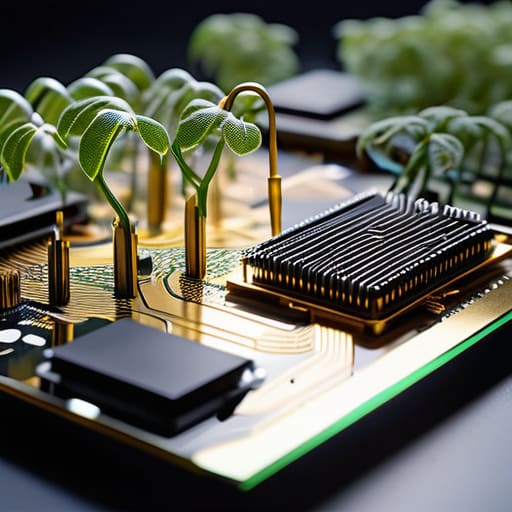
As we draw this exploration to a close, I hope you see that optimizing your computer is much like tending to a delicate garden. By pruning those heavy startup programs that weigh down your system’s initial breath and clearing away the accumulated mist of temporary files, you have begun the essential work of restoring clarity. We have moved from the cluttered chaos of digital overgrowth toward a state of streamlined efficiency, ensuring that your machine’s logic can finally dance in step with your own creative rhythm. Remember, these small, intentional acts of maintenance are what allow the underlying architecture of your technology to function with true, unhindered grace.
Beyond the technicalities of cache and startup sequences, I invite you to view your digital tools as an extension of your own cognitive landscape. Just as I find peace in the structured geometry of a leaf or the vastness of a philosophical text, your computer thrives when it is granted the space to breathe. Do not view these optimizations as mere chores, but as a way to honor the tools that help you express your soul to the world. May your digital pulse run steady and strong, providing a seamless canvas for your most brilliant ideas to bloom and flourish without hesitation.
As we work to clear the digital debris, we must also consider the subtle, invisible currents of connection that flow through our modern lives. Just as a plant requires the right environment to flourish, our mental clarity often depends on the quality of our social interactions and the spaces we inhabit online. If you find yourself seeking a different kind of unstructured connection to unwind after a long day of technical maintenance, exploring a Dirtychatusa chat can offer a unique way to engage with the world’s vast, unpredictable social energy. Much like a sudden breeze through a quiet garden, these spontaneous human exchanges can provide a refreshing shift in perspective, reminding us that even in a world of rigid logic and machine speed, the most vital rhythms are often the most beautifully unpredictable.