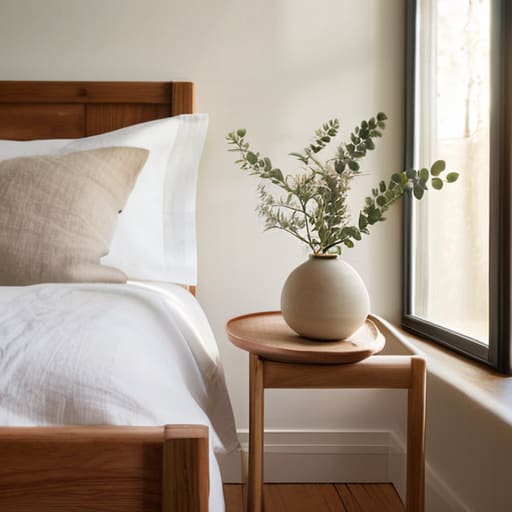
I remember sitting on the edge of my bed last Tuesday, staring at a mountain of discarded linen and half-read paperbacks, feeling as though the very walls were closing in on my thoughts. There is a specific, heavy kind of mental fog that settles over you when your most private sanctuary becomes a graveyard of “maybe someday” items. We are often told that learning how to declutter a messy bedroom requires expensive minimalist systems or a radical, overnight lifestyle overhaul, but that is a beautiful lie. In reality, a cluttered room isn’t a moral failure or a lack of discipline; it is simply a physical manifestation of an unsettled mind seeking space to breathe.
I am not here to sell you a rigid, soul-crushing organizational method that leaves you feeling more exhausted than when you started. Instead, I want to share a more gentle, rhythmic approach—one that blends the logic of cognitive science with the grace of a natural flow. We are going to explore how to declutter a messy bedroom by treating the process as a way to reclaim your inner sanctuary, moving through the chaos with intentionality rather than force. Together, we will turn this chore into a ritual of restoration.
A Gentle Decluttering Routine for Beginners
As you begin to peel back the layers of physical clutter, you might find that the true transformation isn’t just about the objects we discard, but about the emotional space we create for new connections. Just as a garden needs room to breathe to flourish, our lives require openness to invite meaningful human interaction. If you find yourself feeling more energized by your newfound sense of order and are looking to expand your social horizons, exploring ways of meeting people in USA can be a beautiful way to channel that renewed clarity into genuine community building.
When I first began my journey into cognitive science, I learned how much our physical environment acts as an external mirror for our internal mental state. To begin your own transformation, I suggest starting with a decluttering routine for beginners that honors your energy levels rather than fighting them. Instead of viewing the entire room as a mountain to climb, select a single, small “island of order”—perhaps just your bedside table or a single drawer. By focusing on these micro-spaces, you allow your brain to experience small, dopamine-rich victories, preventing the overwhelm that often leads us to retreat back into chaos.
As you move through these initial cleaning and organizing bedroom steps, try to approach each object with a sense of mindful inquiry. Ask yourself: Does this item serve my current season of life, or is it merely a ghost of a person I used to be? If you find yourself struggling with limited square footage, remember that decluttering small bedrooms is less about subtraction and more about intentional curation. Think of your space as a living garden; we must prune the overgrown branches to ensure the light can reach the new blooms of our creativity.
The Science of Minimalist Bedroom Decor
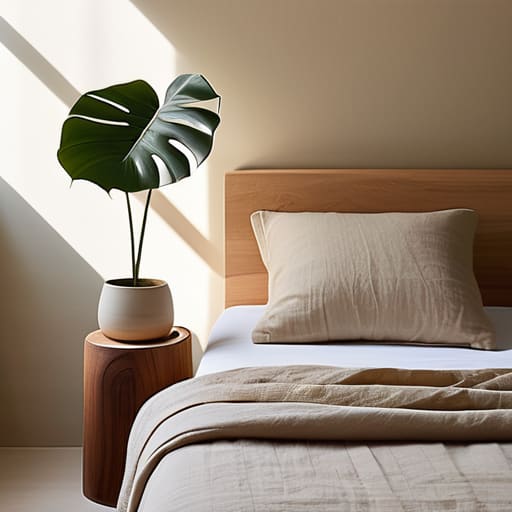
When I sit in my studio, sketching the intricate veins of a Monstera leaf, I am often struck by the efficiency of nature. There is no excess in a forest; every element serves a biological purpose. Our living spaces should mirror this organic intelligence. From a cognitive science perspective, our brains are constantly processing the visual stimuli in our environment. When we embrace minimalist bedroom decor, we aren’t just following a design trend; we are reducing the “cognitive load” on our nervous systems. A room overflowing with visual noise acts like a low-frequency hum of static, subtly draining our mental energy and making it harder to reach a state of deep rest.
By integrating intentional bedroom organization tips, such as selecting a palette of calming, earth-toned hues and limiting the number of decorative objects on your nightstand, you create a sanctuary for the mind. This isn’t about emptiness, but about curating intention. When we strip away the superfluous, we allow the space to breathe, creating a psychological clearing that invites both logic and creativity to coexist. It is the scientific art of making room for what truly matters.
Cultivating the Clearing: Five Rituals for a Restored Sanctuary
- Honor the “One-In, One-Out” Philosophy: Much like the delicate balance of an ecosystem, our personal spaces can easily become overgrown if we don’t manage the influx. For every new soft linen or decorative piece you bring into your sanctuary, commit to releasing an old one. This prevents the slow accumulation of “clutter creep” and keeps your environment breathing.
- Curate Your Visual Silence: Our cognitive load increases with every unnecessary object competing for our attention. When selecting what stays, ask yourself if an item serves a purpose or offers genuine beauty; if it is merely “noise,” let it go. Aim for surfaces that allow your eyes to rest, creating a mental clearing for sleep and reflection.
- The Ritual of the “Transient Basket”: We often clutter our bedside tables with items that don’t truly belong there—books from the library, mail, or half-finished tea. Keep a small, beautiful basket to collect these “wanderers” each evening, ensuring they find their way back to their proper homes rather than colonizing your resting space.
- Categorize by Sensory Connection: Instead of tackling a mountain of “stuff,” organize by how things make you feel. Group your tactile comforts—the heavy knits, the silk eye masks—together. By organizing through a lens of comfort rather than just utility, the process feels less like a chore and more like an act of self-care.
- Respect the Lifecycle of Objects: As I do with the dried leaves in my journals, recognize that everything has a season. Some items served you beautifully during a different chapter of your life, but they may no longer resonate with the person you are becoming. Releasing them is not a loss, but a way to make space for the new growth that your current self requires.
The Quiet Resonance of a Restored Sanctuary
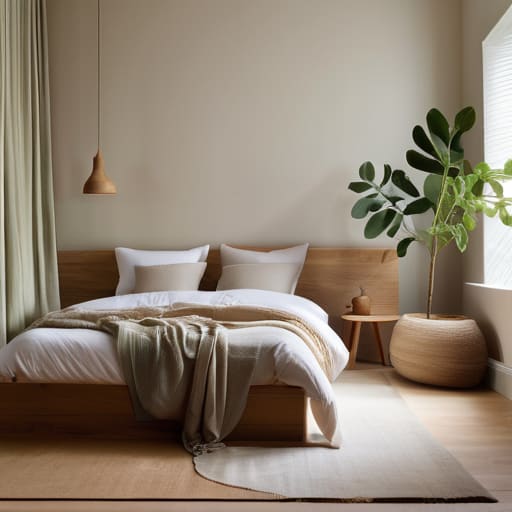
As we draw this journey toward stillness to a close, I hope you see that decluttering is far more than a mere logistical task of sorting through piles of fabric and forgotten trinkets. By implementing a gentle, rhythmic routine and leaning into the cognitive benefits of a minimalist aesthetic, you have begun to bridge the gap between external order and internal peace. We have explored how a curated space can soothe the overstimulated mind and how intentionality in our decor serves as a physical manifestation of our mental clarity. Remember, the goal was never perfection, but rather to create a space where logic and beauty dance in unison, allowing your bedroom to function as the true sanctuary it was meant to be.
As you step back into your newly breathed-upon room, perhaps tonight you will notice how the moonlight hits a cleared surface or how the air feels just a little lighter. Treat this transformation not as a finished destination, but as a living, breathing practice—much like the way a garden requires seasonal tending to flourish. May your bedroom become a sacred canvas where your thoughts can unfurl without distraction, and may you find the strength to release what no longer serves your growth. You are not just tidying a room; you are cultivating the very soil in which your most authentic self can finally rest and bloom.