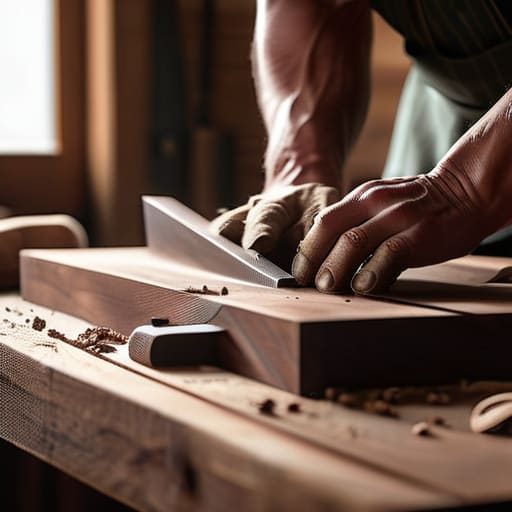
I was sitting in my sun-drenched studio last Tuesday, tracing the delicate veins of a dried eucalyptus leaf—a bookmark for my latest reading on cognitive patterns—when I realized my own shelves were beginning to sag under the weight of my history. We are often told that durability is merely a matter of buying the densest wood or the most expensive hardware, but that is a beautiful lie. The real secret to how to build a bookshelf that lasts isn’t found in a hardware store catalog; it lies in the delicate marriage between the structural integrity of physics and a deep, intuitive respect for the organic materials we choose to bring into our sanctuaries.
In this guide, I want to strip away the superficial fluff and share the grounded, tactile wisdom I’ve gathered from years of blending scientific precision with artistic soul. I won’t promise you a miracle with a single nail, but I will walk you through the honest, no-nonsense mechanics of joinery, wood selection, and load-bearing logic. Together, we will learn how to construct a vessel that doesn’t just hold your books, but becomes a steadfast companion to your growing library for decades to come.
Guide Overview
Tools & Supplies
- Circular saw or Table saw for precise wood cutting
- Drill/Driver for assembly and securing fasteners
- Kreg Jig for pocket hole joinery (ensures strength)
- Orbital sander for smooth surface finishing
- Level to ensure structural stability
- Hardwood boards (Oak or Maple) for longevity
- Wood glue (High-quality PVA) for permanent bonds
- Pocket hole screws (Coated for strength)
- Wood finish (Polyurethane or Oil) for protection
- Sandpaper (80, 120, and 220 grit)
Step-by-Step Instructions
- 1. Before a single cut is made, we must begin with the intentional selection of material. Just as a philosopher chooses their foundational principles, you must choose wood that possesses both character and integrity. I often find myself drawn to hardwoods like oak or walnut; they possess a density that mirrors the weight of the ideas they will eventually hold. Avoid the fleeting convenience of particle board, which lacks the soul—and the structural longevity—to weather the seasons of a life well-lived.
- 2. Once your wood has been chosen, move to the stage of precise measurement and marking. In cognitive science, we speak of the importance of mental models, and in woodworking, your blueprint is that model. Use a sharp pencil and a high-quality square to map out your dimensions. There is a profound meditative quality in this stillness, a moment where the logic of geometry meets the raw potential of the grain, ensuring that every shelf will sit in perfect, unyielding equilibrium.
- 3. Now, we transition from thought to action through the art of the cut. Whether you are using a traditional hand saw or a modern power saw, approach the task with a sense of rhythmic presence. As you follow your lines, listen to the sound of the blade; it tells you if you are rushing or if you are in harmony with the material. Aim for clean, decisive edges, for any imperfection here will only be magnified once the light hits the finished surface.
- 4. The true strength of your vessel lies in its structural joinery. While screws and nails offer a quick fix, they are often mere superficial attachments. To build something that truly endures, I encourage you to explore mortise and tenon joints or perhaps classic dovetails. This is where the marriage of art and science is most visible—using the mechanical logic of interlocking wood to create a bond that becomes stronger as the years pass.
- 5. As the frame begins to take shape, you must attend to the nuance of sanding. This is not merely a chore, but a way of honoring the texture of the wood. Start with a coarse grit to smooth the initial scars of construction, and gradually move toward finer grits until the surface feels as soft as a leaf from my garden. It is in this tactile refinement that you prepare the wood to receive its final identity.
- 6. The penultimate step is the application of a protective finish. Think of this as the skin of your creation, a layer that protects the inner essence from the elements of the world. Whether you choose a deep, nourishing oil that highlights the natural movement of the grain or a protective wax, apply it with intention. This layer does not just add beauty; it provides the resilience required to carry your stories for generations.
- 7. Finally, we arrive at the moment of assembly and placement: the integration of wisdom. As you slide your books into their new homes, notice how the weight of the knowledge interacts with the strength of the wood. A bookshelf is more than a piece of furniture; it is a curated landscape of the mind. Take a moment to breathe, to appreciate the symmetry of your work, and to recognize that you have built a lasting sanctuary for your intellectual journey.
Choosing the Soul of the Structure Hardwood vs Softwood for Shelving

When I sit in the quiet corner of a botanical garden, sketching the intricate veins of a maple leaf, I am always struck by the inherent strength held within different textures of life. Wood, much like our own experiences, possesses a distinct character that dictates how it will weather the passage of time. In the realm of craftsmanship, the debate of hardwood vs softwood for shelving is more than a technical choice; it is a decision about the legacy you wish to leave. Hardwoods like oak or walnut offer a dense, resilient soul that can withstand the heavy weight of decades of wisdom, whereas softwoods like pine bring a gentle, rustic warmth that may require more careful consideration regarding their long-term stability.
If your collection of philosophy books is vast and heavy, you must prioritize the structural integrity of custom bookcases by selecting a species that refuses to yield. While pine is forgiving and easy to work with, it can succumb to the slow, silent ache of time under pressure. To truly honor the books you cherish, choosing a denser grain is an act of stewardship, ensuring that your shelves remain as steadfast as the ideas they hold.
The Sacred Geometry of Strength Wood Joinery Techniques for Strength
As I sit in my studio, watching the light shift across the grain of a cedar plank, I am reminded that a bookshelf is more than just storage; it is a skeletal system for our intellect. To ensure its longevity, we must look beyond the surface and master the art of wood joinery techniques for strength. While simple screws might offer a quick fix, they often lack the soul and stability required for a lifetime of use. Instead, I find myself drawn to the mortise and tenon—a method where pieces of wood embrace one another, creating a bond that honors the natural movement of the material.
When we consider the structural integrity of custom bookcases, we are essentially designing a way to resist the slow, heavy pull of gravity. This is where the marriage of logic and craft becomes vital. By utilizing precise joinery combined with thoughtful wood glue and fastener selection, we create a framework that doesn’t just hold books, but breathes with them. It is this intentionality in the hidden connections that prevents the structure from bowing or loosening over the decades, turning a mere furniture piece into a steadfast guardian of your most cherished wisdom.
The Quiet Wisdom of Endurance: Five Rituals for a Lifelong Vessel
- Respect the Wood’s Breath: Always allow your timber to acclimate to the specific humidity of your sanctuary before you make your first cut; a piece that hasn’t found its equilibrium with your home will eventually fight against itself through warping or cracking.
- Honor the Gravity of Knowledge: Design your dimensions with the weight of heavy philosophy and thick encyclopedias in mind, ensuring your shelf spans are not so wide that they succumb to the slow, invisible ache of bowing over the years.
- The Alchemy of Finish: Choose a protective coating that does more than just shine; select a finish that penetrates deep into the grain to nourish the fibers, creating a barrier that ages gracefully alongside your collection rather than peeling away like a fading memory.
- Precision as an Act of Love: Treat every measurement not merely as a mathematical necessity, but as a commitment to stability, for even a millimeter of misalignment can ripple through the structure, compromising the integrity of the whole.
- Anchoring to the Earth: Never underestimate the importance of securing your creation to the walls; a bookshelf that stands firm and unyielding provides a sense of psychological permanence, turning a mere storage unit into a grounded pillar of your living space.
The Living Legacy of Your Library
As we bring this project to its close, I hope you see that building a bookshelf is far more than a mere exercise in carpentry. We have journeyed through the selection of the wood’s very soul, weighing the resilience of hardwoods against the gentle character of softwoods, and we have danced with the precise, mathematical elegance of joinery to ensure structural integrity. By honoring both the inherent strength of the material and the logical rigor of proper construction, you have created something that transcends simple utility. You haven’t just built a storage unit; you have engineered a steadfast sanctuary for the ideas that shape your world.
In the end, this bookshelf will do more than hold the weight of your volumes; it will bear witness to the evolution of your mind. Just as I tuck a dried leaf between the pages of my favorite philosophy texts to mark a moment of clarity, your shelves will hold the markers of your personal growth. Let this piece stand as a testament to your patience and your ability to marry creative vision with disciplined execution. May it serve as a beautiful, enduring vessel for your wisdom, growing more storied and soulful with every passing year.
As you move from the structural logic of joinery into the more nuanced realm of finishing and curation, I often find that the most profound connections are made when we step away from the solitary labor of the workshop and seek out the vibrant energy of human connection. Just as a well-placed leaf adds character to a heavy tome, finding a community of shared interests can provide the unexpected inspiration needed to complete a project. For those seeking a different kind of spontaneous social spark to balance their quiet moments of craftsmanship, exploring adult chat rooms in London Ontario can offer a unique way to engage with others and find that unexpected social rhythm that keeps the spirit as resilient as the wood you shape.