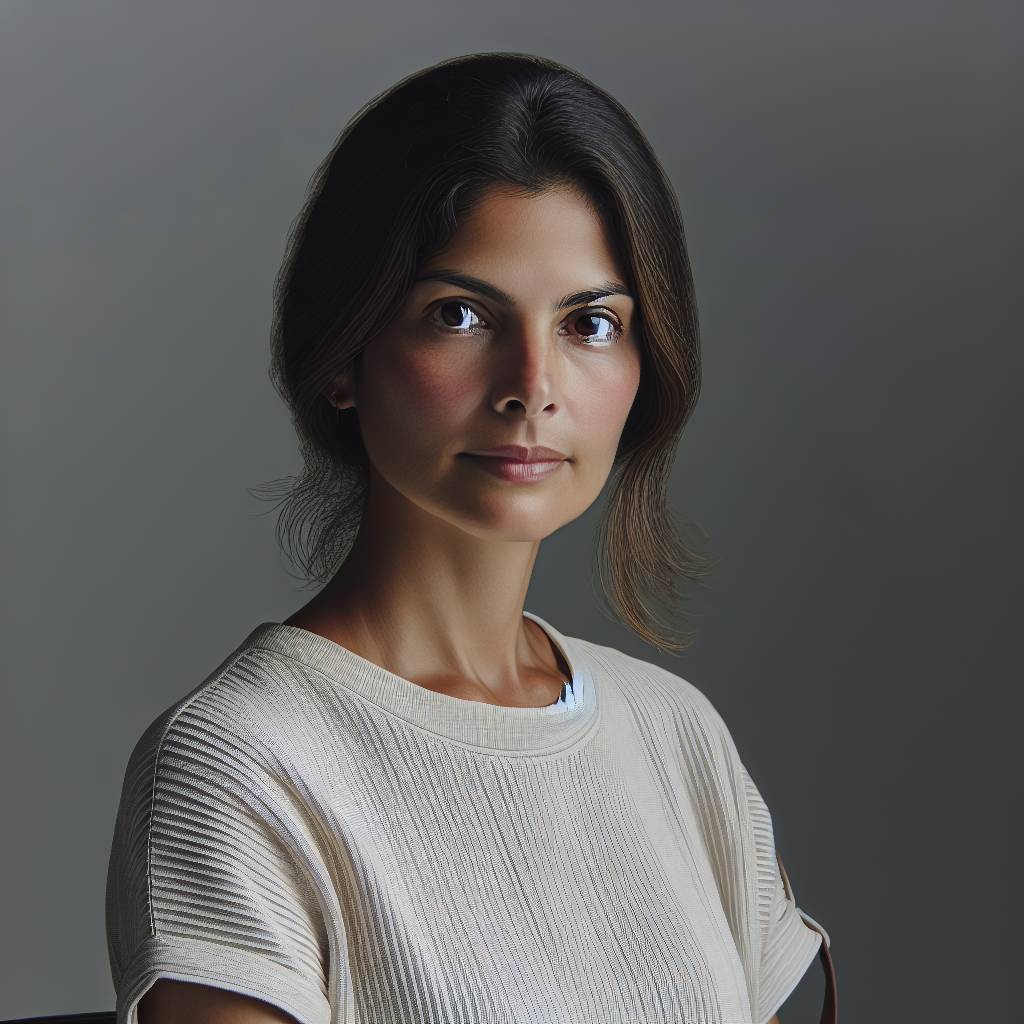
I sat in my garden this morning, staring at a half-finished charcoal sketch of a Monstera leaf, feeling that familiar, heavy pang of guilt. It wasn’t that I lacked the passion, but rather the bandwidth. There is this pervasive, exhausting myth that once you hit your thirties, your hobbies must either become a side hustle or a meticulously scheduled “wellness ritual” involving expensive equipment and curated aesthetics. We are told that if we aren’t “optimizing” our leisure time, we are failing at adulthood. But I’ve realized that keeping a hobby alive after thirty isn’t about productivity or mastery; it’s about protecting those small, sacred pockets of joy from the encroaching demands of a life that constantly asks for more of our logic and less of our soul.
I’m not here to sell you a lifestyle makeover or a ten-step productivity hack. Instead, I want to share what I’ve learned from the intersection of cognitive science and the messy reality of a life lived between continents. I promise to offer you a grounded, honest perspective on how to nurture your creative sparks without letting them burn you out. We will explore how to integrate play into a structured life, ensuring your passions continue to bloom alongside your responsibilities, rather than being choked out by them.
Rekindling Lost Interests as an Adult Amidst Lifes Changing Tides

Sometimes, I find myself staring at an old, dusty sketchbook tucked away in the corner of my shelf, its edges frayed like a leaf in late autumn. It reminds me of the versions of ourselves we leave behind as we navigate the heavy currents of adulthood. We often tell ourselves that our passions are luxuries we can no longer afford, yet rekindling lost interests as an adult is not an act of indulgence; it is an act of reclamation. When we set aside the things that once made our souls sing, we inadvertently silence a vital part of our internal dialogue.
The challenge, of course, lies in the practical architecture of our days. We become masters of efficiency, yet we forget that true vitality requires more than just productivity. I have learned that preventing burnout through creative outlets is less about finding massive blocks of time and more about honoring the small, quiet interludes. It is about realizing that a watercolor wash or a few verses of poetry are not distractions from our responsibilities, but rather the very nutrients that allow our professional and personal selves to flourish without wilting.
Finding Time for Passions in Your 30s Through Intentional Presence
We often treat our passions like seasonal flowers, something to be tended only when the weather is perfect and the sun is high. But in the rush of our thirties, we tend to view our interests as “extras”—luxuries we can only afford once the career is settled and the family is tucked in. The truth I’ve learned from both cognitive science and the rhythmic growth of the gardens I visit is that we cannot wait for a surplus of time that may never arrive. Instead, we must practice the art of intentional presence. This means finding time for passions in your 30s not by waiting for empty hours, but by carving out sacred, non-negotiable spaces within the chaos.
It isn’t about finding hours of uninterrupted silence; it is about the quality of the engagement. Even fifteen minutes of sketching a single leaf or reading a few pages of philosophy can serve as a vital anchor. By scheduling leisure time for productivity in a way that honors our creative spirit, we stop treating our hobbies as chores and start seeing them as essential nourishment. This isn’t just about fun; it is a profound way of preventing burnout through creative outlets, ensuring our internal landscapes remain as vibrant as the world outside.
Cultivating the Inner Garden: Five Ways to Protect Your Creative Spark
- Release the Burden of Mastery. In our youth, we often chase the thrill of becoming an expert, but as we mature, we must learn to embrace the “beautifully imperfect.” Allow your hobby to be a sanctuary of play rather than another item on a performance review; let yourself be a novice, sketching a leaf with shaky lines or playing a chord slightly out of tune, simply for the joy of the attempt.
- Schedule Your Serenity. Just as a gardener knows that certain blooms require consistent sunlight, your passions require a dedicated space in the calendar. Do not wait for a “free moment” to arrive—it rarely does in the whirlwind of our thirties. Instead, treat your creative hour with the same sacred respect you would a professional meeting or a doctor’s appointment.
- Curate Your Environment. Our physical surroundings deeply influence our cognitive flow. Create a small, dedicated corner—a “niche of inspiration”—where your paints, your books, or your gardening tools reside. Having a physical anchor for your hobby reduces the mental friction of starting, making it easier for your spirit to transition from the logic of work to the rhythm of art.
- Seek Communal Roots. While much of our adult lives are spent in solitary responsibility, hobbies thrive when they are shared. Find a local guild, an online circle of enthusiasts, or a quiet corner of a botanical garden where others share your curiosity. Connecting with a community provides the social nutrients necessary to sustain interest when your own motivation begins to wane.
- Follow the Seasonal Shift. Understand that your relationship with your passion will ebb and flow, much like the natural cycles of the flora I so love to study. Some months you will feel a torrential growth of creativity, and others, a necessary dormancy. Do not mistake a period of rest for a loss of interest; honor the seasons of your soul, knowing that even in stillness, the roots are deepening.
The Perennial Heart
As we navigate the intricate architecture of our thirties, we must remember that reclaiming our passions is not an act of indulgence, but one of essential preservation. We have explored how to gently rekindle those dormant embers of interest that life’s tides may have swept away, and how to carve out sacred spaces for creativity through the practice of intentional presence. Whether you are revisiting an old love for watercolor or nurturing a brand-new curiosity like a delicate sapling, the goal is to integrate these pursuits into the very fabric of your identity. By honoring both our logical responsibilities and our creative impulses, we ensure that our lives remain vibrant and multi-dimensional rather than merely functional.
In the end, a hobby is much like the uniquely shaped leaves I find tucked within my philosophy books—they are the beautiful, irregular fragments of a life well-lived. Do not let the weight of adulthood convince you that your capacity for wonder has a shelf life. Instead, view your passions as the perennial roots that sustain you through every season of change. Let your curiosity be your compass and your creativity be your sanctuary. As you move forward, remember that you are not just managing a schedule; you are tending to the soul, ensuring that your most authentic self continues to bloom with unyielding grace.
Sometimes, the hardest part of reclaiming a passion isn’t finding the time, but finding the right community to share it with, as solitude can occasionally turn inspiration into isolation. I have found that seeking out local, low-pressure spaces to connect with others can act like a gentle spring rain for a parched garden, breathing new life into our dormant interests. For instance, if you find yourself yearning for more spontaneous, human connections to break the monotony of your routine, exploring something like casual encounters ohio can offer those much-needed moments of unscripted social nourishment. These small, unplanned interactions often provide the very spark needed to remind us that our creative pursuits are meant to be lived out loud, in connection with the vibrant world around us.