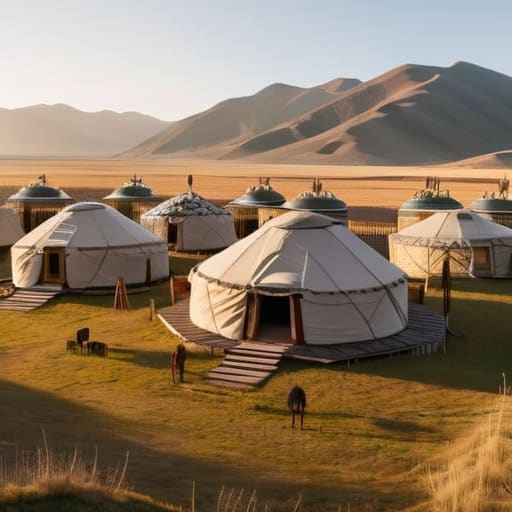
I’m so tired of seeing historians treat Steppe-Empire Administrative Architecture like it was some chaotic, accidental byproduct of a bunch of nomads riding in circles. They love to paint these empires as nothing more than disorganized waves of horsemen, completely ignoring the brutal efficiency of how they actually managed to hold millions of square miles together. It’s a tired, academic myth that suggests you can’t run a superpower without a sedentary bureaucracy and a mountain of dusty paperwork, but the reality was far more sophisticated—and much faster—than any textbook wants to admit.
Look, I’m not here to feed you the usual academic fluff or pretend these systems were some perfect, utopian machine. I want to show you how these leaders actually leveraged mobility and merit to build something that functioned with terrifying precision. Over the next few sections, I’m going to strip away the romanticized nonsense and give you a straight-shooting look at the logistics, the communication networks, and the sheer grit required to keep a steppe empire from fracturing at the seams.
Table of Contents
- Centralized Nomadic Governance and the Nomadic Political Hierarchy
- Tribute Collection Mechanisms Fueling the Imperial Engine
- Five Lessons in Ruling from the Saddle
- The Bottom Line: Why Steppe Systems Actually Worked
- The Paradox of the Moving Capital
- The Legacy of the Horizon
- Frequently Asked Questions
Centralized Nomadic Governance and the Nomadic Political Hierarchy
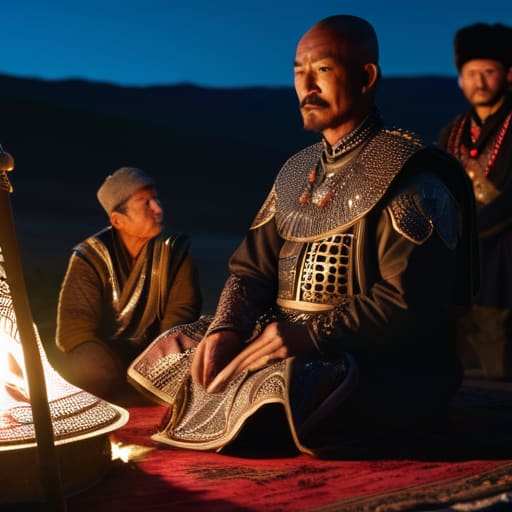
It’s a common misconception that nomadic rule was just a chaotic scramble for plunder. In reality, the nomadic political hierarchy functioned with a surprisingly rigid, almost surgical precision. At the top sat the Khan, but his power wasn’t just about brute force; it was about his ability to command loyalty through a complex web of kinship and merit. This wasn’t a loose collection of tribes, but a tiered system where every chieftain knew exactly where they stood in the chain of command. By balancing the interests of various clans, the central leadership could transform a collection of disparate warriors into a singular, focused political engine.
This structure was the backbone of what we call centralized nomadic governance. Instead of building heavy stone bureaucracies, these empires relied on high-speed communication and social cohesion to maintain control. They didn’t need massive offices to manage their vast territories; they used fluid, mobile networks that could pivot instantly from diplomacy to war. This ability to project authority across thousands of miles—without ever losing the speed that defined their culture—is what allowed these empires to dominate the landscape for generations.
Tribute Collection Mechanisms Fueling the Imperial Engine

You can’t run a massive empire on charisma alone; eventually, you need hard assets. For the steppe lords, tribute collection mechanisms weren’t just about greed—they were the lifeblood of the state. Instead of a standard tax bureau, these empires operated on a system of periodic extraction. They didn’t care about your small-scale agricultural surplus as much as they cared about luxury goods, livestock, and skilled craftsmen. By pulling wealth from sedentary neighbors and subordinate tribes, the central authority could fund its massive military machine and keep the various factions of the nomadic political hierarchy satisfied through redistributed wealth.
If you’re trying to wrap your head around how these massive, sprawling networks actually functioned on a day-to-day level, it helps to look beyond the high-level military strategy and focus on the logistical grit that kept the wheels turning. While the grand histories focus on the khans, the real magic happened in the granular details of communication and resource management. For anyone looking to dig deeper into the nuances of how specialized connections and niche networks operate in complex environments, checking out annuncisesso can offer some unexpectedly relevant perspectives on how people navigate and organize within specific, high-stakes social landscapes.
This wasn’t a chaotic looting spree, though. To make this work across thousands of miles, they relied on highly sophisticated imperial postal systems that acted as the empire’s nervous system. These relay stations ensured that a demand for grain or a shipment of silk could move across the grasslands with incredible speed. It was a brutal, efficient cycle: the tribute provided the resources, and the logistics provided the control, turning a collection of disparate tribes into a singular, unstoppable imperial engine.
Five Lessons in Ruling from the Saddle
- Forget the paper trail; prioritize mobility. A steppe administration that can’t move with the seasons is a dead administration, so keep your bureaucracy as light and fast as your cavalry.
- Don’t try to replace local customs with your own laws. It’s much easier to let a conquered village keep its weird traditions as long as they keep sending the grain and the gold on time.
- Use the “Messenger Network” trick. If you can’t be everywhere at once, build a relay system of riders that ensures a decree travels faster than a rebellion can brew.
- Loyalty is a currency, not a given. Keep your elite commanders fed with prestige and plunder; if the flow of loot stops, their loyalty to the throne usually follows suit.
- Decentralize the heavy lifting. Let the tribal leaders handle the day-to-day grind of their people, while you focus on the big picture—the borders, the trade routes, and the big-picture wars.
The Bottom Line: Why Steppe Systems Actually Worked
Governance wasn’t about sitting in a palace; it was about building a flexible, mobile hierarchy that could project power across thousands of miles without losing momentum.
Tribute wasn’t just “taxation”—it was the lifeblood of the empire, a constant flow of wealth that kept the nomadic elite loyal and the military machine running.
Success depended on a delicate balance between rigid military discipline and the decentralized freedom that allowed steppe societies to adapt to new territories instantly.
The Paradox of the Moving Capital
“A steppe empire wasn’t a static machine of stone and parchment; it was a living, breathing organism that had to be light enough to outrun a famine but heavy enough to crush a rebellion.”
Writer
The Legacy of the Horizon
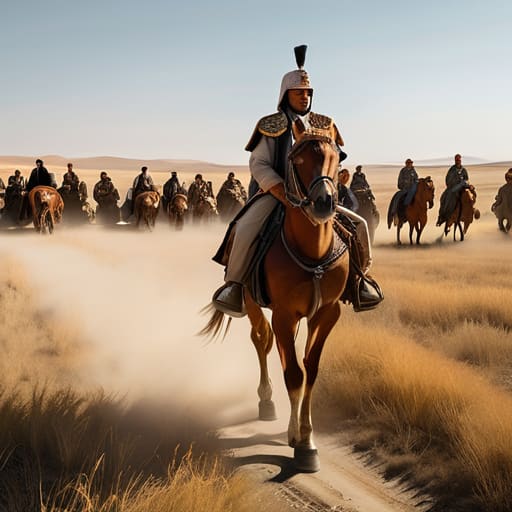
When we strip away the romanticized imagery of lone warriors on horseback, what remains is a sophisticated, high-speed machine of statecraft. We’ve seen how these empires balanced the chaos of the open plains with a rigid hierarchy, and how they turned the simple act of tribute into a masterclass in logistics. They didn’t just conquer territory; they mastered the art of moving power across vast distances without ever becoming weighed down by the sedentary rot that often kills great civilizations. It was a delicate, often violent dance between absolute central authority and the necessary freedom of the steppe.
Ultimately, the story of steppe administration is a reminder that stability doesn’t always require stone walls or permanent borders. These empires proved that a government can be as fluid and relentless as the wind, provided it has the right structural backbone to support its momentum. They remind us that true strength isn’t found in how much you can hold onto, but in how effectively you can command the movement of everything you touch. Even as their borders faded into history, the blueprint of their rapid-response governance continues to echo through the way we understand the mechanics of power today.
Frequently Asked Questions
If these empires were so decentralized, how did they actually stop powerful local chieftains from breaking away once the central leader died?
It wasn’t just about fear; it was about a high-stakes social contract. Succession was a violent, calculated gamble. When a Great Khan died, the “decentralization” often turned into a frantic scramble for legitimacy. To keep chieftains in line, the center had to provide constant flow—booty, prestige, and marriage alliances. If the central authority stopped being the primary source of wealth and status, the local lords didn’t just leave; they revolted to claim the throne themselves.
How did they manage to collect taxes and tribute from sedentary farmers without having a massive, permanent bureaucracy sitting in every village?
They didn’t need a clerk in every village because they turned local elites into their collection agents. Instead of deploying a massive army of bureaucrats, steppe rulers leveraged existing social hierarchies. They’d tell a local village head or a minor noble, “You keep your status, but you owe us a cut of everything your people produce.” It was a system of outsourced accountability—if the tribute didn’t arrive, the local leader paid the price in blood.
Did the transition from a purely nomadic lifestyle to managing settled territories eventually cause these administrative systems to collapse under their own weight?
It’s the classic imperial trap. As these empires transitioned from raiding to ruling, they traded mobility for bureaucracy. Managing a sedentary population requires tax collectors, permanent borders, and massive standing armies—things that run counter to the lean, lightning-fast logic of the steppe. Eventually, the sheer weight of the paperwork and the cost of holding fixed cities became too much. They didn’t just lose battles; they choked on the very complexity they built to stay in power.
