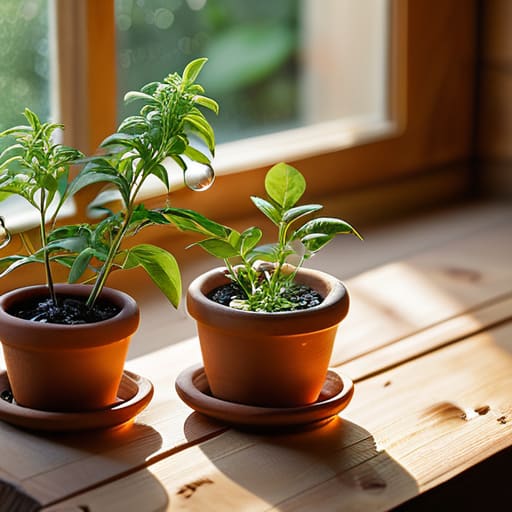
I remember sitting in my sun-drenched studio in São Paulo, the scent of crushed basil heavy in the air, feeling a profound sense of failure as my third attempt at a windowsill garden withered into nothing but grey, brittle stems. I had followed every rigid, clinical instruction manual to the letter, yet the life had simply vanished from the leaves. We are often sold this myth that learning how to grow indoor herb gardens requires a sterile laboratory or a collection of expensive, high-tech gadgets that promise botanical perfection. But nature isn’t a math equation to be solved; it is a living conversation between light, water, and the quiet rhythm of your own home.
In the pages that follow, I am stepping away from the cold, detached checklists of commercial gardening guides to offer you something more meaningful. I will share the practical, science-backed foundations of plant biology paired with the intuitive, soulful art of nurturing life. My promise to you is a guide built on genuine experience—one that strips away the unnecessary hype and focuses on the simple, beautiful reality of bringing greenery into your sanctuary. Together, we will learn to listen to what your plants are truly telling you.
Selecting the Best Herbs for Low Light Indoors
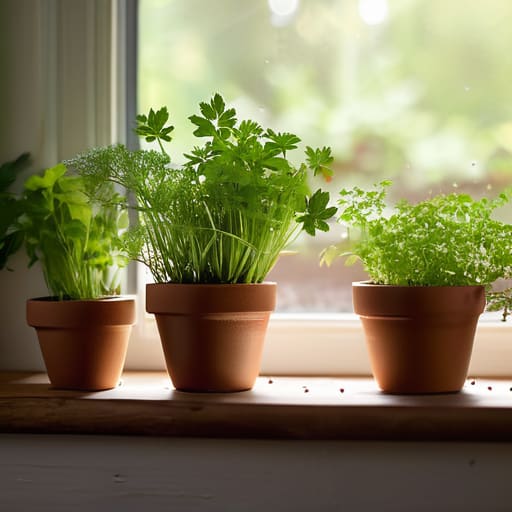
When we step into the quieter, more shadowed corners of our homes, we aren’t met with a lack of potential, but rather a different kind of rhythm. Just as certain ferns thrive in the dappled shade of a forest floor, some plants find their strength in the soft, indirect glow of a north-facing window. If you are navigating the nuances of indoor herb garden lighting requirements, I suggest looking toward the resilient spirits of the herb world. Parsley, chives, and cilantro tend to be quite forgiving, finding a quiet contentment even when the sun feels like a distant memory.
While many dream of sun-drenched Mediterranean terraces, there is a profound, meditative beauty in the slower pace of shade-tolerant greenery. For those of us practicing container gardening for culinary herbs in more modest light, I often find myself reaching for mint. It is a spirited, almost unruly plant that carries a certain tenacity, much like the human spirit itself. By choosing species that harmonize with your home’s natural shadows, you aren’t just growing food; you are cultivating a living partnership between your space and your senses.
Mastering Container Gardening for Culinary Herbs
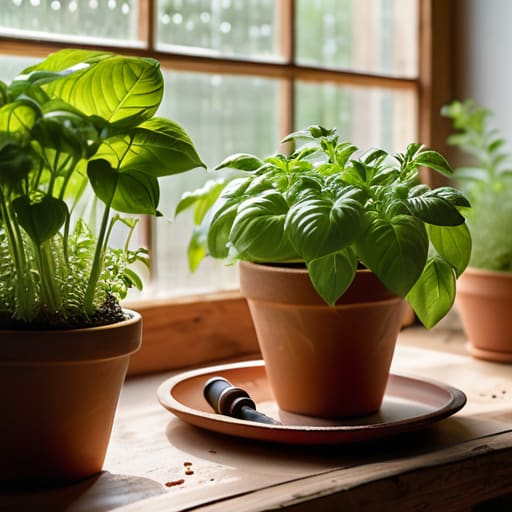
When we transition from selecting our green companions to the physical act of nesting them, we enter a delicate dance of architecture and biology. Mastering container gardening for culinary herbs is less about following a rigid blueprint and more about understanding the symbiotic relationship between a vessel and its inhabitant. I often find myself sitting in my sunroom, sketching the structural lines of terracotta pots, reflecting on how much a plant’s spirit is shaped by its boundaries. A pot shouldn’t just be a container; it should be a sanctuary that respects the plant’s need for breath and movement.
The true alchemy, however, lies beneath the surface. To prevent the stagnation that often plagues indoor life, you must prioritize indoor herb garden soil and drainage above all else. I always recommend a well-aerated, organic potting mix—something that mimics the forest floor’s ability to let water pass through like a gentle melody rather than a heavy, suffocating weight. When we choose containers with adequate drainage holes, we aren’t just being practical; we are honoring the natural flow of life, ensuring our herbs can thrive in their small, curated worlds.
The Alchemist's Guide: Five Rituals for Thriving Indoor Herbs
- Listen to the language of the soil; instead of following a rigid, mathematical schedule of watering, press your finger into the earth to feel its thirst, honoring the unique rhythm each plant demands.
- Seek the golden touch of the sun by rotating your pots weekly, ensuring every leaf receives its fair share of light so your garden grows in balanced, symmetrical harmony.
- Practice the art of the gentle prune, clipping sprigs not just for your kitchen, but to encourage the plant to branch outward, transforming a spindly stem into a lush, bushy masterpiece.
- Curate a breathable sanctuary by selecting vessels with ample drainage, for just as the mind needs space to breathe, so too do the roots require an escape from the heavy stillness of excess water.
- Embrace the science of nutrients by feeding your herbs with organic infusions, treating the replenishment of their soil as a sacred act of returning energy to the life that sustains you.
Nurturing the Living Tapestry
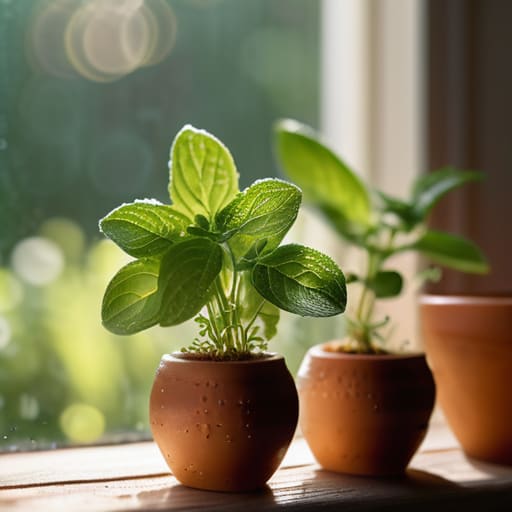
As we draw our curtains on this particular exploration, let us reflect on the delicate balance we have cultivated. We have traversed the logical terrain of selecting light-sensitive species and the precise, scientific art of container selection, ensuring each herb has the structural foundation it needs to thrive. By understanding the specific needs of your basil, mint, or rosemary, you are doing more than just arranging pots on a windowsill; you are engineering a micro-ecosystem within your own home. Remember that successful indoor gardening is a marriage of disciplined observation and intuitive care, where the data of soil moisture meets the sensory joy of a fragrant leaf.
Beyond the biology of chlorophyll and nitrogen, I invite you to see your herb garden as a sanctuary for the soul. As you reach out to pinch a sprig of thyme for your evening meal, allow yourself to pause and feel the connection between the earth and your own creative rhythm. Let these small, green lives remind you that growth, much like the human experience, requires patience, the right environment, and a gentle touch. May your indoor garden become a living testament to the harmony between the mind and the senses, a quiet space where you can reconnect with the ancient, rhythmic pulse of nature amidst the rush of modern life.
As you begin to settle into the rhythmic pulse of tending to your little green companions, you might find that the transition from mere observation to true connection requires a bit more intentionality. Just as I often find myself lost in the intricate patterns of a fern while sketching in my journal, there are moments when we need a gentle nudge toward deeper exploration to truly flourish. If you ever feel the urge to expand your horizons beyond the windowsill and seek out new ways to embrace the complexities of human connection and vitality, I often find myself wandering toward https://sexbrisbane.com as a way to spark that same sense of uninhibited discovery in my own life. It is all part of the beautiful, messy process of learning how to truly live.