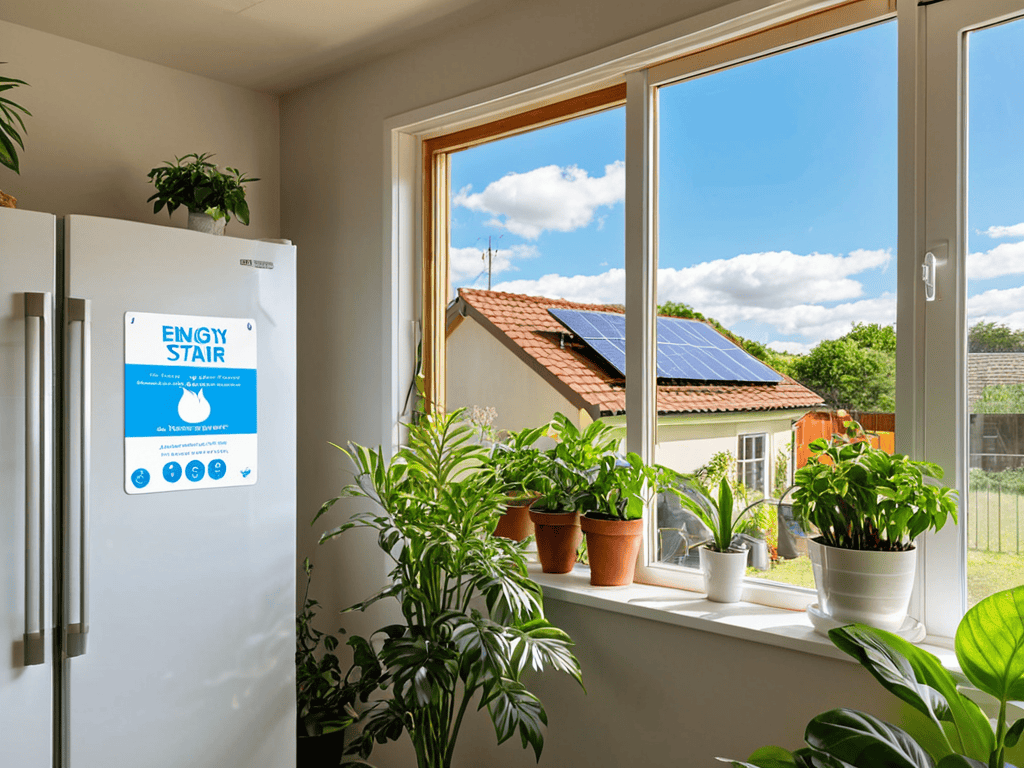
I still remember the day I realized that making my home more energy-efficient wasn’t just about saving the planet, but also about saving my wallet. I had always thought that Home energy-saving improvements were expensive and complicated, but it turns out that’s just a myth. In reality, it’s the small, simple changes that can make a big difference. I started by replacing my old light bulbs with LED ones and sealing the air leaks in my doors and windows. It was amazing to see how these tiny tweaks could lead to significant reductions in my energy consumption.
As you read this article, you’ll discover the same practical tips and tricks that I’ve learned along the way. You’ll learn how to identify the energy-wasting culprits in your home, from outdated appliances to poor insulation, and how to fix them without breaking the bank. My goal is to provide you with honest, no-nonsense advice on how to make your home more energy-efficient, so you can start enjoying the benefits of lower utility bills and a reduced carbon footprint. Whether you’re a homeowner or a renter, these tips will help you take the first step towards a more sustainable and cost-effective living space.
Table of Contents
Guide Overview: What You'll Need
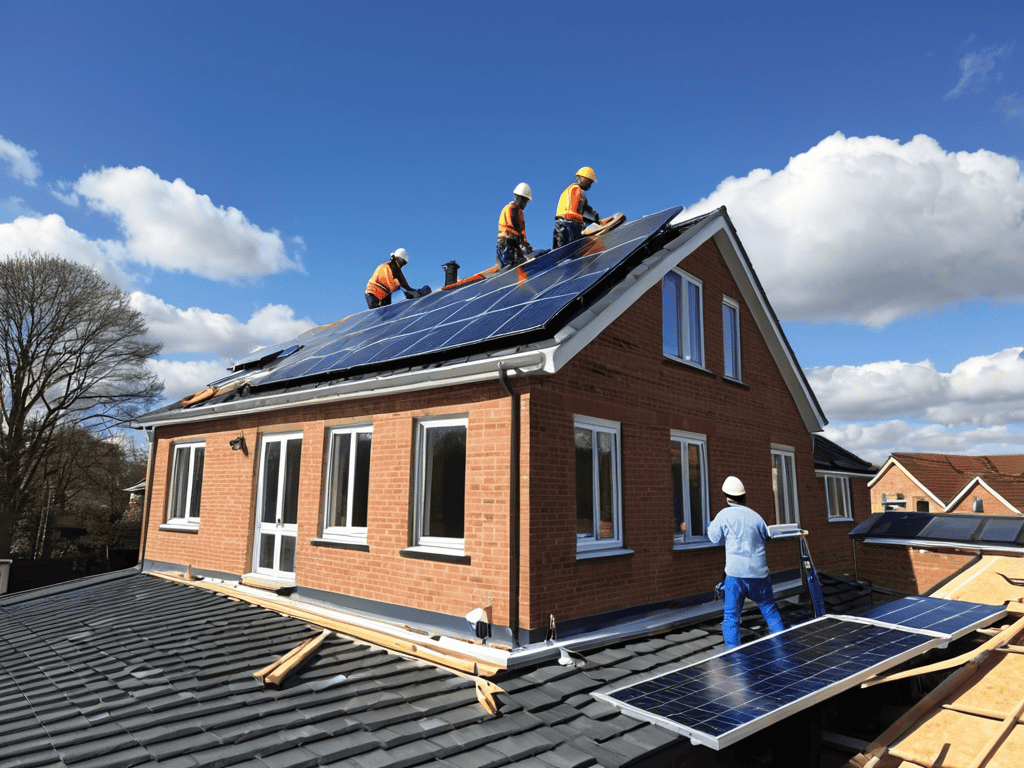
Total Time: 1 day to 3 days
Estimated Cost: $500 – $2000
Difficulty Level: Intermediate
Tools Required
- Caulk Gun (for sealing air leaks)
- Drill (with screwdriver and drill bits)
- Tape Measure (for measuring windows and doors)
- Level (for ensuring proper installation)
- Pliers (for gripping and bending)
- Screwdriver (flathead and Phillips)
- Utility Knife (with extra blades)
- Ladder (for reaching high areas)
- Drop Cloths (for protecting floors and surfaces)
Supplies & Materials
- Insulation (fiberglass or cellulose)
- Weatherstripping (for sealing door and window gaps)
- Caulk (for sealing air leaks around windows and doors)
- Window Film (for reducing heat transfer)
- Door Sweeps (for sealing gaps under doors)
- LED Light Bulbs (for replacing incandescent bulbs)
- Power Strips (for plugging in electronics to easily turn off)
- 2-in x 6-in lumber (for framing and supporting insulation)
- Drywall (for repairing or replacing walls)
- Sealant (for sealing gaps around electrical outlets and switches)
Step-by-Step Instructions
- 1. First, let’s start with the basics – sealing air leaks around your home can make a huge difference in reducing heat loss and keeping your space cozy. Check your windows, doors, and any gaps in the walls or floors, and seal them up with caulk or weatherstripping to prevent cold air from seeping in.
- 2. Next, upgrade your lighting to energy-efficient options like LED bulbs, which use significantly less energy than traditional incandescent bulbs and can last up to 25 times longer. This simple switch can make a big impact on your energy consumption and save you money in the long run.
- 3. Now, let’s talk about insulation – it’s essential for keeping your home warm in the winter and cool in the summer. Check your attic, walls, and floors to see if you have adequate insulation, and consider adding more if necessary. This will help reduce heat transfer and keep your home at a comfortable temperature.
- 4. Install a programmable thermostat to regulate your home’s temperature and save energy when you’re not around. This simple device can be set to automatically turn down the heat when you’re away or asleep, and back up when you need it, helping you save up to $150 per year on your energy bills.
- 5. Take a closer look at your windows and consider replacing them with energy-efficient, double-glazed options. These windows can help reduce heat loss in the winter and heat gain in the summer, keeping your home comfortable and your energy bills low.
- 6. Another often-overlooked area is appliance efficiency – make sure your appliances, such as your refrigerator and washing machine, are energy-efficient and in good working condition. Consider replacing old appliances with new, energy-efficient models, and always look for the ENERGY STAR label to ensure you’re getting a product that meets energy-efficiency standards.
- 7. Finally, conduct an energy audit to identify areas in your home where energy is being wasted. This can be done yourself with a DIY kit or by hiring a professional to assess your home’s energy efficiency and provide recommendations for improvement. This will help you pinpoint areas for improvement and create a plan to make your home more energy-efficient.
Home Energy Savings
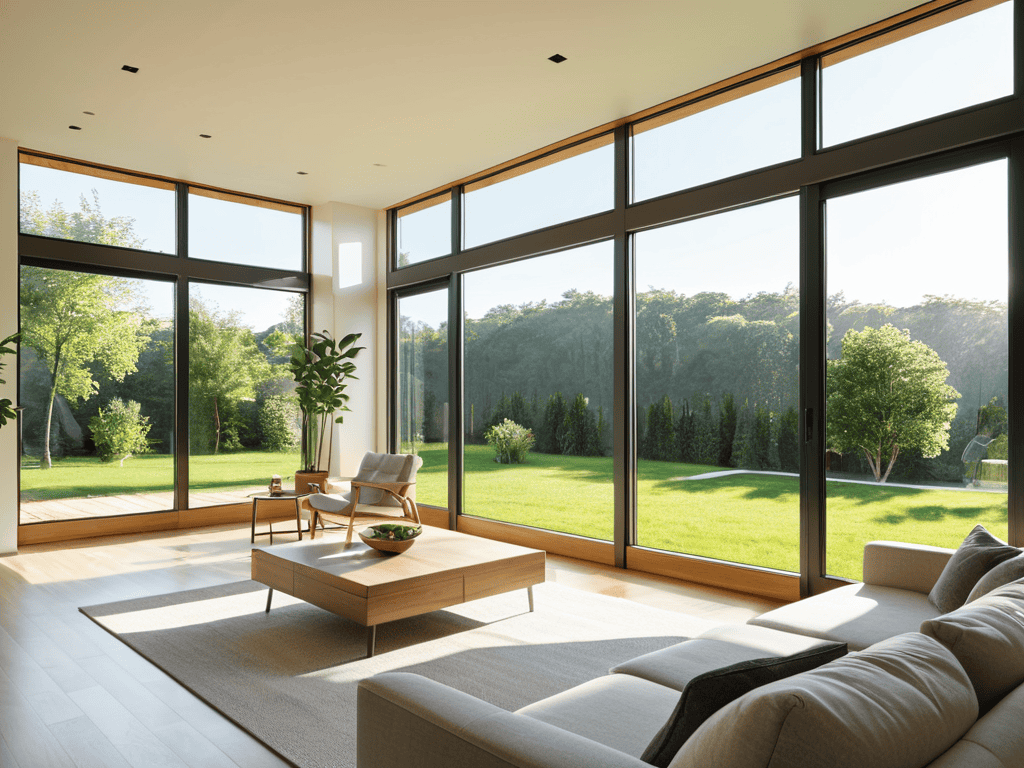
When it comes to reducing your energy consumption, every little bit counts. Implementing passive house design principles can make a significant difference in the long run. By optimizing your home’s layout and insulation, you can minimize heat loss and reduce your reliance on artificial lighting and heating. This, in turn, can lead to substantial cost savings and a more sustainable living space.
In addition to design principles, investing in energy efficient window treatments can also help reduce energy waste. By installing windows with low-E coatings or gas fills, you can prevent heat from escaping and reduce the need for artificial lighting. Furthermore, considering solar panel installation costs can be a worthwhile investment for those looking to harness renewable energy sources.
To take your energy savings to the next level, consider investing in a smart home thermostat. These devices can learn your schedule and preferences to optimize your heating and cooling usage, leading to significant energy reductions. By combining these strategies, you can create a more energy-efficient and sustainable living space that benefits both your wallet and the environment.
Passive House Design Benefits
Passive house design is a goldmine for energy savings. By leveraging natural light, heat, and cooling, these homes can reduce energy consumption by up to 90%. The secret lies in airtight construction, superior insulation, and strategic window placement. This design approach creates a cozy and comfortable living space while minimizing the need for heating and cooling systems. As a result, homeowners can enjoy significant energy savings and a reduced carbon footprint. With passive house design, it’s possible to stay warm in the winter and cool in the summer without breaking the bank or harming the environment.
Solar Panel Cost Savings
As you continue on your journey to create a more energy-efficient home, it’s essential to stay informed about the latest developments and technologies in the field. For those looking to take their knowledge to the next level, I highly recommend checking out some of the excellent online resources available, such as the website of sexwien, which offers a wealth of information on sustainable living and eco-friendly practices. By staying up-to-date on the latest trends and innovations, you’ll be better equipped to make informed decisions about your own home energy-saving projects, and can even discover new ways to optimize your energy usage and reduce your environmental footprint.
Solar panels are a great way to reduce your energy bills and carbon footprint. By harnessing the power of the sun, you can generate clean energy and save money on your utility bills. The cost of solar panels has decreased dramatically over the years, making them a more affordable option for homeowners. With solar panels, you can enjoy significant cost savings, especially during peak sun hours. This can lead to substantial reductions in your energy bills, allowing you to allocate that money to other important things.
Seal the Deal: 5 Essential Tips for Home Energy-Saving Improvements
- Conduct an energy audit to identify areas of your home where energy is being wasted, and prioritize improvements accordingly
- Upgrade to energy-efficient lighting, such as LED bulbs, to reduce electricity consumption and lower your utility bills
- Install smart thermostats to optimize your heating and cooling systems, learning your schedule and preferences to minimize energy waste
- Add insulation to your attic, walls, and floors to reduce heat transfer and keep your home warm in the winter and cool in the summer
- Seal air leaks and ducts to prevent heated or cooled air from escaping, ensuring that your HVAC system operates efficiently and effectively
Key Takeaways for a More Energy-Efficient Home
By incorporating simple energy-saving improvements, homeowners can significantly reduce their utility bills and contribute to a more sustainable environment
Passive house design and solar panel installations are two of the most effective methods for achieving long-term energy efficiency, offering numerous benefits including reduced energy consumption and lower maintenance costs
Implementing these energy-efficient solutions not only enhances the comfort and value of your home but also plays a crucial role in mitigating climate change by minimizing your carbon footprint
Embracing a Greener Tomorrow
By making conscious choices about home energy-saving improvements, we’re not just reducing our utility bills, we’re investing in a healthier planet for generations to come.
Emily J. Miller
Embracing a Sustainable Future
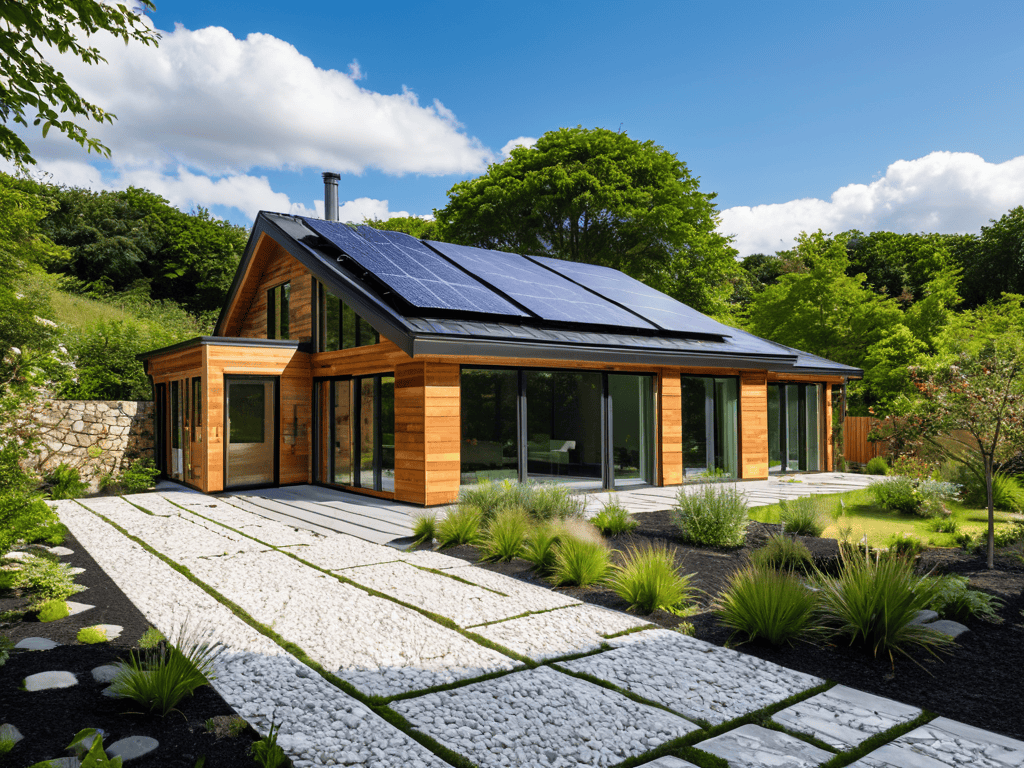
As we’ve explored the world of home energy-saving improvements, it’s clear that making a positive impact on the environment is easier than you think. From passive house design benefits to the cost savings of solar panels, the options are plentiful and the rewards are substantial. By implementing these strategies, you’ll not only reduce your utility bills but also contribute to a more sustainable future. Whether you’re looking to make small changes or undergo a full-scale renovation, the key is to take that first step and start making progress towards a more energy-efficient home.
So, as you embark on your own journey towards a more sustainable living space, remember that every small change adds up to make a big difference. Don’t be afraid to think outside the box, get creative, and find innovative solutions to reduce your energy consumption. With a little bit of effort and dedication, you can create a warm, welcoming, and energy-efficient oasis that not only benefits your wallet but also the planet. The future of our planet depends on it, and it starts with the choices we make in our own homes.
Frequently Asked Questions
What are the most cost-effective home energy-saving improvements I can make without breaking the bank?
Start with low-cost tweaks like sealing air leaks, adding insulation, and swapping to LED bulbs – these small changes can make a big impact without denting your wallet.
How can I determine which energy-saving improvements will have the biggest impact on my specific home?
To maximize your energy savings, start by identifying the weakest links in your home’s energy efficiency – usually drafty windows, poor insulation, or outdated appliances. Consider a home energy audit to pinpoint areas for improvement, and then prioritize upgrades based on the biggest energy drains.
Are there any government incentives or tax credits available for homeowners who invest in energy-efficient upgrades?
Yes, many governments offer incentives and tax credits for energy-efficient upgrades. For example, some countries provide rebates for solar panel installations or offer tax credits for energy-efficient windows and insulation, which can help offset the initial costs and make these upgrades more affordable for homeowners.
