
Did you know that about 70% of teens feel pressure from social media to look perfect? This shows how cultural changes affect how we see ourselves today. As the world gets smaller, old values are being questioned and changed. This mix of different cultures brings new ideas but also risks to our mental health.
I’m looking into how fast changes in culture shape our sense of self and our mental health. Culture is now a dynamic, connected web that can both inspire and test us. By studying these changes, I want to show how we find our place in a world of many cultures, the role of technology, and its effects on our minds.
Key Takeaways
- Cultural shifts are redefining identity in response to globalization.
- Digitalization plays a critical role in how we see ourselves and others.
- Global interactions can create both opportunities and challenges for mental health.
- Keeping cultural heritage alive is key in a world that’s becoming more alike.
- Understanding how society shapes our identity is important for growing as individuals.
The Impact of Globalization on Cultural Identity
Globalization is changing our cultural world. It’s making our world a big melting pot. This is thanks to better communication, connecting us all closer.
The Global Melting Pot
In today’s world, we meet many cultures. Globalization might make things seem the same everywhere. But, local traditions are also staying strong.
People are learning to mix their own culture with global influences. It’s a mix of old and new.
Culinary Cross-Pollination
Food shows us how globalization works. Different dishes are mixing, bringing new tastes. For example, California Rolls mix Japanese and American flavors.
This shows how food can bring cultures together. It’s a tasty example of globalization in action.
Preservation of Heritage
Even with change, keeping our heritage alive is key. Groups like UNESCO are working hard to save old traditions and places. They help keep our cultures rich and diverse.
Cultural Shifts and Identity Formation
Cultural shifts are key in shaping who we are, more so in multicultural societies. When different cultures mix, it creates a complex dance of norms. People struggle to find their place, feeling lost between old values and new ones.
Negotiating Identity in Multicultural Societies
In places with many cultures, people juggle their roots with the world around them. This mix is common in diverse communities. It’s a personal journey, influenced by family and friends.
Many find their own path, blending cultures in unique ways. This can be rewarding but also challenging. It’s about finding peace with many influences.
The Role of Digitalization
Digital tools like social media add to the mix. They offer a space for self-discovery but also set high standards. Seeing perfect lives online can make people feel bad about themselves.
Young people, in particular, face pressure to fit into a global image. This can hurt their self-esteem and mental health. It shows how digital spaces impact our identities.
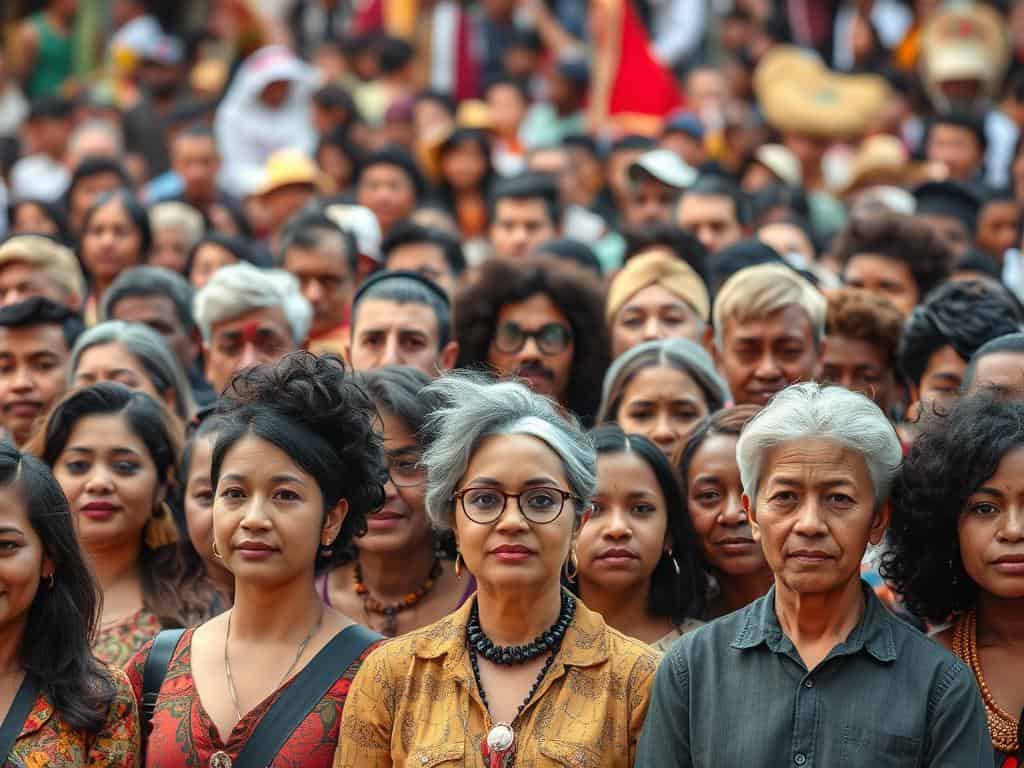
The Relationship Between Cultural Shifts and Mental Health
Cultural shifts have a big impact on our mental health. They can be good or bad. Seeing different cultures can teach us new ways to deal with stress.
Things like *mindfulness* and *meditation* come from different places. They help us handle stress and anxiety better. But, big changes can also make us feel alone and anxious.
Positive and Negative Impacts
Cultural views on health affect how we talk about mental health. For example, *refugees* and *migrants* face many challenges. They deal with income gaps and stigma, which hurt their well-being.
People from different cultures might show symptoms in different ways. They might not seek help until it’s too late. This makes their mental health journey harder.
Addressing Mental Health Stigma
Stigma around mental illness stops people from getting help. It’s worse in certain cultures. This makes people hide their problems until they get worse.
We need to fight this stigma with education and support. By talking openly and understanding each other, we can create a better place. A place where everyone feels welcome and supported.
Conclusion
Cultural shifts are changing our world, shaping who we are and our mental health. It’s important to understand how these changes affect our values. We must adapt to a world where old and new traditions meet.
The U.S. feminist movement and the rise of Western restaurants show how culture evolves slowly. This slow change shows we need a supportive space for these shifts. It helps us build societies that welcome everyone.
Looking ahead, we must grasp the details of cultural changes, like in education. This knowledge helps us support each other’s mental health and identity. It leads to a better world for all of us.
