
Did you know over 100 experts helped the United Nations Environment Programme (UNEP) create ten key goals for Green and Sustainable Chemistry? This shows we really need new ways to make chemicals that are good for our planet. Green Chemistry wants to cut down on harmful stuff and pollution, which are key in fighting climate change and saving resources.
As someone who cares about the environment, I see how important it is for us to use green practices in many areas. The UNEA made big steps forward in March 2022 with Resolution 5/7. This helps us work towards a better future by 2030, using clean technology. People from all walks of life are coming together to make our planet greener.
Green Chemistry can change big industries like building, farming, and making clothes. As we celebrate Earth Day, we remember the big steps we’ve taken for the environment in 50 years. It’s clear that Green Chemistry is not just a choice, but a must for a sustainable tomorrow.
Key Takeaways
- UNEP consulted over 100 experts to develop guiding objectives for Green and Sustainable Chemistry.
- Recent resolutions emphasize the importance of integrating sustainable practices across industries.
- Green Chemistry aims to minimize hazardous substances while maximizing efficiency.
- Collective efforts from various sectors are critical to advancing eco-friendly innovations.
- Green Chemistry promotes the use of renewable resources to combat environmental risks.
- Celebrating Earth Day reminds us of our ongoing commitment to sustainability over decades.
Understanding the Principles of Green Chemistry
The definition of green chemistry shows us how to make chemical processes safer and better for the environment. It aims to cut down or get rid of harmful substances in products and processes. This leads to the creation of safer chemical processes. At its heart, green chemistry is about sustainability, guiding us to use environmentally friendly practices from start to finish.
Definition and Overview
Learning about green chemistry helps us see its value in making safer options in many fields. It focuses on using fewer harmful substances, which is good for health and the planet. This method also reduces waste and encourages designing processes that make fewer harmful byproducts.
The 12 Principles of Green Chemistry
The 12 principles of green chemistry are key for guiding chemical research and use. They cover important strategies, like:
The principle of prevention says it’s better to stop waste before it starts. Using all materials in the final product is key.
Designing synthetic methods should be low in toxicity and use renewable resources when possible.
It’s important to use less energy in synthesis. Ideally, it should happen at normal temperature and pressure. Using catalytic reagents is more efficient than traditional methods.
Chemical products should break down safely at the end of their life. This makes them safer and less harmful to the environment.
Making chemical processes more energy-efficient is vital. A lot of energy is used in steps after the reaction. As I explore the principles of sustainability, it’s clear that changing how we do chemistry is good for the planet and our future.
How Green Chemistry Promotes Sustainability
Green chemistry changes how we make chemicals, helping the planet worldwide. It aims to lessen the harm chemicals cause to our environment. This method is key in fighting climate change and making ecosystems healthier.
Reducing Environmental Impact
Green chemistry’s main goal is to cut down on the bad effects of old chemical ways. I’ve seen how switching to water-based paints instead of solvent-based ones cuts down air pollution and health dangers. It makes our environment cleaner and safer by changing things at the molecular level.
Encouraging the Use of Renewable Resources
Using renewable resources is also key for a sustainable future. Green chemistry pushes for safer, more sustainable materials. This helps tackle climate change’s big challenges. Through efforts like those by the ACS Green Chemistry Institute, we see new ways to make our planet greener.
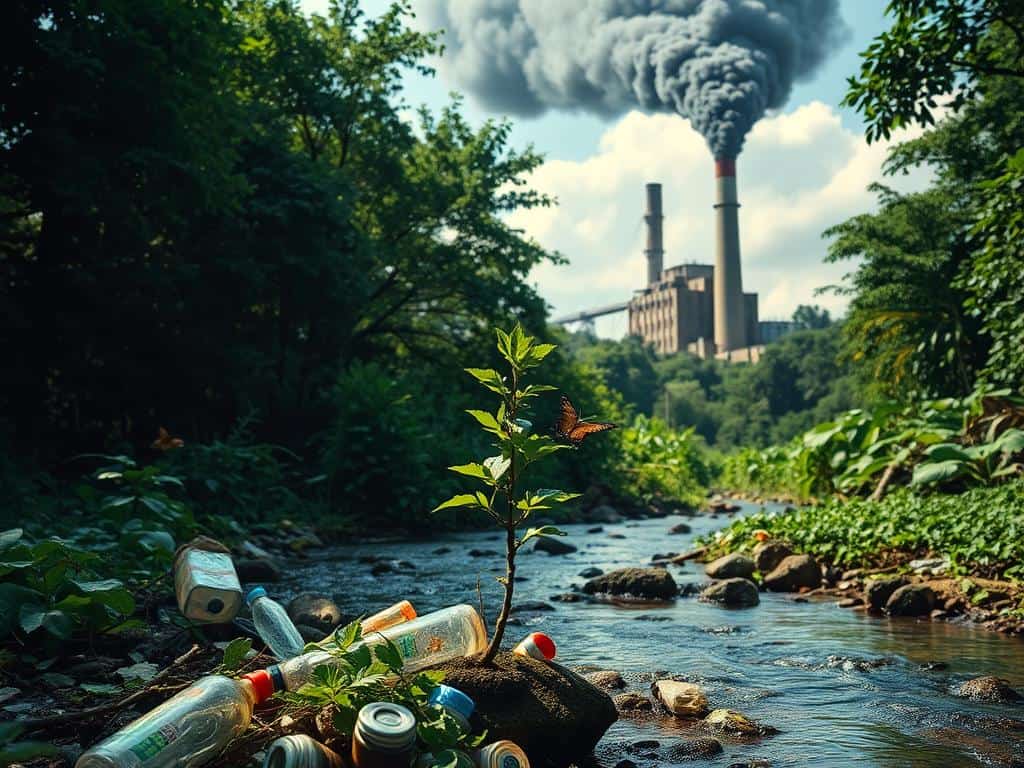
Green Chemistry in Practice: Real-World Applications
Green technology has changed many industries, making them more eco-friendly. Companies now use green chemistry to make their products safer. This means cleaner products that harm the environment less.
Let’s look at some examples of how green chemistry is making a difference.
Innovations in Industries
NatureWorks makes food containers from cornstarch, not petroleum. This is a big step away from old plastics. In the drug world, Professor Yi Tang found a safer way to make Zocor®.
Life Technologies has also made a big leap. Their new PCR method uses much less solvent and waste. This means they throw away 1.5 million pounds of harmful waste every year.
The Brewing Industry
The brewing world is going green too. Procter & Gamble and Cook Composites and Polymers made paints that are safer. Sherwin-Williams also made paints with fewer harmful chemicals.
From 2015 to 2019, green products grew much faster than old ones. A 2023 report from NYU Stern shows people want sustainable products more. This shows green chemistry is good for both the planet and businesses.
Conclusion
Embracing green chemistry is key to a sustainable future. It focuses on protecting the environment by reducing harm from traditional chemicals. This approach highlights the need to tackle problems at their root.
Green chemistry’s core, like atom economy and safer chemicals, guides industries. It ensures safety for people and the planet. By adopting these methods, we can cut down waste and toxicity, making processes more efficient and using renewable resources.
Working towards a greener world, green chemistry’s principles are essential. They help undo environmental harm and promote a healthier ecosystem. This path may be tough, but green chemistry is vital for a sustainable future.
