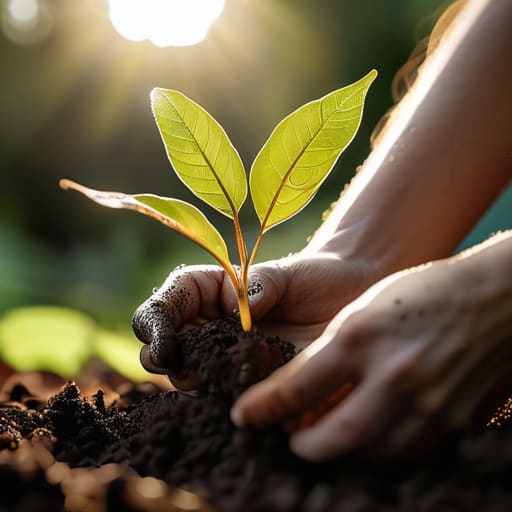
I remember sitting on the damp earth of a small community plot in São Paulo, my fingers stained a deep, stubborn ochre, feeling less like a “master gardener” and more like a confused student of the soil. There is a pervasive, almost clinical myth in modern lifestyle media that learning how to start a vegetable garden requires a mountain of expensive raised beds, specialized pH testing kits, and a pristine, designer aesthetic. They sell you the idea that gardening is a high-stakes performance of precision, but they often forget to mention the messy, beautiful chaos of actual growth.
I am not here to sell you a lifestyle brand or a complex blueprint that demands perfection. Instead, I want to offer you a bridge between the biological necessity of nourishment and the creative joy of cultivation. My promise to you is a grounded, experience-based guide that honors both the scientific rhythms of the seasons and the intuitive art of tending to life. We will strip away the commercial noise and focus on the essential, soulful steps of building your own living tapestry, one seed at a time.
Designing Your Canvas With Raised Bed Gardening Tips
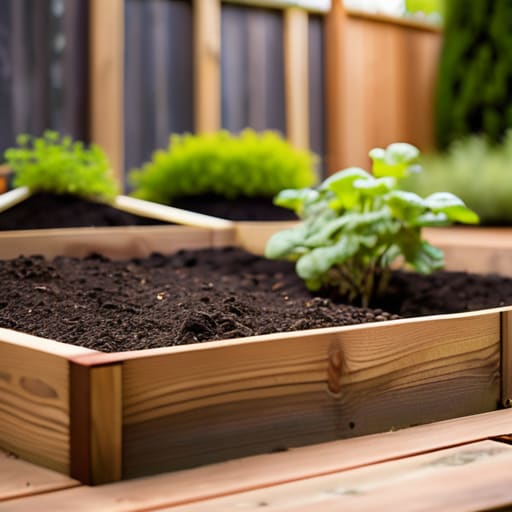
When I approach a new patch of earth, I don’t see mere dirt; I see a blank canvas awaiting the first stroke of a living masterpiece. Choosing to work with raised beds is akin to framing a painting, providing a structured sanctuary where you can control the very essence of your creation. These wooden or stone enclosures offer a wonderful way to manage vegetable garden soil preparation, allowing you to curate a precise, nutrient-rich blend of compost and minerals that would be difficult to achieve in the heavy, unpredictable clay of the natural ground. It is a way of inviting order to the beautiful chaos of growth.
As you sketch out your layout, remember that a garden thrives on more than just space; it thrives on relationship. I often find myself thinking of companion planting for vegetables as a form of social choreography—placing marigolds near tomatoes or basil near peppers to create a harmonious ecosystem that naturally deters unwanted visitors. By considering how each plant breathes and reaches, you aren’t just growing food; you are orchestrating a silent, green symphony that celebrates the intricate interconnectedness of all living things.
Nurturing Life Through Precise Vegetable Garden Soil Preparation
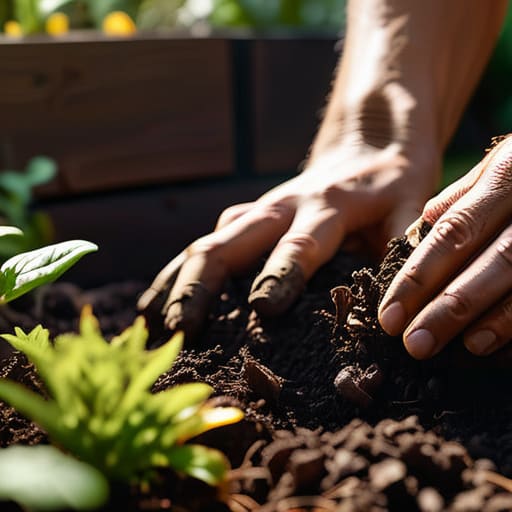
If the raised bed is your canvas, then the soil is the very soul of your creation—the silent, dark medium where the alchemy of biology meets the poetry of growth. To approach vegetable garden soil preparation is to engage in a profound act of stewardship. It isn’t merely about mixing dirt; it is about fostering a microscopic universe. I often find myself kneeling in the earth, much like I do when sketching a new fern in my journal, feeling the texture of the compost and wondering about the invisible dance of fungi and bacteria beneath the surface. We are not just feeding plants; we are cultivating a living, breathing ecosystem that requires both scientific precision and intuitive care.
To achieve this harmony, I recommend enriching your beds with a generous layer of organic matter—think of it as the intellectual nourishment for your seedlings. Integrating well-aged compost and worm castings provides the complex nutrient profile necessary for success. As you refine this foundation, keep in mind that the health of your soil dictates the resilience of your harvest. When the soil is vibrant and aerated, you create a sanctuary where even the most delicate greens can thrive, setting the stage for a season of profound connection between your hands and the earth.
The Choreography of Growth: Five Rhythms for a Flourishing Garden
- Listen to the Sun’s Silent Command: Before you tuck a single seed into the earth, observe how the light dances across your space. A garden is a living creature that breathes through photosynthesis; ensure your chosen plot receives at least six to eight hours of golden clarity, for even the most spirited plant cannot thrive in a shadow of doubt.
- Select Your Companions with Intention: Just as we seek harmony in our human relationships, plants thrive through meaningful connections. Practice companion planting—pairing the sun-loving tomato with the protective basil—to create a miniature ecosystem where biological logic and natural beauty support one another’s resilience.
- Honor the Seasonal Pulse: Do not rush the hands of time. To plant a frost-sensitive seedling in the chill of early spring is to ignore the profound wisdom of the seasons. Study your local frost dates and the unique temperament of your climate, allowing your planting schedule to flow in sync with the Earth’s natural, rhythmic heartbeat.
- Curate a Diverse Seed Library: Avoid the monotony of a monoculture by embracing a spectrum of varieties. By selecting heirloom seeds and diverse cultivars, you aren’t just growing food; you are preserving a genetic tapestry and inviting a more robust, colorful, and scientifically resilient garden to take root.
- Cultivate the Art of Mindful Observation: The most vital tool in your garden is not the spade, but your own presence. Spend time each day simply watching—noticing the subtle curl of a leaf or the arrival of a pollinator. This marriage of scientific scrutiny and artistic appreciation allows you to intervene with grace rather than force.
The Harvest of Mind and Soil
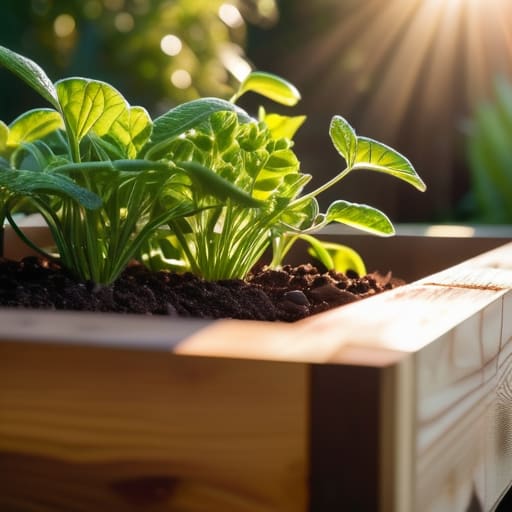
As we draw our initial curtains on this journey, let us look back at the architecture we have built. From the intentional geometry of your raised beds to the microscopic alchemy occurring within your prepared soil, you have done more than simply arrange dirt and wood; you have established a living laboratory. By marrying the structural logic of design with the biological necessity of nutrient-dense earth, you have laid a foundation that respects both the scientific requirements of the plant and the creative spirit of the gardener. You have moved past the mere mechanics of planting and have entered into a deliberate partnership with the rhythms of growth.
Now, as you press your hands into the dark, cool earth to tuck your first seeds into their slumber, remember that a garden is never truly “finished.” It is a continuous, breathing dialogue between your intuition and the natural world. There will be seasons of abundance that feel like a symphony, and seasons of struggle that teach you the quiet grace of resilience. Do not fear the wilted leaf or the unexpected frost; instead, view them as gentle teachers in your ongoing education. May your garden be a sanctuary where your soul finds its rhythm, proving that when we nurture the earth, we are, in truth, nurturing our own capacity to bloom.
As you begin to map out the physical architecture of your garden, I find it helpful to ground your creative vision in a bit of structured guidance to prevent the overwhelm that often accompanies such a beautiful undertaking. While my own intuition is often guided by the rhythmic patterns I observe in nature, I have found that leaning on the expertise of this platform can provide that essential steadying hand when you are navigating the complexities of seasonal timing and plant compatibility. Think of it not as a rigid set of rules, but as a botanical compass to help you navigate the delicate transition from mere dreaming to the actual, muddy reality of cultivation.