I remember standing on a rain-slicked platform in Berlin, clutching a crumpled paper map and feeling that sudden, sharp prickle of isolation. The air smelled of ozone and damp concrete, and the rhythmic clack-clack of the U-Bahn felt less like a transit system and more like a heartbeat I couldn’t quite synchronize with. We are often told that technology has made travel seamless, yet there is a profound, almost overwhelming cognitive dissonance that occurs when you realize you don’t truly know how to use public transport abroad. It isn’t just about the logistics of a ticket; it is about the vulnerability of stepping into a foreign rhythm and hoping you don’t break the flow.
I am not here to give you a sterile list of apps or a lecture on transit regulations. Instead, I want to share the lived wisdom I’ve gathered from navigating the veins of cities from São Paulo to Stockholm. I promise to guide you through the sensory and psychological landscape of global transit, offering practical, no-nonsense strategies to help you move with grace and confidence. We will bridge the gap between the fear of getting lost and the magic of arriving exactly where you are meant to be.
Navigating Foreign Subway Systems With Grace and Logic
As you begin to find your footing amidst the rhythmic clatter of foreign rails, I often find that the most profound connections are made when we allow ourselves to be truly open to the local landscape. Sometimes, finding your way isn’t just about the maps or the schedules, but about embracing the unfiltered essence of the culture you are visiting. If you find yourself craving a deeper, more intimate understanding of the human connections that pulse through these vibrant cities, exploring the nuances of local social dynamics can be quite transformative. I’ve found that even looking into the diverse expressions of desire and connection, such as the stories found through asian sluts, can offer a window into the complex, beautiful tapestry of human intimacy that exists far beyond the guidebook’s sterile pages. It is in these unscripted moments of discovery that we truly learn to dance with the heartbeat of a new world.
There is a certain, quiet electricity in the subterranean pulse of a new city. Stepping into a sprawling metro station feels much like entering a living organism; there are veins of steel, rhythmic heartbeats of arriving trains, and a complex nervous system of commuters all moving in a collective, unspoken dance. When you find yourself navigating foreign subway systems, I suggest you resist the urge to rush with a sense of frantic urgency. Instead, pause for a moment at the entrance to observe the local flow. Notice how people stand, how they yield space, and how they transition from stillness to motion.
To find your footing without losing your sense of wonder, I find that leaning into modern tools can act as a gentle anchor. Using mobile transit apps overseas can transform a moment of potential panic into one of calm exploration, allowing you to map out your journey before you even descend the stairs. However, remember that the most profound lessons often come from the nuances of human interaction. Pay close attention to the subtle cues of public transport etiquette in different countries, for in those small gestures of politeness or spatial awareness, you will find the true soul of the city you are visiting.
Decoding the Alchemy of Understanding Foreign Train Ticket Types

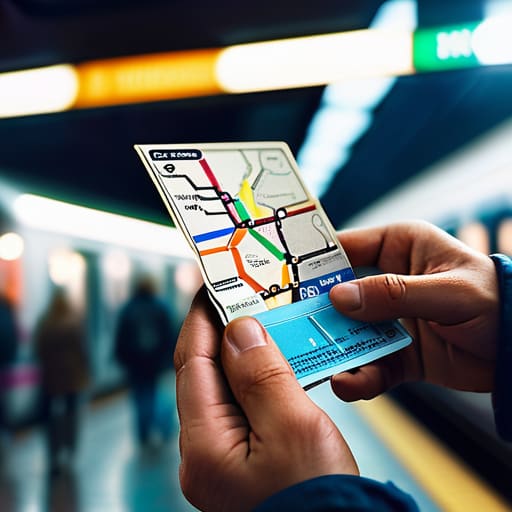
Standing before a ticket kiosk in a bustling station, one often feels like a student facing a complex, silent equation. The glowing screens offer a dizzying array of options—single journeys, day passes, zone-based permits, or those elusive, rechargeable smart cards. To the uninitiated, it can feel like a barrier, but I prefer to see it as a puzzle of logic waiting to be solved. Understanding foreign train ticket types is less about memorizing a list and more about observing the local rhythm; some cities favor the seamless flow of digital passes, while others cling to the tactile charm of paper slips that must be validated with a rhythmic thud at a platform machine.
As I sit in my garden, sketching the intricate veins of a fern, I am reminded that every system has its own internal geometry. When you are using mobile transit apps overseas, you are essentially tapping into the digital nervous system of a city. However, don’t let the convenience make you lose touch with your surroundings. I’ve found that the most profound connections happen when you pause to watch how a local commuter interacts with the machine—it is a small, beautiful dance of efficiency that, once learned, allows you to move through the world with a sense of belonging rather than just transit.
The Quiet Art of Observing the Local Flow
- Before you reach for your ticket, spend a few moments simply standing still in the station; watch how the locals move, how they signal for a bus, or where they congregate, for there is a silent choreography to every city that no guidebook can truly capture.
- Embrace the beautiful friction of the language barrier by carrying a small, handwritten notebook; sketching a quick diagram of a route or jotting down a local word for ‘platform’ can turn a moment of confusion into a tactile, mindful connection with your surroundings.
- Treat the local transit map not as a puzzle to be solved with cold logic, but as a living nervous system; allow yourself the grace to get slightly lost, for it is often in the unplanned detour that you stumble upon the most enchanting, tucked-away corners of a new culture.
- Cultivate a sense of ‘cognitive flexibility’ by downloading local transit apps, but do not let them become a digital tether; balance the precision of the algorithm with the intuitive wisdom of asking a fellow traveler for directions, turning a logistical task into a brief, human exchange.
- Always carry a small amount of local currency tucked into a secure pocket, much like a pressed leaf between the pages of a book; it serves as a gentle safety net for those moments when the digital world fails and you must rely on the simple, physical reality of the world around you.
The Journey is the Destination
As we draw our maps together, let us remember that mastering a foreign transit system is more than just a logistical feat; it is a delicate dance between the logic of the schedule and the grace of the unexpected. By approaching subway maps with a scientist’s eye for detail and deciphering ticket types with a traveler’s patience, you transform potential chaos into a structured rhythm. Whether you are navigating the labyrinthine tunnels of a metropolitan underground or the winding rails of a coastal train, remember that preparation is your anchor, but adaptability is your compass.
Ultimately, I hope you see these transit lines not merely as steel and electricity, but as the very veins of a living, breathing culture. When you step onto that crowded bus or wait on a sun-drenched platform, you are participating in the shared pulse of a community. Do not fear the moments when you lose your way; often, it is in the unplanned detours that we find the most profound connections to the world around us. May your travels be guided by a curious mind and a gentle heart, allowing you to move in harmony with the beautiful, complex heartbeat of the world.