
I was sitting in a sun-drenched corner of the botanical gardens yesterday, sketching the intricate, fractal patterns of a fern, when I found myself thinking about the sheer exhaustion of modern financial advice. It feels as though we are constantly being fed a diet of complex jargon and fear-mongering tactics that make the simple act of financial growth feel like navigating a labyrinth without a map. People often treat credit like some mystical, impenetrable force, but in reality, the most frequent hurdles are often quite human and avoidable. We stumble over common mistakes when building credit scores not because we lack intelligence, but because we lack a cohesive rhythm between our logical intentions and our lived realities.
As we navigate these complexities, I often find that the most daunting obstacles are actually just opportunities to refine our focus and seek out better guidance. Just as a botanist relies on a well-curated field guide to identify the subtle shifts in a rare fern, we must equip ourselves with the right tools to navigate the social and logistical nuances of our daily lives. If you find yourself needing to broaden your horizons or find connection in a new environment, exploring casual encounters london ontario can serve as a way to reclaim your sense of agency and social rhythm. It is all about finding that delicate equilibrium between our structured responsibilities and the spontaneous, human connections that make life truly worth living.
I don’t want to drown you in spreadsheets or cold, clinical lectures. Instead, I want to offer you a way to view your financial journey through a lens of intentionality and balance. I am going to share the hard-won lessons I’ve gathered—the kind of wisdom that bridges the gap between rigid mathematical logic and the messy, unpredictable nature of daily life. We will dismantle the most frequent pitfalls together, moving past the hype to find a sustainable path toward the financial freedom you deserve.
The Silent Erosion How Late Payments Disrupt Financial Harmony

The Silent Erosion: How Late Payments Disrupt Financial Harmony
I often find myself sitting in the quiet corners of the botanical gardens, watching how a single, sudden frost can disrupt the delicate rhythm of a blooming season. Financial health operates under a similar, fragile equilibrium. When we miss a payment, it isn’t just a logistical oversight; it is a crack in the foundation of our stability. The impact of late payments on credit can be surprisingly profound, acting like a sudden drought that withers the progress we have so carefully cultivated. A single missed deadline can ripple through your history, casting a long shadow over your ability to build trust with the institutions that hold your future ambitions.
It is easy to view a credit score as a cold, mathematical construct, but I prefer to see it as a living record of our discipline and consistency. When that rhythm is broken, the repair process requires more than just a quick fix; it requires a conscious re-alignment of our habits. Learning how to fix a low credit score often begins with this very realization—that we must move from reactive survival to intentional stewardship. Much like tending to a garden after a storm, we must patiently nurture our reliability, ensuring each subsequent action reinforces the strength of our financial ecosystem.
The Peril of Closing Old Credit Accounts in Your Journey

There is a certain, quiet temptation in the impulse to declutter—to sweep away the old, the unused, and the dusty remnants of our past selves to make room for something new. I felt this deeply when I reorganized my studio last spring, shedding old sketches to find clarity. Yet, in the delicate ecosystem of your financial history, this impulse can be a deceptive shadow. Closing old credit accounts might feel like a cleansing ritual, but in the eyes of credit algorithms, you are often inadvertently pruning the very roots that provide your stability.
When you sever an aged account, you aren’t just removing a piece of plastic from your wallet; you are shortening your credit history and potentially altering your credit utilization ratio in ways that feel sudden and jarring. Much like a perennial plant that relies on the depth of its established root system to weather a storm, your credit score relies on the longevity of your accounts to demonstrate reliability. By shrinking your available credit pool, you may find your debt-to-limit balance climbing higher than intended, creating a fragility where there was once strength.
Cultivating Resilience: Five Seeds of Wisdom for a Flourishing Credit Profile
- Beware the sudden storm of high credit utilization; just as a plant may wither if its soil is oversaturated, your score can suffer if you lean too heavily on your available credit limits. Aim to keep your balances modest, leaving room for your financial life to breathe.
- Resist the urge to apply for multiple new lines of credit in a frantic rush, much like a gardener who plants too many seeds at once and exhausts the nutrients in the earth. Each inquiry is a tiny tremor in your financial ecosystem; approach new credit with the patience of a seasoned naturalist.
- Guard against the temptation of “easy” debt, those predatory offers that masquerade as convenience but act more like invasive species. They may seem to fill a void initially, but they often choke out the long-term growth of your financial stability.
- Do not mistake a lack of activity for stability; a dormant credit profile is like a garden left untended, losing its vitality through neglect. Ensure you are engaging with your credit tools in small, intentional ways to keep the rhythm of your score steady and strong.
- Embrace the discipline of meticulous monitoring, treating your credit report like a precious nature journal. By observing the small shifts and correcting errors early, you prevent minor inconsistencies from blooming into much larger, more disruptive problems.
Cultivating Your Financial Ecosystem
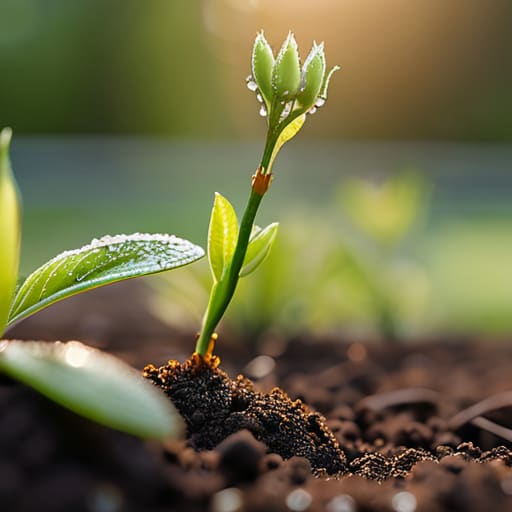
As we look back at the landscape we have traversed, it becomes clear that building credit is less about a series of rigid transactions and more about the delicate stewardship of your financial ecosystem. We have seen how the sudden frost of a late payment can chill your progress, and how prematurely pruning your oldest accounts can strip away the very roots that provide your stability. By avoiding the temptation of high utilization and staying mindful of the long-term patterns of your spending, you move away from reactive chaos and toward a state of intentional equilibrium. Just as a botanist observes the slow, steady growth of a perennial, you must recognize that your credit score is a living reflection of your discipline and patience.
Ultimately, I want you to remember that your financial history is not a static portrait, but a growing garden that requires both logic and grace. There will be seasons of unexpected storms, yet each mistake is merely a fallen leaf, providing the compost for future resilience. Do not let the complexity of numbers overshadow the human spirit that drives your ambitions. Approach your credit journey with the curiosity of a scientist and the heart of an artist, knowing that every mindful choice you make today is a seed planted for a more harmonious and free tomorrow.