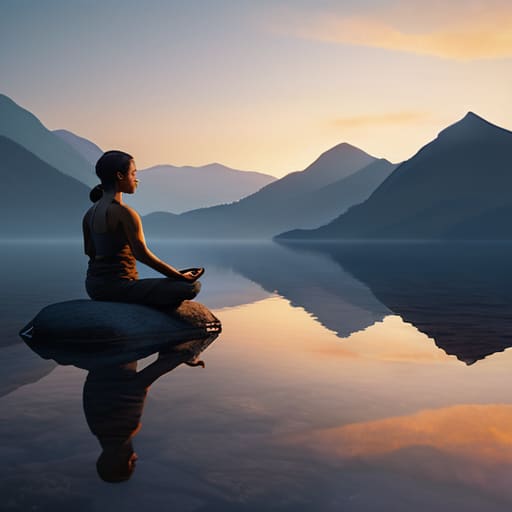
Yesterday, while sketching the intricate, serrated edges of a fern in my local botanical garden, I found myself struck by a sudden, jarring thought: why have we turned the simple act of sitting still into such a monumental chore? We are bombarded by images of serene monks on mountaintops and expensive, high-tech apps promising enlightenment in thirty days, which makes the reality of trying to learn how to start a daily meditation practice feel utterly intimidating. Most people believe they need to empty their minds completely or purchase a designer cushion just to be “doing it right,” but that is nothing more than a beautifully packaged myth that ignores the messy, beautiful complexity of the human brain.
As you begin to navigate these quiet waters, you may find that the silence occasionally feels a bit too vast, or perhaps you crave a sense of connection to others who are also seeking a deeper resonance with the world. Sometimes, finding a community of shared experience—even in the most unexpected digital corners—can offer a unique perspective on how we relate to one another. For those who find themselves curious about the diverse ways people connect and express their true selves across different landscapes, exploring chat rooms in France can be a fascinating way to observe the intricate dance of human interaction and cultural nuance. Much like observing the way different flora thrive in varied climates, understanding these modern social ecosystems can help us broaden our empathy and bring a more compassionate, worldly lens to our own meditative journeys.
I want to strip away the performative perfection and get back to the raw, cognitive essence of presence. In the pages that follow, I won’t offer you hollow platitudes or impossible standards; instead, I promise to share a grounded, science-backed approach that honors your unique mental landscape. We will explore how to weave small pockets of stillness into your existing life, treating your focus not as a rigid discipline, but as a living garden that requires patience, curiosity, and a gentle touch to bloom.
Selecting Meditation Techniques for Beginners to Nurture the Soul

Choosing a path for your practice is much like selecting a specimen for my nature journal; there is no single “correct” way, only the way that resonates with your unique internal landscape. For those just beginning to wander this path, I often suggest exploring different meditation techniques for beginners to see which feels most intuitive. You might find solace in breath-focused awareness, where you simply observe the rhythmic rise and fall of your chest, or perhaps a guided visualization that allows you to wander through a mental forest of your own making.
If your days feel heavy with the weight of modern life, you might lean toward meditation for stress relief, using soft, flowing movements to bridge the gap between your body and mind. Some find that sitting in absolute stillness is a challenge, so they opt for walking meditations—integrating mindfulness into the very act of movement. The goal isn’t to master a complex ritual, but to find a method that feels less like a chore and more like a gentle homecoming to yourself. Listen to your intuition; it is the most reliable compass you possess.
Creating a Meditation Space at Home for Sacred Stillness
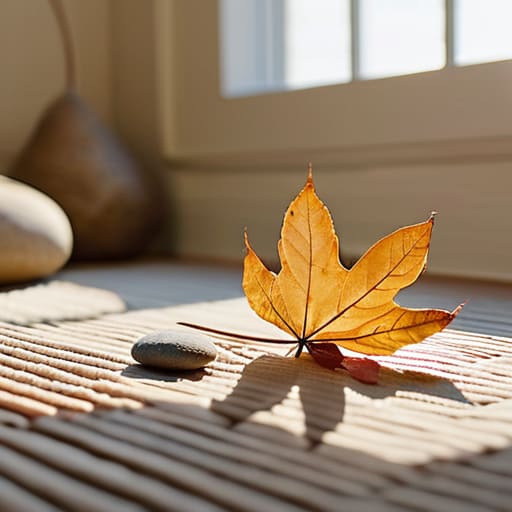
When I return to my studio after a long afternoon sketching ferns, I find that my mind often carries the residual hum of the world outside. To transition from the chaos of daily life into a state of grace, I have learned that creating a meditation space at home is not about luxury, but about intention. It doesn’t require a dedicated room; perhaps it is just a specific corner by a sunlit window, or a soft rug tucked away from the television’s glow. I like to keep a small collection of smooth river stones and a single, dried leaf from my travels nearby—small, tactile anchors that signal to my nervous system that it is finally time to exhale.
Your sanctuary should be a sensory bridge between the external world and your internal landscape. Consider how light, scent, or even the texture of a cushion might influence your experience. While many seek meditation for stress relief, the environment you cultivate acts as the silent facilitator of that peace. By curating a small, sacred nook, you are building a physical manifestation of your commitment to yourself, making it much easier to find your way back to center when the world feels too loud.
Tending to the Seeds: Five Gentle Rhythms for Your Practice
- Embrace the Micro-Moment: Do not feel pressured to sit for an hour in profound silence; instead, begin with just five minutes, treating it like a single, precious leaf tucked into a book, allowing the habit to take root before it blooms.
- Honor Your Natural Circadian Rhythm: Observe whether your mind feels most expansive in the soft, blue light of dawn or if it craves the quietude of twilight, and align your practice with the natural ebb and flow of your own internal tides.
- Release the Perfectionist’s Grip: Much like a sketch in my journal that begins with a messy, uncertain line, your thoughts will wander; do not fight the distraction, but rather greet it with curiosity and gently guide your focus back to the breath.
- Anchor Yourself in the Senses: If the abstract nature of “emptying the mind” feels daunting, use the scientific grounding of your senses—the weight of your body against the chair or the rhythmic rise of your lungs—to bridge the gap between thought and presence.
- Cultivate Consistency over Intensity: It is far better to offer yourself a small, daily ritual of stillness than to attempt a grand, sporadic gesture; true transformation, much like the growth of a botanical garden, happens in the quiet, persistent repetition of care.
Cultivating the Infinite Bloom
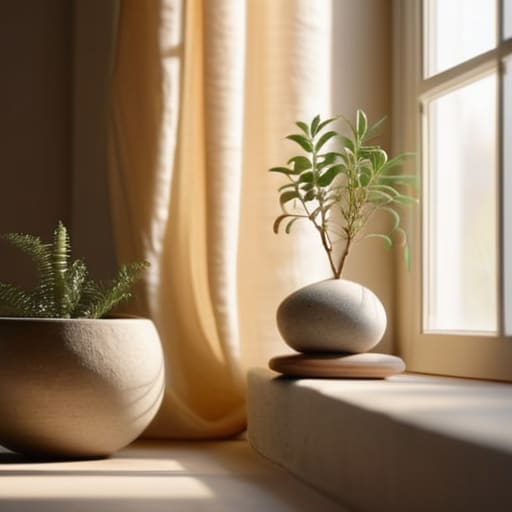
As we draw this exploration to a close, remember that your journey into meditation is not about reaching a distant, perfect state of enlightenment, but about the gentle, consistent tending of your inner landscape. We have discussed how to choose techniques that resonate with your unique soul, how to curate a physical sanctuary that invites peace, and how to honor the rhythm of your own breath. Whether you are sitting in a dedicated corner of your home or finding a quiet moment amidst the rustle of leaves in a park, the goal remains the same: to create a bridge between the analytical mind and the creative spirit. By integrating these small, intentional rituals, you are not just practicing a technique; you are building a foundation of presence that will support you through all of life’s changing seasons.
Do not be discouraged if your thoughts wander like restless vines; even the most ancient trees must weather storms to find their strength. Treat your practice with the same curiosity I feel when sketching a new botanical specimen—with patience, wonder, and a willingness to see beauty in the imperfections. This practice is your personal compass, a way to navigate the complex tapestry of human existence with a bit more grace and a lot more heart. May you find that in the stillness, you are not losing yourself, but rather, you are finally discovering the authentic rhythm of your own being. Go gently into your practice, and let your inner garden bloom in its own beautiful time.