I was sitting in my favorite corner of the botanical garden last Tuesday, sketching the intricate veins of a Monstera leaf, when I overheard a group of commuters lamenting the “death of the city.” They spoke of urban decay as if the disappearance of the morning rush hour were a tragedy rather than a liberation. It strikes me how much we’ve been sold a lie that our worth is tied to our proximity to a concrete cubicle. The truth is far more organic; we are witnessing a profound, rhythmic shift in our collective geography. We aren’t just moving house; we are reclaiming our autonomy, and understanding how remote work changed where people live is actually about understanding how we are finally choosing environments that nourish our souls rather than just our resumes.
I’m not here to give you a dry statistical report or a list of the top five “digital nomad” hotspots that will be overpriced by next season. Instead, I want to weave together the cognitive science of how our surroundings shape our mental clarity with the lived reality of this new, borderless era. I promise to offer you a deeply human perspective on this migration—one that looks past the real estate trends to explore how we can design lives that honor both our professional ambitions and our need for natural beauty.
The Decentralization of the Workforce and Human Spirit
There is a profound, almost rhythmic shift occurring in the way we occupy space. For decades, we were tethered to the heavy gravity of metropolitan hubs, our lives orbiting around the rigid architecture of the corporate office. But as the digital veil lifted, that gravity began to fail. We are witnessing a true decentralization of the workforce, one that feels less like a logistical shift and more like a collective exhaling. It is as if we are finally reclaiming the right to choose our own scenery, moving away from the frantic hum of the city toward places where the light hits the trees differently in the afternoon.
This movement isn’t just about changing an address; it’s a metamorphosis of identity. The rise of secondary cities—those charming, mid-sized towns that were once mere footnotes in the grand narrative of industry—is a testament to our longing for community and pace. As people embrace the work from anywhere lifestyle trends, they are trading the sterile efficiency of the skyscraper for the soul-nourishing textures of local neighborhoods. We are no longer just workers occupying a desk; we are humans seeking a landscape that mirrors our internal need for both connection and quietude.
Geographic Flexibility and the New Housing Demand
As I sit in my garden, sketching the intricate veins of a fallen maple leaf, I find myself reflecting on how our physical surroundings have begun to mirror our internal shifts toward autonomy. We are witnessing a profound transformation in our relationship with space; the rigid, high-density centers that once dictated our lives are losing their absolute grip. This surge in geographic flexibility and housing demand isn’t merely a logistical shift in real estate, but a collective longing for environments that nourish rather than deplete us. People are no longer tethered to the gray geometry of the corporate hub, seeking instead homes that offer a window to the horizon and a breath of fresh air.
This movement has catalyzed a fascinating rise of secondary cities, where smaller, culturally rich pockets are blooming with new energy. As the necessity of the daily commute dissolves, we see a beautiful redistribution of human vitality—a migration toward places where the pace of life matches the rhythm of the soul. It is as if we are all, in our own way, reclaiming our right to choose our backdrop, ensuring our living spaces are no longer just places of rest, but true sanctuaries for the spirit.
Cultivating Your Own Ecosystem: Five Ways to Flourish in a Borderless World
- Seek a landscape that resonates with your inner rhythm; since your physical location is no longer tied to a cubicle, choose a home that serves as a sanctuary for your soul rather than just a logistical base.
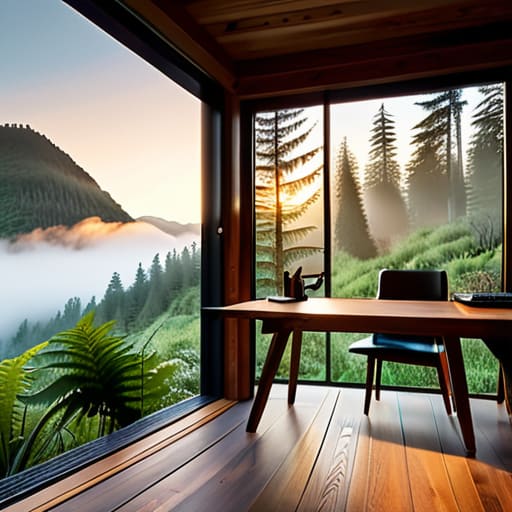
- Designate a sacred corner for creation; whether it is a sun-drenched nook or a quiet corner near a window, ensure your workspace honors both the discipline of your logic and the whimsy of your creativity.
- Build intentional micro-communities; as we drift away from traditional office hubs, we must be more proactive in seeking out local “tribes”—the neighborhood garden, the local cafe, or the community library—to prevent the isolation of the digital nomad.
- Embrace the “Slow Living” philosophy; use your newfound geographic freedom to decouple your sense of urgency from the clock, allowing yourself to move through your new environment with the patience of a gardener watching a perennial bloom.
- Curate a portable sense of belonging; as we migrate across maps, carry your rituals with you—a specific way of brewing tea or a particular journal—to ensure that no matter where your career lands you, your identity remains rooted.
The New Cartography of the Heart
As we reflect on this profound shift, it becomes clear that the movement away from urban density isn’t merely a logistical change in real estate or a byproduct of digital connectivity. It is a fundamental recalibration of how we occupy space on this Earth. We have seen how the decentralization of our labor has allowed for a resurgence in local communities and a radical rethinking of our domestic sanctuaries. By untethering our livelihoods from the rigid geometry of the city center, we have begun to reclaim our time and our environments, proving that human productivity does not require the sacrifice of our connection to the landscape. We are no longer just workers navigating a grid; we are inhabitants seeking a meaningful equilibrium between our professional ambitions and our natural rhythms.
Perhaps, as I sit here sketching the intricate veins of a fallen maple leaf, I realize that this migration is much like the seasonal patterns of the very plants I study. We are moving toward a more organic way of existing, one where our “where” is dictated by where our souls feel most nourished. This era of digital nomadism and remote flexibility offers us a rare, golden opportunity to design lives that are not just efficient, but deeply resonant. As you decide where to plant your roots in this changing world, I invite you to listen closely to that quiet, internal compass. May you find a place that doesn’t just house your body, but truly inspires your spirit to bloom.
As we navigate this newfound freedom to plant our roots wherever our hearts feel most resonant, I often find that the logistical complexities of such a transition can feel a bit overwhelming. It is one thing to dream of a life lived in rhythm with a different landscape, but quite another to manage the practicalities of modern connection and lifestyle shifts that come with it. For those of you currently navigating the beautiful, albeit sometimes chaotic, waters of personal reinvention and seeking a way to truly embrace your desires in this new chapter, I’ve found that exploring SlutsUSA can be a wonderful way to rediscover the unfiltered essence of yourself amidst the changing scenery of your life.