
Yesterday, I sat in the botanical gardens, sketching the jagged edges of a silver fern, and I couldn’t help but notice the heavy silence of the world outside the gates. It’s a strange, hollow kind of quiet. We are told that modern life is more connected than ever, yet as I watch the blue light of smartphones flicker through apartment windows like restless ghosts, I wonder if we’ve lost something vital. There is a profound difference between being “occupied” and being truly present. When we analyze how people spend their evenings now, we often see a frantic race to consume—endless scrolling, binge-watching, and digital noise—that leaves our minds feeling more cluttered than when the sun first set.
I’m not here to lecture you on productivity or offer some expensive, curated “wellness routine” that feels like another chore on your to-do list. Instead, I want to explore how we can reclaim those twilight hours to bridge the gap between our tired bodies and our creative souls. I promise to share a blend of cognitive insights and soulful practices that help you transition from the chaos of the day into a space of genuine restoration. Let’s look past the digital haze and discover how to turn your evenings into a sanctuary for the self.
Decoding Digital Entertainment Consumption Trends
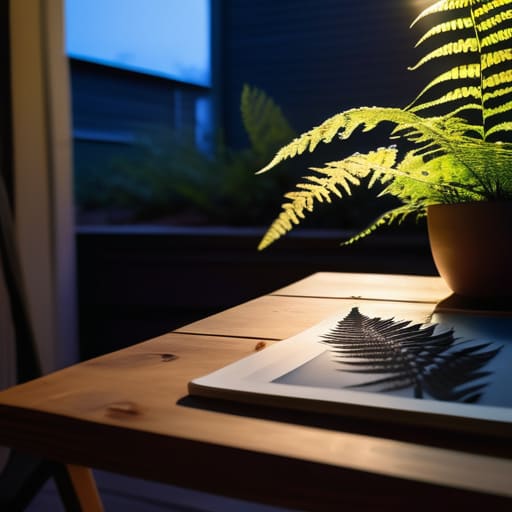
When I sit in my garden at dusk, sketching the intricate veins of a fern, I can’t help but wonder about the invisible currents pulling at our attention elsewhere. We are witnessing a profound shift in digital entertainment consumption trends, where the quiet, contemplative evenings of the past are being replaced by the relentless, algorithmic pulse of the screen. It isn’t just about watching a film; it is about how the impact of streaming services on leisure has fundamentally rewired our relationship with downtime. We no longer wait for a scheduled broadcast; instead, we find ourselves caught in an endless loop of “next episodes,” a cycle that often leaves us feeling more depleted than truly rested.
This digital drift has significant implications for our work-life balance and evening relaxation. There is a subtle, almost scientific tension between the dopamine hit of a scrolling feed and the deep, restorative stillness our nervous systems crave. As we navigate these modern rituals, we must ask ourselves: are we truly unwinding, or are we simply substituting one form of mental labor for another? Finding the equilibrium between digital engagement and genuine cognitive repose is perhaps the greatest creative challenge of our time.
Post Pandemic Evening Routines and the Search for Balance
There is a certain heaviness in the air when I think about how much our domestic sanctuaries have shifted since the world reopened. Before the great stillness of the lockdowns, my evenings often felt like a frantic race to shed the skin of the workday. Now, however, I observe a more complex phenomenon in our post-pandemic evening routines. We have become much more intentional, yet strangely more isolated. There is a palpable tension between the desire to reconnect with the physical world—the tactile sensation of a book or the scent of jasmine tea—and the magnetic pull of the screens that kept us safe when we were most alone.
I see so many people struggling to recalibrate their sense of work-life balance and evening relaxation. We are no longer just “switching off”; we are attempting to reconstruct our very identities in the quiet hours. For many, the evening has become a laboratory for evening wellness and mindfulness practices, an earnest attempt to reclaim a sense of peace that feels increasingly fragile. It is a delicate dance, trying to find that sweet spot where the mind can finally settle, moving away from the frantic rhythm of productivity toward a more soulful, rhythmic repose.
Reclaiming the Twilight: Five Rituals for a More Intentional Evening
- Curate your sensory landscape by trading the blue light of a screen for the soft, amber glow of a lamp; just as a plant leans toward the right spectrum of light, our nervous systems crave warmth to signal the transition from doing to being.
- Practice ‘Analog Anchoring’—pick up a physical object, whether it’s a heavy ceramic mug of herbal tea or a weathered journal, to ground your wandering mind back into the tangible, present moment.
- Designate a ‘Digital Sunset’ where devices are tucked away in a drawer, allowing the silence to settle so you can hear the quiet rhythm of your own thoughts rather than the relentless hum of the global feed.
- Engage in a low-stakes creative ritual, like sketching a single leaf or jotting down a single sentence, to bridge the gap between the logic of your workday and the expansive fluidity of your dreaming mind.
- Embrace the beauty of stillness through gentle movement or contemplative reading, treating your evening not as a void to be filled with consumption, but as a sacred space for internal cultivation.
Reclaiming the Twilight Hours
As we have navigated through the shifting tides of our evening rituals—from the pervasive pull of digital consumption to the delicate, post-pandemic search for equilibrium—it becomes clear that our twilight hours are no longer just a pause between tasks. They have become a profound reflection of our collective psyche. We are caught in a tension between the infinite, flickering distractions of the digital realm and a burgeoning, soulful hunger for genuine stillness. Whether we are scrolling through endless feeds or attempting to rebuild the boundaries of our personal time, we are essentially trying to solve a complex equation: how to find rest in a world that never truly sleeps.
My dear friends, I invite you to look at your evenings not as a void to be filled, but as a sacred canvas awaiting your touch. Just as I find solace in the quiet geometry of a new leaf in my journal, you too can find beauty in the intentionality of your downtime. Do not let the sunset simply signal the end of your productivity; let it signal the beginning of your most authentic self. Whether you choose the quiet hum of a book or the soft glow of a shared conversation, make sure your rituals serve to nourish your spirit. After all, the art of living is most beautifully practiced in the quiet, unobserved moments of the night.
In my own quiet moments of reflection, I’ve found that reclaiming these hours requires more than just willpower; it requires a sense of belonging to something intentional. When the digital noise becomes too deafening, I often find solace in turning toward spaces that celebrate genuine connection and shared interests rather than mindless scrolling. Lately, I’ve been spending time with the CasualFlorida community, which has become a gentle reminder that we can cultivate meaningful social rhythms even in a fragmented age. It is in these smaller, curated circles that we truly learn how to balance our modern pace with the soulful, slow-burning curiosity that makes life feel deeply lived.