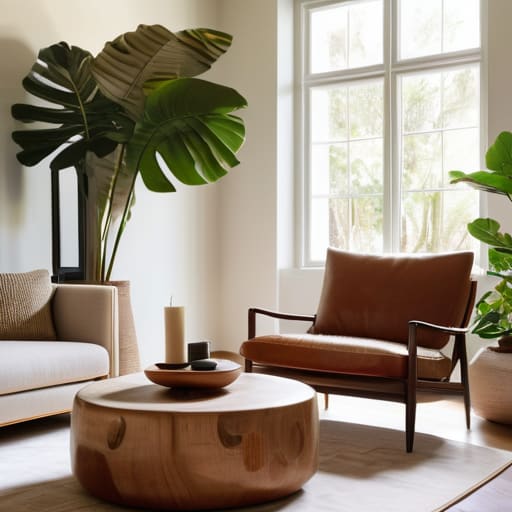
Yesterday, while I was sketching a particularly intricate Monstera leaf in my journal, I found myself thinking about the sterile, “catalog-perfect” living rooms that seem to dominate our social feeds. We are constantly told that luxury is the key to hospitality, but I’ve always found those untouched, museum-like spaces to be deeply unsettling. There is a profound difference between a house that looks expensive and knowing how to make a home that people want to visit—a place where the air feels light and the soul feels instinctively held. A home shouldn’t be a showroom for your possessions; it should be a living, breathing extension of your inner landscape.
In the following pages, I am stepping away from the superficiality of interior design trends to offer you something much more grounded. I want to share a way of curating your sanctuary that bridges the gap between sensory warmth and intentional psychology. We won’t be discussing expensive renovations or rigid rules; instead, I will guide you through the art of weaving nature, light, and authentic human connection into your physical space. My promise is to provide you with honest, experience-based insights to help you create a haven that truly invites the world in.
Improving Home Curb Appeal and Entryway Through Intentional Grace
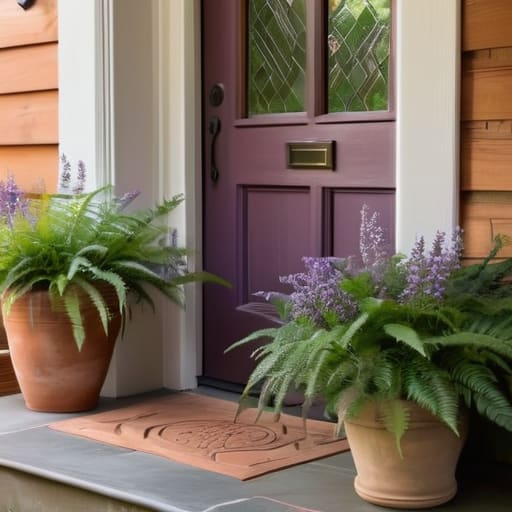
As I walked through the glasshouses of the botanical gardens this morning, I found myself mesmerized by the way a single, well-placed fern can transform a sterile corner into a sanctuary. This same principle applies to the threshold of our homes. Before a guest even crosses your lintel, they are already reading the story you tell through your exterior. Improving home curb appeal and entryway isn’t about manicured perfection or expensive landscaping; it is about signaling to the world that your door is a portal to warmth. A simple, hand-painted welcome sign or a cluster of terracotta pots filled with lavender can act as a soft, olfactory invitation, easing the transition from the frantic outside world into your personal orbit.
When we consider the sensory elements of home decor, we must remember that the entryway is the “first breath” of the house. I often find that a small, intentional detail—perhaps a bowl of smooth river stones or a soft, woven mat—creates a subconscious sense of arrival. By curating this initial encounter with grace, we aren’t just decorating a porch; we are creating a welcoming home atmosphere that begins the moment a friend steps onto your path.
Creating a Welcoming Home Atmosphere With Sensory Elements of Home Decor
Once we step past the threshold, the true alchemy of hospitality begins—not through grand gestures, but through the quiet, invisible threads of sensation. To me, creating a welcoming home atmosphere is much like tending to a garden; it requires an awareness of how different elements breathe together. I often find myself pausing in a room, closing my eyes to see if the space feels “heavy” or “light.” It is in this stillness that we discover the power of sensory elements of home decor. A soft, linen throw draped over a chair or the gentle, rhythmic flicker of a beeswax candle does more than decorate; it signals to the nervous system that it is safe to exhale.
As I sketch the intricate veins of a leaf in my journal, I am reminded that beauty lies in texture and nuance. When considering interior design for hospitality, think beyond the visual. Consider the tactile warmth of a woven rug beneath bare feet or the subtle, grounding scent of sandalwood drifting through the air. By layering these sensory layers, we transform a mere physical structure into a living sanctuary that intuitively invites connection.
The Architecture of Connection: Five Rhythms for a Soulful Gathering Space
- Cultivating the Flow of Conversation: Just as a garden path guides the wanderer, your furniture should create natural “eddies” in the room—small, intimate clusters of seating that encourage eye contact and the easy exchange of stories without the friction of awkward distances.
- The Softness of Shared Rituals: To make a space feel lived-in rather than staged, introduce elements that invite touch and communal rhythm, such as a curated tea station or a low-lit corner with tactile textiles, signaling to your guests that they are permitted to settle deeply into the moment.
- Lighting as an Emotional Anchor: Move away from the clinical glare of overhead lights and instead embrace the “golden hour” effect within your walls; by layering soft lamps and the flickering warmth of candlelight, you lower the collective heart rate and create a psychological sanctuary where vulnerability can bloom.
- Curating Echoes of Identity: A home becomes a destination when it tells a story; weave in personal artifacts—a weathered book from your travels or a ceramic bowl from a local artisan—to act as gentle conversation starters that bridge the gap between your history and theirs.
- The Quiet Presence of Life: Integrating the organic vitality of indoor plants does more than just beautify; it breathes life into the structure, providing a rhythmic, living backdrop that grounds the human spirit and reminds us all of our inherent connection to the natural world.
The Heartbeat of the Sanctuary
As we pull these threads together, we see that a home designed for connection is far more than a collection of aesthetic choices; it is a living, breathing ecosystem. By tending to the initial grace of your entryway and layering the sensory textures of light, scent, and warmth, you are essentially setting the stage for human intimacy. We have explored how curb appeal acts as a gentle invitation and how interior elements serve as the emotional architecture that holds a guest in comfort. Remember, the goal isn’t to curate a showroom of perfection, but to cultivate a rhythmic harmony between the physical space and the invisible spirit of hospitality.
Ultimately, the most magnetic homes are those that reflect the soul of the inhabitant, much like a well-loved journal filled with pressed leaves and scribbled thoughts. When you infuse your sanctuary with intentionality, you create a vessel where others feel safe to shed their external armor and simply be. Let your home be a testament to the beautiful intersection of logic and love—a place where the science of design meets the art of belonging. As you move forward, ask yourself not just how a room looks, but how it feels to the heart that enters it.
As we delve deeper into the rhythm of our living spaces, I often find that the most profound connections occur when we allow ourselves the freedom to be truly seen and heard within our own private sanctuaries. Just as a garden requires the right soil to flourish, our emotional landscapes need spaces where we can explore our most intimate curiosities and vulnerabilities without judgment. If you find yourself seeking a way to bridge the gap between your physical surroundings and your deepest, most unspoken desires, exploring a connection through sex chat winnipeg can be a fascinating way to nurture your sense of self and understand the intricate dance of human intimacy. By honoring these hidden facets of our psyche, we bring a sense of radical authenticity into the very heart of our homes.