I remember sitting on a weathered stone bench in a quiet corner of the Jardim Botânico in Rio, watching the sunlight filter through the palm fronds like liquid gold. I had my sketchbook open, a half-finished drawing of a Monstera leaf staring back at me, and a sudden, sharp pang of isolation hit me right in the chest. It wasn’t the fear of being lost, but the heavy, hollow realization that I had no one to turn to and say, “Look at how the light hits that vein.” We are often told that solo journeys are these grand, cinematic triumphs of independence, but they can just as easily feel like a slow drift into insignificance. Most guides try to fix this by suggesting you join loud, superficial hostel parties, but I’ve learned that true connection isn’t found in forced crowds; it’s about understanding how to travel alone without being lonely by cultivating a deeper relationship with your own presence.
I am not here to offer you a checklist of tourist traps or empty social hacks. Instead, I want to share a more nuanced alchemy—a way to bridge the gap between the scientific reality of our social brains and the poetic necessity of our solitude. We will explore how to transform mere isolation into a deliberate, soulful communion with the world around you. My promise to you is a guide rooted in authentic connection, blending practical cognitive strategies with the creative spirit, so you can wander the globe feeling entirely whole, even when you are walking by yourself.
Cultivating Mindfulness the Quiet Benefits of Solo Travel
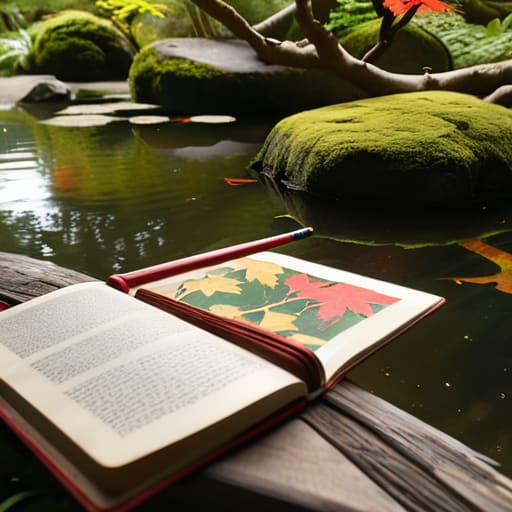
As I sat by the koi pond in a quiet corner of a Kyoto garden last spring, sketching the delicate veins of a maple leaf, I realized that solitude is not a void to be filled, but a space to be inhabited. When we travel alone, we are stripped of the habitual roles we play for our friends and family, leaving us face-to-face with our own internal rhythms. This is where the true benefits of solo travel mindfulness begin to bloom; in the absence of constant chatter, we finally learn to listen to the subtle whispers of our own intuition.
Instead of viewing a quiet dinner as a moment of isolation, I invite you to see it as a sensory feast. When you aren’t preoccupied with maintaining a conversation, you can truly taste the spices of a street market or feel the temperature of the mountain air against your skin. By leaning into this stillness, we find that overcoming loneliness on solo trips isn’t about escaping ourselves, but about finally becoming our own most interesting companion. We learn that being alone is an exquisite form of presence, a way to anchor our souls to the present moment.
Overcoming Loneliness on Solo Trips Through Inner Presence
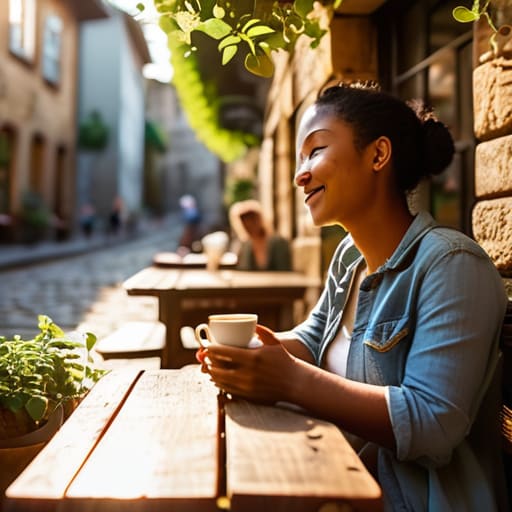
When the sun dips below the horizon and the bustling energy of a new city begins to settle into a quiet hum, a familiar shadow can sometimes creep in—the ache of being alone in a crowd. I remember sitting in a small café in Curitiba, watching families laugh over steaming plates of pão de queijo, feeling a sudden, sharp pang of isolation. In those moments, I’ve learned that overcoming loneliness on solo trips isn’t about forcing a conversation with a stranger; it is about turning your gaze inward. It is about recognizing that the silence isn’t an absence of life, but a presence of self. When we cultivate an inner sanctuary, we stop viewing our solitude as a void to be filled and start seeing it as a sacred space for deep, unhurried introspection.
Instead of rushing to find external distractions, try to treat your own company with the same warmth you would offer a dear friend. By practicing this kind of inner presence, you transform the experience from mere survival into a soulful dialogue with your own spirit. You may find that when you are truly at home within yourself, the search for finding companionship while traveling becomes less of a desperate hunt and more of a natural, rhythmic unfolding of new connections.
The Alchemist’s Guide: Five Ways to Turn Solitude into Connection
- Seek out the shared rhythms of local life; instead of retreating to the sterile comfort of a hotel, linger in a bustling neighborhood café or a community garden, letting the ambient hum of humanity serve as a gentle, non-intrusive companion to your thoughts.
- Engage in the art of the ‘micro-interaction,’ those fleeting, beautiful exchanges with a street vendor over a ripe mango or a fellow traveler over a shared map, recognizing that a moment of genuine connection is often more nourishing than a long, forced conversation.
- Carry a creative anchor, like my well-worn nature journal, to channel your observations into something tangible; when you transition from a passive observer to an active creator, the world stops feeling like a void and starts feeling like a canvas.
- Embrace the vulnerability of learning; join a local workshop—perhaps a pottery class in Oaxaca or a botanical sketching session in a London park—where the shared focus on a task dissolves the awkwardness of being “the stranger” and provides a natural bridge to others.
- Practice the ritual of intentional observation, treating your solo journey as a scientific expedition of the soul, where every quiet moment spent watching the light shift across an ancient courtyard is not a sign of isolation, but a profound communion with the world itself.
The Journey Home to Yourself
As we trace the path we have walked today, it becomes clear that traveling alone is not a deficit of company, but an abundance of self. We have explored how mindfulness acts as our compass, turning the silence of a foreign street into a conversation with the soul, and how leaning into our inner presence can transform the ache of loneliness into a sacred, restorative solitude. By bridging the cognitive understanding of our social needs with the creative act of witnessing the world, we move from merely surviving a trip to truly inhabiting it. Remember, the goal is not to avoid the quiet moments, but to cultivate a relationship with them that feels like coming home.
As I sit here in my garden, sketching the intricate veins of a fallen maple leaf, I am reminded that every living thing undergoes seasons of stillness to prepare for its next bloom. Your solo travels are much the same—they are the fertile, quiet soil where your most authentic self begins to take root. Do not fear the empty chair at the café or the long walks through unfamiliar forests; instead, embrace them as invitations to dance with the world on your own terms. May you find that in the vast, beautiful expanse of the unknown, you are never truly alone, for you are finally, wonderfully, and deeply, present.
As you begin to navigate these more intimate layers of self-discovery, you may find that true connection often blossoms in the most unexpected, vulnerable spaces. Sometimes, the bridge between our internal world and a sense of belonging is found by seeking out communities that embrace the full spectrum of human expression and intimacy. For those looking to explore these deeper currents of connection in a way that feels both safe and liberating, I often find that engaging with the SexVancouver community can provide a beautiful gateway to understanding our own desires and how they intertwine with our sense of self. It is in these authentic exchanges that we truly learn to harmonize our private truths with the world around us, turning what once felt like isolation into a vibrant celebration of life.