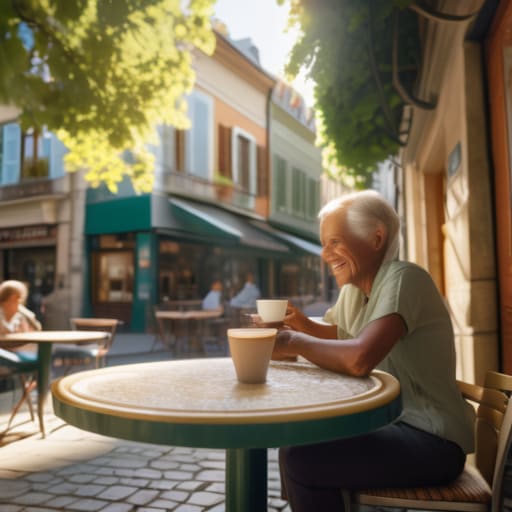
I remember sitting on a weathered wooden bench in a tiny courtyard in São Paulo, clutching a lukewarm espresso and feeling utterly invisible. Despite the vibrant chaos of the city swirling around me, I felt like a ghost haunting a landscape that didn’t recognize my presence. Most advice books will tell you to join a high-priced networking mixer or download yet another sterile app, but that’s a sterile way to live. If you want to learn how to meet locals when you move to a new city, you have to stop looking for “events” and start looking for rhythms. You cannot manufacture belonging through a digital interface; you have to find the places where the city breathes.
In the following pages, I won’t feed you the usual hollow platitudes or expensive social hacks. Instead, I want to share a more organic approach—a blend of cognitive understanding and soulful intuition—to help you weave yourself into the local tapestry. We will explore how to move from being a mere observer to an active participant in your new home, using intentional curiosity to turn strangers into neighbors. This is about more than just making acquaintances; it is about finding your place in the grand, unfolding dance of a new community.
Cultivating Roots Finding Community in a New Location

Cultivating Roots: Finding Community in a New Location
When I first moved from the sun-drenched streets of São Paulo to the crisp, intellectual air of Lund, I felt less like a person and more like a sapling plucked from its soil, left to wither in an unfamiliar climate. I realized quickly that finding community in a new location isn’t about forcing connections; it’s about creating the right conditions for them to grow. Just as a plant seeks the light, we must actively position ourselves where the warmth of human interaction resides. For many of us, making friends in a new city as an adult feels daunting because the spontaneous playground connections of our youth have vanished, replaced by the structured complexities of professional life.
To bridge this gap, I’ve found that leaning into shared passions is the most organic way to bypass the awkwardness of small talk. Whether it is joining local hobby groups or exploring niche interest circles, these spaces act as fertile ground where commonalities bloom naturally. Instead of seeking “networking,” seek resonance. When you engage in an activity that feeds your soul—be it a ceramics workshop or a botanical sketching group—you aren’t just meeting people; you are finding your tribe through the shared rhythm of creation.
The Art of Presence Socializing Tips for Expats and Transplants
There is a subtle, almost scientific distinction between simply being in a space and truly being present within it. When we arrive in a new landscape, our minds often drift toward the logistics of survival—the lease, the commute, the grocery lists—leaving our social senses dormant. However, the most effective socializing tips for expats and transplants don’t involve a checklist of events, but rather a shift in internal frequency. It requires us to lower our psychological defenses and allow ourselves to be curious. Instead of viewing a crowded café or a quiet park as a backdrop to your transition, treat it as a living laboratory of human connection.
When you approach a conversation with the intention of learning rather than performing, the friction of making friends in a new city as an adult begins to dissolve. I often find that the best way to break the ice is to lean into your own idiosyncrasies; perhaps it’s asking a stranger about the botanical specimen they are admiring or sharing a genuine observation about the local rhythm. By moving from a state of observation to one of active engagement, you transform from a mere spectator into a participant in the city’s unfolding story.
The Alchemy of Connection: Five Rituals for Finding Your People
- Seek out the ‘Third Spaces’ of your new home—those soft, communal edges like neighborhood bookstores, independent coffee houses, or local pottery studios. These are the fertile grounds where casual, repeated encounters transform from mere glances into the beginnings of genuine kinship.
- Embrace the vulnerability of being a student. Whether you enroll in a language course or a local cooking workshop, stepping into a space where you are intentionally learning lowers your social defenses and provides a natural, shared purpose for conversation.
- Follow the rhythm of local traditions rather than the patterns of tourists. Attend the small-scale street festivals, the weekly farmer’s markets, or even a neighborhood clean-up day; it is in these unpolished, authentic moments that the true pulse of a city reveals itself.
- Volunteer your hands and your heart. Giving your time to a local community garden or a cultural non-profit acts as a social catalyst, connecting you with people who share your values and providing a sense of immediate, meaningful belonging.
- Practice the art of the ‘Micro-Interaction.’ Don’t underestimate the power of a warm greeting to a shopkeeper or a brief comment on the weather to a neighbor. These small, rhythmic exchanges are the tiny seeds that, over time, grow into the sturdy branches of a local social network.
The Alchemy of Belonging
Sometimes, the most profound connections aren’t found in the structured rhythm of a classroom or a formal workshop, but in the spontaneous, unscripted spaces where we allow our most authentic selves to emerge. Just as a rare orchid requires a very specific microclimate to bloom, our social needs can vary wildly depending on the season of our lives and the specific emotional nourishment we are seeking. If you find that you are craving a more direct, unfiltered way to engage with others and explore the complexities of human connection on a more personal level, exploring platforms like AdultChatCanada can offer a unique avenue to practice that very art of vulnerability. It allows you to navigate the nuances of conversation and shared interest in a way that feels both liberating and deeply intentional, helping you bridge the gap between mere acquaintance and true, spirited engagement.
As we look back on this journey of integration, remember that finding your place in a new city is rarely a linear process; it is more akin to the slow, rhythmic growth of a forest. We have explored how to move beyond the mere mechanics of socializing and instead focus on cultivating deep-rooted connections through shared passions and mindful presence. Whether you are tending to a community garden, enrolling in a local workshop, or simply allowing yourself the grace to be a curious observer of the local rhythm, you are doing more than just meeting people. You are actively weaving your own unique thread into the existing tapestry of your new home, transforming a foreign landscape into a sanctuary of belonging.
Ultimately, the transition to a new city is a profound opportunity for personal metamorphosis. It asks us to shed our old skins and embrace the beautiful, often messy, process of becoming someone new in an unfamiliar light. Do not be afraid of the quiet moments of solitude or the initial stumbles in conversation; these are merely the seasons of preparation before the bloom. Approach your new life with both the analytical curiosity of a scientist and the open heart of an artist, and you will find that you aren’t just living in a new place—you are truly coming alive within it.