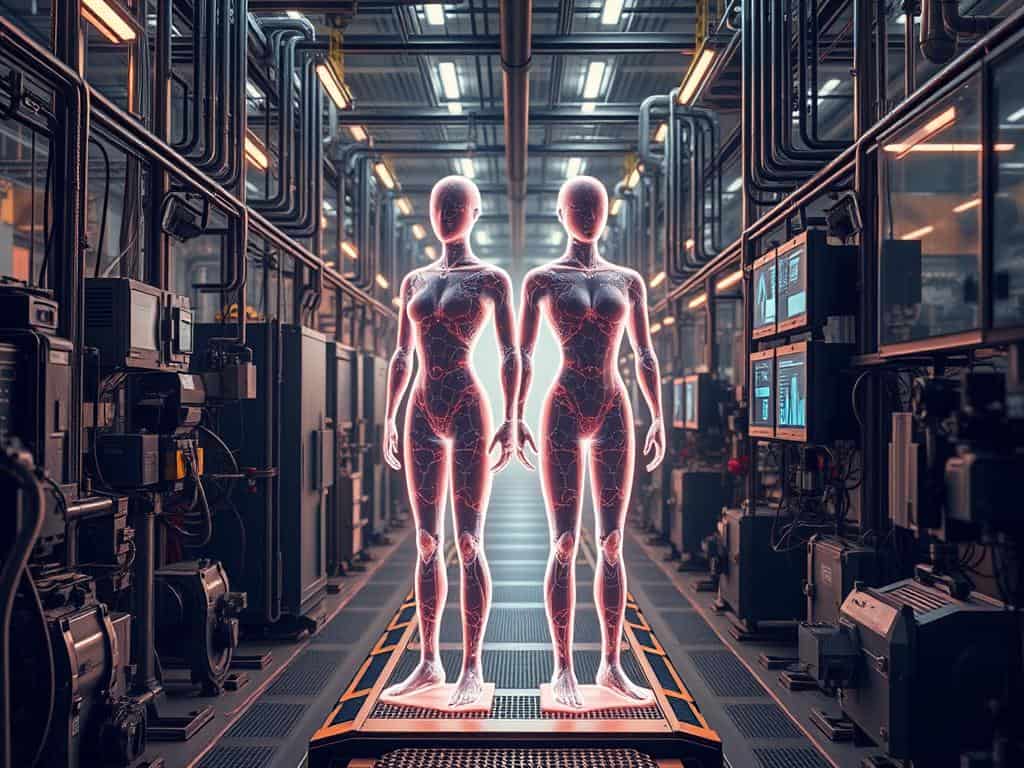
Did you know the global digital twins market is set to hit USD 73.5 billion by 2027? This huge growth shows how digital twins are changing many industries. Digital twins are virtual models that mimic real-world things in real-time. They help companies make their automation better than ever before.
By using IoT, simulation, and predictive maintenance, businesses can work smarter. They can cut down on equipment downtime and make production more efficient.
Digital twins started with NASA in the 1960s for space missions. Now, they’re used in many fields like manufacturing, healthcare, and even car design. Digital twins give companies deep insights into how they work. This helps them stay ahead in a tough market.
Key Takeaways
- The digital twins market is projected to grow to USD 73.5 billion by 2027.
- Digital twins reduce equipment downtime while increasing production efficiency.
- NASA originally pioneered digital twin technology during the 1960s.
- Key industries leveraging digital twins include manufacturing, healthcare, and urban planning.
- Predictive maintenance enabled by digital twins can reduce downtime by up to 30%.
- Integration of IoT and AI helps digital twins provide real-time data for informed decision-making.
- Digital twins play a critical role in improving design, operational systems, and lifecycle management.
Understanding Digital Twins and Their Development
Digital twins have become more popular for their role in boosting efficiency and making quick decisions. They are virtual models that mirror real objects. This lets companies use real-time data to improve performance and get predictive insights.
These systems are not just simulations. They are detailed digital copies that interact with the physical world. They use data from the real world to make decisions.
Definition and Functionality of Digital Twins
Digital twins work by connecting with IoT devices and sensors. This lets them monitor things like temperature and energy use in real-time. They use AI to analyze this data and make processes better.
This leads to better decisions based on data. It makes these decisions faster and more reliable.
Components Involved in Building Digital Twins
To understand digital twins, you need to know their parts. A digital twin has a physical object, a digital copy, and the tech for data integration. Sensors are key for getting the latest data from the physical model.
This data is vital for keeping the analytics accurate and reliable.
The Evolution of Digital Twin Technology
The idea of digital twins started in 2002 with Dr. Michael Grieves. The technology has grown a lot, now used in many fields like NASA. AI and machine learning have made digital twins even more important.
They are now key in areas like manufacturing, healthcare, and urban planning. Their ability to predict outcomes helps make things more efficient and innovative.
How Digital Twins Enhance Automation and Efficiency
Digital Twins are key in making industries more efficient. They offer real-time insights and virtual models. This helps companies improve their processes and make better decisions. Let’s look at three areas where Digital Twins make a big difference: predictive maintenance, product design, and supply chain management.
Predictive Maintenance Using Digital Twins
Digital Twins are great for predictive maintenance. They monitor equipment continuously, using data to predict failures. For example, Wärtsilä Voyage Services uses digital twins for training and to improve performance.
This approach cuts down on downtime and keeps operations running smoothly. It also saves money in the long run.
Streamlining Product Design and Development
Digital Twins make product design and development faster and cheaper. They allow for virtual testing of designs without physical prototypes. This saves money and speeds up the launch of new products.
Big names like BMW and Tesla use digital twins to perfect their designs. This ensures their vehicles work well before they’re made.
Optimizing Supply Chain and Operational Efficiency
Digital Twins also boost supply chain management. They create a digital model of logistics, giving real-time insights. This helps spot problems and improve efficiency.
For example, Foxconn uses sensors and cameras to create a virtual factory. This aims to cut energy use by over 30% a year. Using analytics for supply chain optimization leads to better resource use and logistics.
The Future of Digital Twins and Their Market Market Potentials
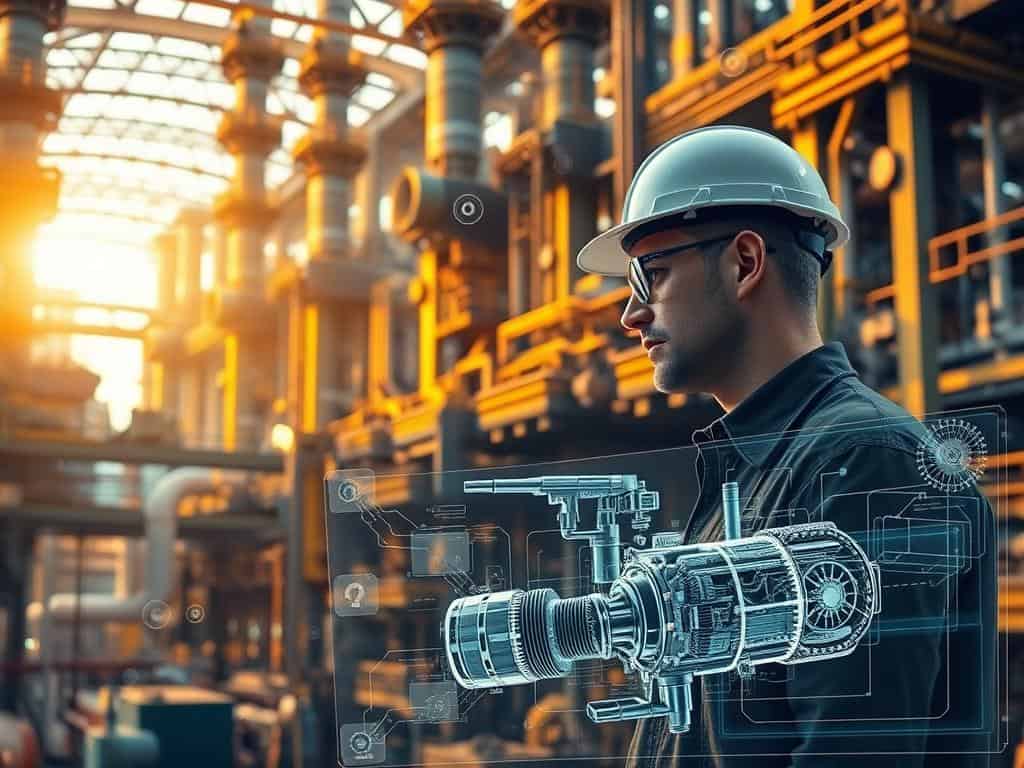
The digital twin market is set for rapid growth. As I dive deeper, I see the market’s value could jump from $11.82 billion in 2023 to $59.25 billion by 2028. This is a 38.04% annual growth rate, driven by more companies using digital twins.
IoT, AI, and machine learning are key to this growth. They help businesses use digital twins to improve their assets and work more efficiently.
Projected Growth in Digital Twin Adoption
The product digital twins segment is leading, making up over a third of the market. It’s expected to grow at a 40.78% CAGR from 2023 to 2028. This shows a big shift in how companies use data.
By 2025, 80% of manufacturers plan to use digital twins. This move aims to make production better and products higher quality.
Technological Advancements Driving Digital Twins
AI and machine learning are making digital twins more powerful. They help predict maintenance needs, making decisions easier. These technologies also make digital twins adapt quickly to changes.
In the future, these advancements will help businesses make smarter choices based on data.
Challenges in Implementing Digital Twins
While promising, implementing digital twins comes with challenges. Companies must deal with data security and integrating with old systems. The cost of starting up with IoT can also be a barrier for small businesses.
Creating strong governance is key to overcoming these hurdles. It will help unlock the full benefits of digital twins.
Conclusion
Digital twin technology is changing the game for many industries. It can make operations up to 30% more efficient and cut downtime by 50% through smart maintenance. This means big wins for businesses, from better decisions to higher quality products and lower costs.
Looking at trends, about 60% of manufacturers plan to use digital twins by 2025. This move could bring a 20-30% return on investment in the first year. Plus, there are tax credits that could cover up to 40% of costs, making it even more attractive.
In the end, using digital twins is key for businesses to stay ahead. This tech can make operations smoother, encourage new ideas, and even improve healthcare. As we move forward, tackling challenges will help unlock the full power of digital twins, changing how industries work.
