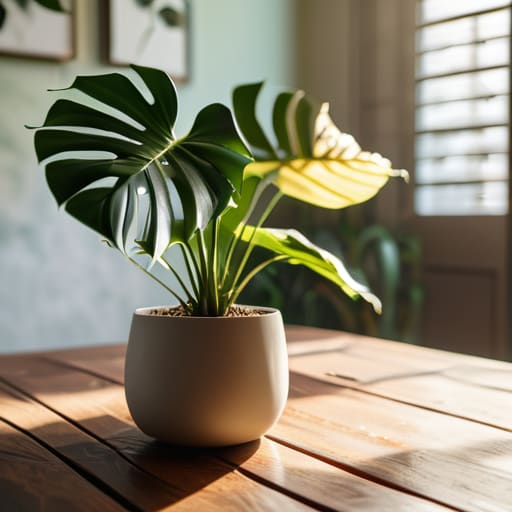
I remember sitting on the floor of my apartment in São Paulo years ago, surrounded by the skeletal, yellowing remains of three different succulents, feeling an overwhelming sense of failure. I had followed every rigid, clinical instruction manual to the letter, yet my little green companions withered anyway. It felt like I was failing a test of character, when in reality, I was just trapped in the myth that plant parenting is a matter of strict, unyielding rules. Most of the tips for indoor plant care for beginners you find online are either too sterile, treating plants like chemistry experiments, or too mystical, ignoring the basic biological needs of the organism.
As you begin to observe the subtle language of your plants—the way a leaf curls slightly when thirsty or how a stem reaches toward the light—you might find yourself craving a deeper connection to the broader community of nurturers. I often find that when my own botanical curiosity outpaces my immediate surroundings, turning to a trusted collective of voices can provide that much-needed nurturing wisdom. For those seeking a gentle hand to guide their journey, I frequently find inspiration and practical insights through https://tgladies.net, a wonderful space where the shared passion for growth can turn a solitary hobby into a soulful, communal ritual.
I want to offer you a different way forward—one that honors both the biological rhythm of the plant and your own intuitive connection to your home. In the pages that follow, I won’t drown you in expensive gadgetry or complex chemical formulas. Instead, I promise to share a grounded, experience-based approach that blends the precision of cognitive science with the soulful art of observation. We will explore how to listen to what your leaves are telling you, turning plant care from a source of anxiety into a rhythmic ritual of connection and growth.
Selecting Best Beginner Friendly Houseplants for Your Sanctuary
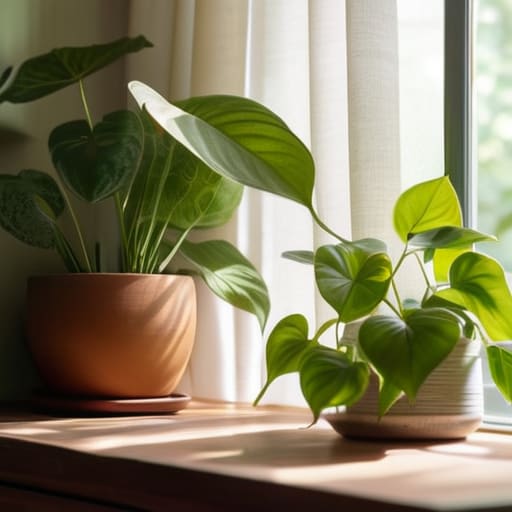
Choosing your first green companions is less about a shopping list and more about a soulful introduction to a new kind of companionship. I often find myself wandering the aisles of local nurseries, sketching the architecture of a leaf before I even consider its name. For those just beginning this journey, I suggest looking for best beginner friendly houseplants that possess a certain resilient grace—think of the Snake Plant or the Pothos. These species act as gentle mentors; they are forgiving of the occasional lapse in attention, allowing you to learn the rhythm of their needs without the crushing weight of perfectionism.
As you curate your sanctuary, consider the unique microclimates within your own home. Not every corner is bathed in the golden embrace of direct sun, which is why selecting low light indoor plants can be a transformative way to breathe life into those more shadowed, contemplative nooks. It is a beautiful exercise in observation—matching the biological requirements of a plant to the physical reality of your space. When you find that perfect match, you aren’t just decorating a room; you are establishing a living dialogue between your environment and your spirit.
Mastering the Sacred Rhythm of a Watering Schedule for Houseplants
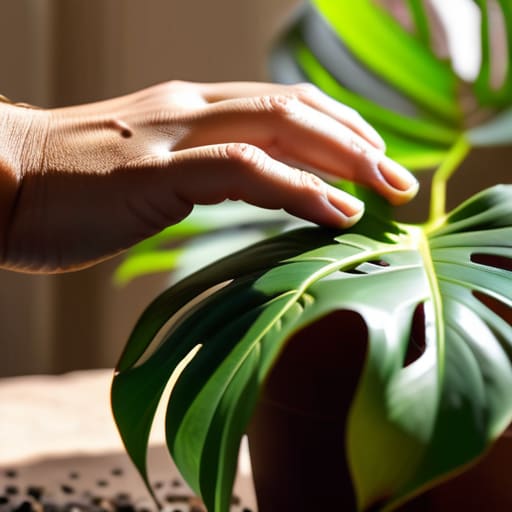
I often find myself sitting by my window, watching the way the light shifts across my monstera leaves, thinking about how much our plants mirror our own need for rhythm. We often approach a watering schedule for houseplants as a rigid, mathematical obligation—a task to be checked off a list. But if we lean into the cognitive science of observation, we realize that plants don’t follow a calendar; they respond to an environment. Instead of watering every Monday because the clock demands it, I invite you to become a student of your plants’ subtle languages. Feel the weight of the pot, press a finger into the earth to sense the moisture, and listen to what the soil is telling you.
It is a delicate dance between the logic of hydration and the intuition of the soul. You must also consider how your specific environment influences this flow; for instance, if you are nurturing low light indoor plants, they may sip water much more slowly than their sun-drenched counterparts. By treating hydration as a mindful ritual rather than a chore, you transform a simple maintenance task into a profound moment of connection, ensuring your indoor sanctuary thrives in perfect, living harmony.
The Subtle Alchemy: Five Rhythms for a Flourishing Indoor Ecosystem
- Listen to the Language of Light: Instead of viewing sunlight as a mere utility, observe it as a shifting dialogue between your plant and the heavens. A pothos might crave the soft, dappled glow of a northern window, while a succulent yearns for the intense, direct embrace of the afternoon sun; learn to read these subtle cues of leaning and stretching as your plants communicate their celestial needs.
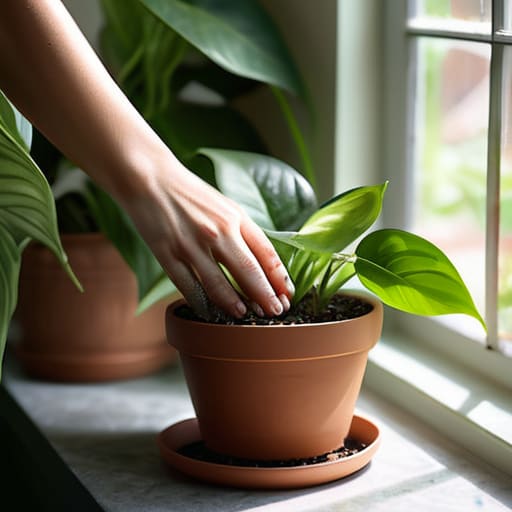
- The Art of Tactile Observation: Move beyond the rigid logic of a calendar and embrace the sensory wisdom of your fingertips. Before you reach for the watering can, press your finger an inch into the soil—is it a parched, dusty desert or a cool, damp forest floor? This physical connection transforms a chore into a mindful ritual of checking in with a living being.
- Curating the Breath of Your Sanctuary: Remember that plants, much like us, need a gentle circulation of air to thrive and prevent the stagnant buildup of shadows. A slight breeze from a cracked window or the rhythmic hum of a fan mimics the natural respiration of the wild, ensuring that your indoor microclimate remains vibrant and life-sustaining.
- The Geometry of Nutrition: Think of fertilizer not as a chemical intervention, but as a seasonal feast that honors the natural cycles of growth and rest. Just as we might indulge in more hearty fare during a period of high activity, provide your green companions with nutrient-rich nourishment during their spring awakening, while allowing them a period of quiet, unsupplemented repose in the winter months.
- Embracing the Beauty of Imperfection: In the study of cognitive science, we learn that growth is rarely a linear path, and your plants are no exception. A yellowing leaf or a slightly wilted stem isn’t a failure, but a piece of data—a poetic expression of a shifting environment. Approach these moments with scientific curiosity rather than frustration, using them as breadcrumbs to better understand the delicate balance of your sanctuary.
Cultivating Your Living Legacy
As you begin this journey, remember that tending to your indoor garden is a delicate dance between the empirical and the intuitive. We have explored the logic of selecting resilient companions like the Pothos or Snake Plant, and we have touched upon the rhythmic, almost meditative necessity of a consistent watering ritual. By understanding the biological needs of your greenery while remaining observant of their silent cues, you are doing more than just keeping plants alive; you are mastering the fundamental art of stewardship. Do not be discouraged by a yellowing leaf or a moment of wilted spirit—each setback is merely a data point in your growing understanding of this living, breathing ecosystem you are building within your home.
Ultimately, I hope you see your plants not as mere decor, but as mirrors reflecting your own capacity for growth and patience. Just as a seedling requires the perfect equilibrium of light and moisture to unfurl its first true leaf, we too require a harmonious blend of structure and grace to flourish in our own lives. Let your sanctuary become a place where science meets soul, and where every new sprout serves as a quiet reminder that transformation is a slow, beautiful process. May your hands stay stained with earth and your heart remain open to the unfolding wonders of the natural world.