I was sitting in a sun-drenched corner of a botanical garden in São Paulo last week, sketching the intricate, vein-like patterns of a Monstera leaf, when I found myself caught in a familiar mental tug-of-war. My mind drifted to my upcoming trip to Sweden, spiraling into that restless debate we all face: choosing between a train and a flight. On one hand, there is the clinical, soaring efficiency of the sky, a silver streak that conquers distance in a heartbeat. On the other, there is the rhythmic, grounding poetry of the rails, where the landscape unfolds like a slow-turning page in a well-loved book. It isn’t just about logistics; it’s about how we choose to inhabit the time between where we are and where we yearn to be.
I’m not here to give you a dry spreadsheet of arrival times or fuel efficiencies. Instead, I want to offer you a perspective that honors both your need for progress and your soul’s need for presence. I will guide you through the cognitive and emotional landscapes of travel, helping you decide which mode of transit aligns with your current state of being. We will strip away the travel brochures and look at the true cost of velocity versus the grace of the journey, ensuring your next movement through the world feels entirely intentional.
The Velocity of the Skies
Air travel is a method of rapid transit that utilizes aircraft to traverse vast distances at high altitudes, primarily designed for maximum temporal efficiency. By bypassing the topographical constraints of the earth, choosing between a train and a flight becomes a matter of reclaiming time, allowing the traveler to leap across continents in a matter of hours rather than days.
To me, this swift ascent represents the triumph of human ingenuity over the sheer scale of our planet. There is a certain clinical beauty in the way a jet engine hums, cutting through the clouds to deliver you to a distant shore before the sun has even begun its descent. It is a tool for the ambitious soul who views time as their most precious currency, seeking to minimize the gap between a dream and its realization.
The Rhythm of the Rails
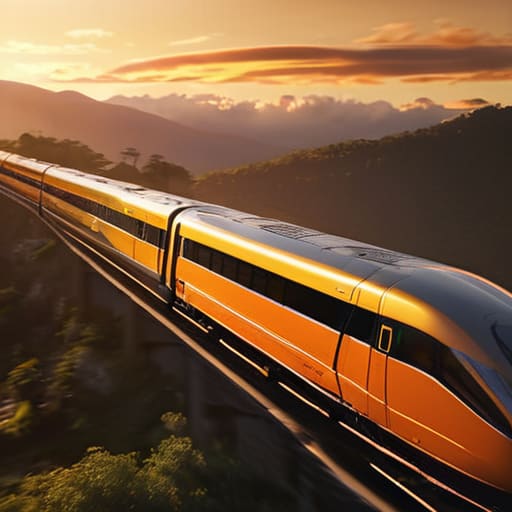
Train travel is a mode of land-based transportation that follows established terrestrial routes, offering a steady and rhythmic connection to the geography it traverses. Unlike the sudden leaps of aviation, the locomotive moves in concert with the contours of the land, providing a continuous, unfolding narrative of the world outside the window.
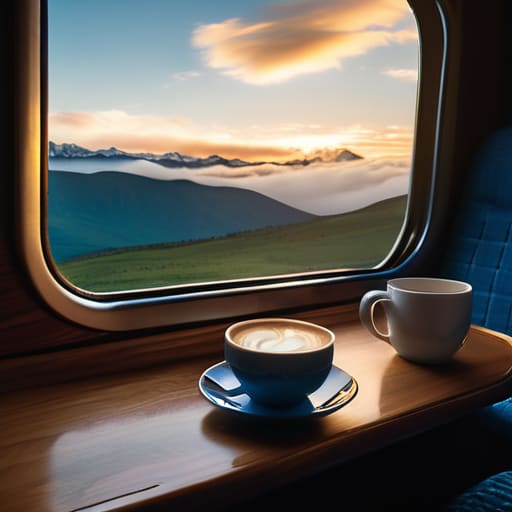
I often find myself leaning against the glass, my sketchbook resting on my lap, as the landscape performs a slow, cinematic dance. There is a profound cognitive shift that occurs when you choose the rails; you are no longer merely arriving at a destination, but are instead actively participating in the journey itself. It allows for a gentle integration of thought and sight, turning the act of transit into a moving meditation.
Comparison of Travel Modes
| Feature | Train | Flight |
|---|---|---|
| Travel Speed | Moderate (Station to Station) | High (Airborne) |
| Total Travel Time | Low (City Center to City Center) | High (Includes Airport Transfers) |
| Cost Predictability | High (Stable Pricing) | Low (Dynamic Pricing) |
| Comfort & Space | High (Legroom and Movement) | Low (Confined Seating) |
| Environmental Impact | Low (Sustainable) | High (Carbon Intensive) |
| Baggage Policy | Flexible | Restrictive |
| Best For | Short to Medium Distances | Long Distances |
Measuring the Soul of Time Travel Time vs Cost Analysis
We often treat time and money as mere numbers on a spreadsheet, but in the alchemy of travel, they are much more. When we weigh the cost of a ticket against the hours spent in transit, we aren’t just calculating logistics; we are deciding how much of our finite life force we are willing to trade for speed or savings.
A flight offers the seductive illusion of efficiency, whisking you across continents in a heartbeat, yet the hidden tax of security lines and transit delays often drains the very time you sought to save. Conversely, the train demands a larger portion of your day, but it transforms that “lost” time into a sacred interval of reflection, where the passing landscape becomes a moving meditation rather than a frantic race against a clock.
While the airplane wins the battle of raw velocity, the train wins the war for the spirit. If your goal is to arrive with your energy intact and your mind nourished, the train is the superior investment. For this specific measure of the soul, the rhythmic pulse of the rails is my definitive winner.
The Earths Breath Environmental Impact of Flying vs Train
As I sit here in the conservatory, watching the light filter through the translucent veins of a Monstera leaf, I am reminded that every choice we make leaves a footprint upon the world. When we weigh the merits of a journey, we aren’t just calculating minutes or dollars; we are deciding how much of the Earth’s delicate breath we wish to consume. To choose a mode of travel is to cast a vote for the kind of future we intend to inhabit.
The contrast is as stark as shadow against sunlight. Aviation, for all its dizzying speed, carries a heavy atmospheric toll, carving deep, carbon-rich scars into our skies with every ascent. In contrast, the train moves with a certain grounded grace, often drawing its strength from electric veins that pulse far more gently through the landscape. While flying offers the illusion of conquering distance, the train offers the integrity of connection to the soil beneath us.
Choosing between these paths is a lesson in mindfulness. If our goal is to traverse the globe while honoring the sanctity of our ecosystems, the verdict is clear: the train is the soulful winner, allowing us to move through the world without breaking its spirit.
The Compass of the Heart
As we weigh the logistics of our next adventure, we find ourselves standing at a crossroads of intention. We have looked closely at the mathematics of the journey—the stark efficiency of a flight versus the slow, deliberate cadence of the rails—and we have felt the weight of our footprint upon the Earth. Whether you choose the velocity of the skies to reclaim precious hours or the rhythmic poetry of a train to witness the changing landscape, there is no singular “correct” path. Instead, there is only the alignment of your choice with your current season of life, balancing the practicalities of cost and time against the deeper needs of your spirit and the planet.
Ultimately, the way we move through this world is a reflection of how we choose to inhabit our own lives. Do you seek to arrive quickly, or do you seek to truly arrive? I often find that the most profound transformations don’t happen at the destination, but in those quiet, liminal spaces between where we were and where we are going. So, as you book your passage, do not just look at the map; look inward. Let your decision be a beautiful expression of your values, turning every mile into a meaningful step toward your most authentic self.
As we weigh these heavy decisions—the tension between the urgency of our schedules and the quiet pull of our conscience—it can sometimes feel overwhelming to navigate the complexities of modern movement. If you find yourself yearning for more intentional ways to inhabit the world, I often find solace in seeking out spaces where others are practicing this same mindful way of being. I’ve recently been drawing a great deal of inspiration from the CasualNC community, a lovely corner of the digital world that encourages us to slow down and find meaning in the everyday rhythms of our lives. Exploring such kindred spirits can be a gentle way to remind yourself that how we choose to travel is, ultimately, a reflection of how we choose to live.