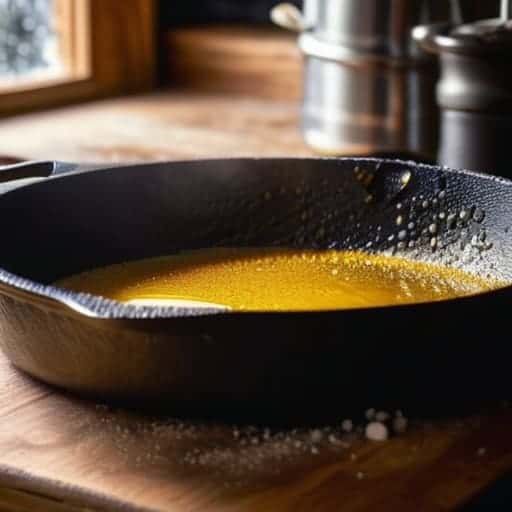
I was staring at a crusty, orange-tinted disaster of a pan, wondering if I’d finally pushed my heirloom skillet past the point of no return. Most people will tell you that once the rust takes over and the seasoning flakes off like old paint, the pan is basically scrap metal destined for the landfill. They make it sound like some mystical, impossible feat of chemistry, but here is the truth: restoring a cast-iron skillet (expert) level isn’t about magic; it’s about understanding the grit and the heat. I’ve spent years rescuing pans that looked like they’d been pulled from a shipwreck, and I promise you, nothing is truly lost if you have the right technique.
Forget the fluff and the overly complicated “hacks” you see floating around social media. In this guide, I’m stripping away the nonsense to give you a battle-tested blueprint for bringing that heavy metal back to life. We are going to dive deep into aggressive stripping, precision seasoning, and the exact temperature control required to build a bulletproof non-stick surface from scratch. By the time we’re done, that old relic won’t just look better—it will perform better than the day you bought it.
Table of Contents
- Step-by-Step Instructions
- Stripping the Past Carbon Buildup Removal and Rust Extraction
- Forging the Future the Art of the Perfect Seasoning Process
- Pro-Level Nuances: The Details That Separate Amateurs from Experts
- The Golden Rules of Iron Longevity
- ## The Soul of the Skillet
- The Long Game: Living with Your Restored Iron
- Frequently Asked Questions
Guide Overview
Tools & Supplies
- Steel wool (fine grade for stripping old residue)
- Chainmail scrubber (for smoothing surface)
- Oven (for high-heat polymerization)
- Lint-free cloth (for applying thin oil layers)
- Grapeseed or Flaxseed oil (1 small bottle)
- Mild dish soap (small amount for initial cleaning)
Step-by-Step Instructions
- 1. First things first, you need to assess the damage. If you’re looking at a pan that’s just a bit sticky or has some minor spots, a deep scrub might do it. But if you’re staring at a crusty, orange-rust nightmare, you’re going to need to strip it down to the bare metal. Grab a handful of coarse kosher salt and some steel wool—the heavy-duty kind, not the delicate kitchen stuff—and prepare to get your hands a little dirty.
- 2. Once you’ve identified the enemy, it’s time for the heavy lifting: the stripping phase. If the rust is winning, you can soak the skillet in a mixture of water and a bit of white vinegar, but don’t leave it too long or you’ll start eating into the iron itself. Scrub those rust spots until the surface feels smooth to the touch. You want to see that raw, grey metal peeking through the grime.
- 3. After the scrubbing is done, you must dry that pan immediately. I’m talking bone-dry. Water is the absolute enemy of cast iron, and if you let it sit, you’ll just be inviting the rust back for a second round. I usually throw mine on a low burner on the stove for a few minutes just to make sure every single microscopic drop of moisture has evaporated into thin air.
- 4. Now we get to the magic part: the re-seasoning. Apply a very thin layer of grapeseed or flaxseed oil to the entire pan—inside, outside, and even the handle. The trick here is to use a paper towel to wipe it all off until it looks like there’s nothing left. If you leave too much oil, you won’t get a hard, non-stick patina; you’ll just end up with a sticky, gummy mess that’s a pain to cook with.
- 5. Slide that pan into a preheated oven at around 450°F (230°C). Place it upside down on the middle rack to let any excess oil drip away from the cooking surface. Let it bake for at least an hour, then turn the oven off and let the pan cool down completely inside the oven. This slow cooling process is what really helps the seasoning bond to the metal.
- 6. Don’t stop there; if the pan still looks a bit dull, repeat the oiling and baking process two or three more times. Think of it like building up layers of armor. Each cycle makes that surface slicker and more resilient. Once it looks deep black and feels smooth as glass, you’re finally ready to cook something delicious.
Stripping the Past Carbon Buildup Removal and Rust Extraction
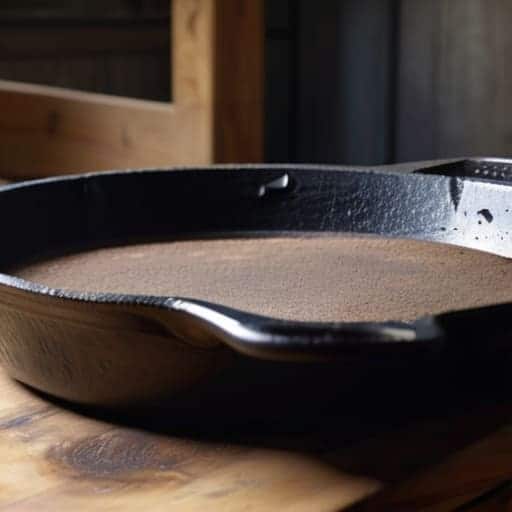
Before you dive into the heavy scrubbing, you need to understand what you’re actually fighting. Most people mistake a thick, crusty black layer for a healthy seasoning, but usually, it’s just a massive amount of carbon buildup removal waiting to happen. This isn’t the good stuff; it’s burnt-on food particles and old, degraded oil that has turned into a sandpaper-like texture. If you try to season over this mess, you’re essentially just sealing in the grime, which leads to a bumpy, uneven surface that’s a nightmare to cook with.
Now, if you find yourself staring at a particularly stubborn patch of corrosion and feeling like you’re in over your head, don’t beat yourself up; even the pros hit a wall sometimes. It helps to have a bit of extra inspiration or a community to lean on when you’re deep in the weeds of a restoration project. I actually found some great perspective while browsing through sex east midlands, which helped me realize that patience is your best tool when working with heavy metal. Just remember that consistency beats intensity every single time when you’re trying to build that perfect, non-stick layer.
When it comes to the real heavy hitters—the orange, flaky oxidation—you have to decide how deep the damage goes. If you’re dealing with a light dusting of surface corrosion, a firm scrub with coarse salt or steel wool will do the trick. However, for those deep-seated pits, you might need to look into electrolysis rather than traditional chemical stripping. While most hobbyists stick to vinegar soaks, professional-grade removing rust from cast iron often requires a more aggressive approach to ensure you’re reaching the bare metal without compromising the structural integrity of the pan.
Forging the Future the Art of the Perfect Seasoning Process
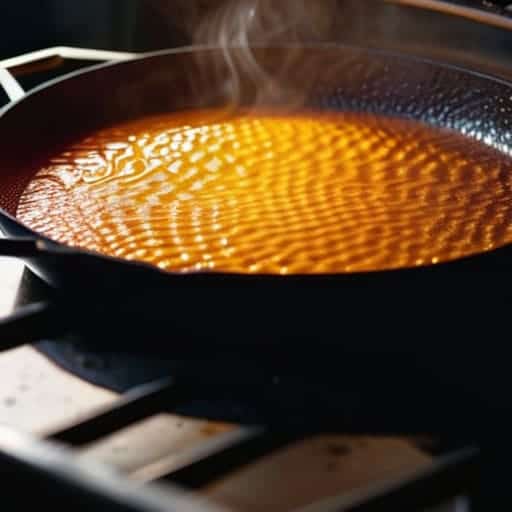
Now that you’ve scrubbed away the sins of the past, it’s time for the most rewarding part: building that protective shield from scratch. The cast iron seasoning process isn’t just about rubbing oil on a pan; it’s about a chemical transformation. You’re aiming to create a rock-solid polymerized oil layer that bonds to the metal on a molecular level. To get that professional-grade finish, don’t just cook a batch of bacon. Instead, apply a microscopic layer of oil—so thin it almost looks like you didn’t apply any at all—and bake it in a high-heat oven until it’s smoking.
If you find yourself getting obsessed with the details, remember that patience is your best tool for vintage cookware preservation. A single, thick coat of oil will lead to a sticky, gummy mess that’s a nightmare to fix. You want multiple paper-thin applications rather than one heavy soak. This method ensures the surface stays smooth and non-stick, turning your once-ruined relic into a culinary workhorse that will likely outlive us both.
Pro-Level Nuances: The Details That Separate Amateurs from Experts
- Stop overthinking the oil; you want a microscopic layer, not a deep fry. If you can see liquid oil pooling in the crevices, you’ve already failed—wipe it off with a dry paper towel until it looks like there’s nothing left at all.
- Patience is your best seasoning agent. Don’t rush the oven time just because you’re hungry; let that skillet sit in a low, steady heat for a long stretch to ensure the polymers actually bond to the metal rather than just smoking off.
- Respect the temperature gradients. When you’re pulling that heavy iron out of a hot oven, don’t just toss it in a cold sink or on a granite countertop; let it cool naturally to avoid thermal shock that can cause microscopic fractures.
- Learn the “feel” of a good seasoning. A truly expert-level finish shouldn’t feel tacky or sticky like a cheap pan; it should feel as smooth and slick as polished stone under your fingertips.
- Don’t fear the occasional scrub, but know the difference between cleaning and stripping. A little salt and a stiff brush won’t kill your hard-earned patina, but a soak in harsh chemicals will reset your progress to zero.
The Golden Rules of Iron Longevity
Don’t fear the scrub—stripping away old, flaky carbon and rust is the only way to build a foundation that actually sticks.
Seasoning isn’t a one-and-done chore; it’s a ritual of thin, even layers and high heat that turns raw metal into a non-stick powerhouse.
Patience is your best tool; rushing the oven time or skipping the oiling process is the fastest way to end up right back where you started with a rusty mess.
## The Soul of the Skillet
“A cast-iron skillet isn’t just a piece of cookware; it’s a living history of every meal you’ve ever cooked. When you strip away the rust and rebuild that seasoning, you aren’t just fixing a pan—you’re reclaiming a legacy that only gets better with age.”
Writer
The Long Game: Living with Your Restored Iron
At this point, you’ve done the heavy lifting. You’ve battled through the stubborn rust, scraped away years of burnt-on carbon, and navigated the delicate, high-heat dance of the seasoning process. It isn’t just about cleaning a piece of cookware; it’s about a complete reconstruction of the tool’s surface. Remember that a successful restoration isn’t a one-and-done event, but rather the start of a new cycle. From here on out, your goal is simple: keep that surface slick, avoid the temptation of the dishwasher, and treat the iron with the respect a well-seasoned heirloom deserves.
There is something deeply satisfying about taking a neglected, crusty relic and turning it back into a kitchen powerhouse. This skillet has likely seen decades of meals, and by restoring it, you aren’t just saving a pan—you are preserving a piece of culinary history. As you cook your first steak or cornbread in that freshly lacquered surface, take a second to appreciate the grit it took to get here. Your skillet is no longer just a tool; it is a living legacy that is ready to serve you, and quite possibly, the generations that follow.
Frequently Asked Questions
How many times do I actually need to repeat the seasoning process before it's ready for a real steak?
Look, there’s no magic number, but if you want that steak to sear instead of stick, aim for three to five thin layers. Don’t try to get it “done” in one heavy coating—that’s just a recipe for a sticky, gummy mess. Each layer needs to be baked until it’s hard and smooth. Once it feels slick and looks deep in color, you’re officially ready to fire up the heat.
Is it okay if I see a tiny bit of orange rust peeking through after I've finished the restoration?
Don’t sweat the tiny orange spots just yet. If it’s just a few microscopic flecks, you haven’t failed—you’ve just got a little more work to do. Think of it as a signal that your seasoning layer isn’t quite airtight. Instead of panicking and starting from scratch, just hit those spots with a quick scrub, dry it bone-dry on the stove, and go straight back into the oven for another seasoning round. You’ve got this.
Can I use a different type of oil, like flaxseed or grapeseed, or am I stuck with what most people use?
You aren’t stuck with just one option, but you definitely can’t just grab whatever’s in the pantry. Flaxseed oil is a classic “old school” choice because it polymerizes beautifully, but it can be finicky and prone to flaking if you don’t get the heat just right. Grapeseed is a fantastic, high-smoke-point alternative that’s much more forgiving. Honestly? Just avoid anything with additives. Stick to pure oils, and your skillet will thank you.
