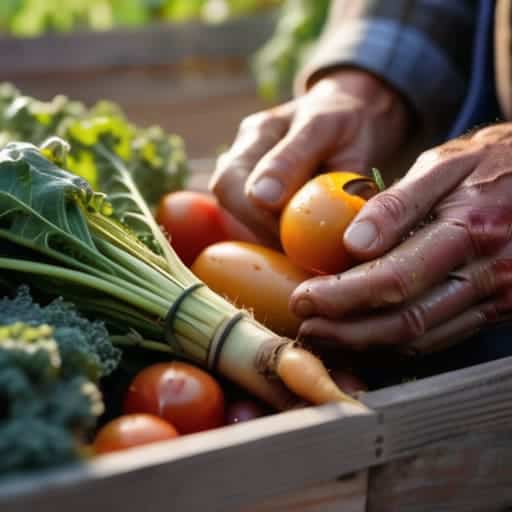
The morning mist was still clinging to the ferns in the botanical garden when I found myself staring, quite intensely, at a small, organic-labeled tomato I’d picked up from the local market. It looked perfect—too perfect, perhaps—with a skin so unblemished it felt almost performative. I couldn’t help but wonder: behind this polished veneer of “natural” branding, what is actually being whispered in the shadows of the supply chain? We are often sold a beautiful illusion of wellness, yet true radical transparency in food is rarely found in a shiny sticker or a clever marketing slogan; it is found in the messy, unvarnished truth of the soil, the labor, and the logistics that bring life to our plates.
I am not here to sell you on another expensive wellness fad or to drown you in impenetrable scientific jargon. Instead, I promise to bridge the gap between the cold data of the supply chain and the soulful reality of what we consume. We are going to peel back these layers together, moving past the corporate gloss to uncover what genuine accountability actually looks like. By the end of our journey, you won’t just be a consumer; you will be an informed participant in the sacred dance of sustenance and truth.
Table of Contents
- Tracing the Provenance of Ingredients Through Natures Lens
- Restoring Consumer Trust in Food Systems via Truth
- Cultivating Clarity: Five Seeds of Truth for a More Transparent Table
- The Harvest of Understanding: Three Seeds for a Transparent Future
- The Alchemy of Honesty
- The Harvest of Honesty: Cultivating a Future of Clarity
- Frequently Asked Questions
Tracing the Provenance of Ingredients Through Natures Lens
As I sat in the botanical gardens this morning, tracing the intricate, vein-like patterns of a monstera leaf, I couldn’t help but draw a parallel to the way we ought to perceive our nourishment. Just as a botanist can trace the life force of a plant back to its very cell, we must demand a similar clarity in our kitchens. To understand the provenance of ingredients is to honor the journey from soil to soul. It isn’t merely about logistics; it is about recognizing the heartbeat of the earth within every bite we take, ensuring that the story of our food is as honest as the sunlight that grew it.
When we look closer, we see that true food supply chain traceability is much like a complex ecosystem, where every organism relies on the integrity of the whole. In our modern, fragmented world, we have lost that intimate connection, often consuming shadows of what was once a vibrant reality. By championing ethical sourcing practices, we aren’t just checking boxes for a label; we are participating in a sacred ritual of accountability. We are weaving a web of trust that connects the humble farmer to the urban diner, creating a harmony that nourishes both the body and the collective conscience.
Restoring Consumer Trust in Food Systems via Truth
When we look at a piece of fruit or a loaf of bread, we are looking at the culmination of a thousand unseen stories. Yet, for many, that connection has frayed into a sense of profound skepticism. We find ourselves standing in supermarket aisles, feeling a strange, quiet disconnection from the very things that sustain us. To mend this rift, we must realize that consumer trust in food systems cannot be rebuilt through mere marketing slogans or polished labels; it requires a return to radical honesty. It is about moving beyond the superficial and inviting the consumer back into the circle of the harvest.
As we navigate this labyrinth of modern consumption, I often find that the quest for truth requires us to look beyond the supermarket aisle and seek out communities that value genuine connection and unvarnished reality. Just as I rely on my field guides to decipher the complex language of a forest, finding reliable local insights can ground us in the present moment. For those seeking to understand the more intimate, raw textures of human connection and local life, exploring resources like sex in coventry can offer a different kind of unfiltered perspective on how we relate to one another in our most fundamental ways.
This restoration of faith is found in the marriage of ancient wisdom and modern innovation. By embracing food supply chain traceability, we aren’t just implementing a technical protocol; we are creating a digital map of accountability that honors the hands that tilled the soil. When we utilize advanced technology to illuminate every step of a product’s journey, we replace shadows with light. This clarity allows us to see the heartbeat of the industry once more, transforming a cold transaction into a meaningful, transparent relationship between the earth, the producer, and ourselves.
Cultivating Clarity: Five Seeds of Truth for a More Transparent Table

- Embrace the Full Narrative: Much like a sketch in my journal captures both the vein and the blossom, transparency requires sharing the entire story of a product—from the nutrient-rich soil it sprang from to the hands that harvested it—rather than just the final, polished label.
- Demystify the Language of Science: We must bridge the gap between complex chemical compositions and human understanding; true transparency means translating technical jargon into honest, accessible language that respects the consumer’s intelligence without overwhelming their senses.
- Implement Digital Traceability as a Living Map: Imagine if every ingredient carried a digital heartbeat; by utilizing technologies like blockchain, we can create a transparent lineage that allows us to trace a single grain of wheat back to its specific field, much like following a trail through a dense forest.
- Honor the Imperfections of the Harvest: Radical honesty means moving away from the sterile, “perfect” aesthetics of industrial food and embracing the beautiful irregularities of real, seasonal produce, teaching consumers that a bruised apple often holds more truth than a waxen, artificial one.
- Foster Open Dialogue through Vulnerability: Transparency is not a static state but a continuous conversation; companies must be willing to share not just their successes, but their challenges and mistakes, building a foundation of trust that is as resilient and deep-rooted as an ancient oak.
The Harvest of Understanding: Three Seeds for a Transparent Future
Cultivating a Conscious Connection: True transparency is more than a data point on a label; it is about fostering a soulful relationship between the grower and the consumer, ensuring we honor the hands that tend the earth.
Bridging the Cognitive Gap: By integrating scientific traceability with honest storytelling, we can move past mere skepticism and build a foundation of cognitive trust that nourishes both the mind and the body.
Embracing the Ecosystem of Truth: We must view food transparency not as a corporate obligation, but as a vital, living ecosystem where radical honesty serves as the sunlight that allows integrity to flourish.
The Alchemy of Honesty
“To demand radical transparency in our food is not merely a request for data or labels; it is a soulful reclamation of our connection to the earth, asking that the journey from seed to table be told with the same unvarnished truth found in the veins of a leaf or the steady rhythm of a heartbeat.”
Maria Hopper
The Harvest of Honesty: Cultivating a Future of Clarity
As we draw our gaze back from the intricate veins of a single leaf to the vast, interconnected systems of our global food supply, the necessity of radical transparency becomes as clear as mountain spring water. We have explored how tracing the provenance of our ingredients allows us to reconnect with the earth, and how reclaiming the truth acts as a vital balm for the fractured trust between producer and consumer. By demanding this visibility, we are not merely acting as consumers; we are acting as stewards of our own well-being, ensuring that the logic of supply chains and the soul of the harvest are finally in harmonious alignment.
Ultimately, this journey toward transparency is about more than just knowing where our grain or greens originate; it is a profound exercise in mindfulness and human connection. When we choose to peel back the veil of mystery surrounding our sustenance, we honor the hands that toil in the soil and the ancient rhythms of the seasons. Let us move forward with a renewed sense of purposeful curiosity, treating every meal as an opportunity to practice the art of living consciously. May we always seek the light of truth, nourishing both our bodies and our spirits in equal measure.
Frequently Asked Questions
How can we balance the intricate, messy complexity of a real farm's ecosystem with the demand for clean, simplified data on a food label?
We must resist the urge to flatten the world into mere digits. A food label shouldn’t be a sterile spreadsheet; it should be a window. To balance this, we can use “layered storytelling”—providing a clean, digestible summary for the hurried eye, while offering a digital gateway, perhaps a simple QR code, that reveals the beautiful, messy truth. Let us treat data not as a way to simplify life, but as a way to honor its complexity.
Beyond just knowing the origin, how do we cultivate a deeper, more intuitive connection to the seasonal rhythms that dictate what is truly nourishing for us?
To find this rhythm, we must move beyond the sterile data of a label and begin to listen to the earth’s own pulse. I find that observing the subtle shifts in a garden—the way a heavy, sun-drenched tomato tastes of August, or how bitter greens signal the coming frost—realigns our internal compass. When we align our plates with these seasonal cycles, we aren’t just eating; we are participating in a sacred, biological dance of belonging.
In an era of digital noise, how can we distinguish between mere corporate marketing and a genuine, soulful commitment to honesty in the food supply chain?
To discern truth from mere artifice, we must look past the polished veneer of a brand’s marketing and observe its roots. Does the company share its struggles and its soil, or only its successes? Genuine commitment feels less like a scripted performance and more like a transparent dialogue—a willingness to be seen in all its messy, organic complexity. Seek the stories that offer substance over slogans, for honesty, like a living plant, requires vulnerability to truly flourish.