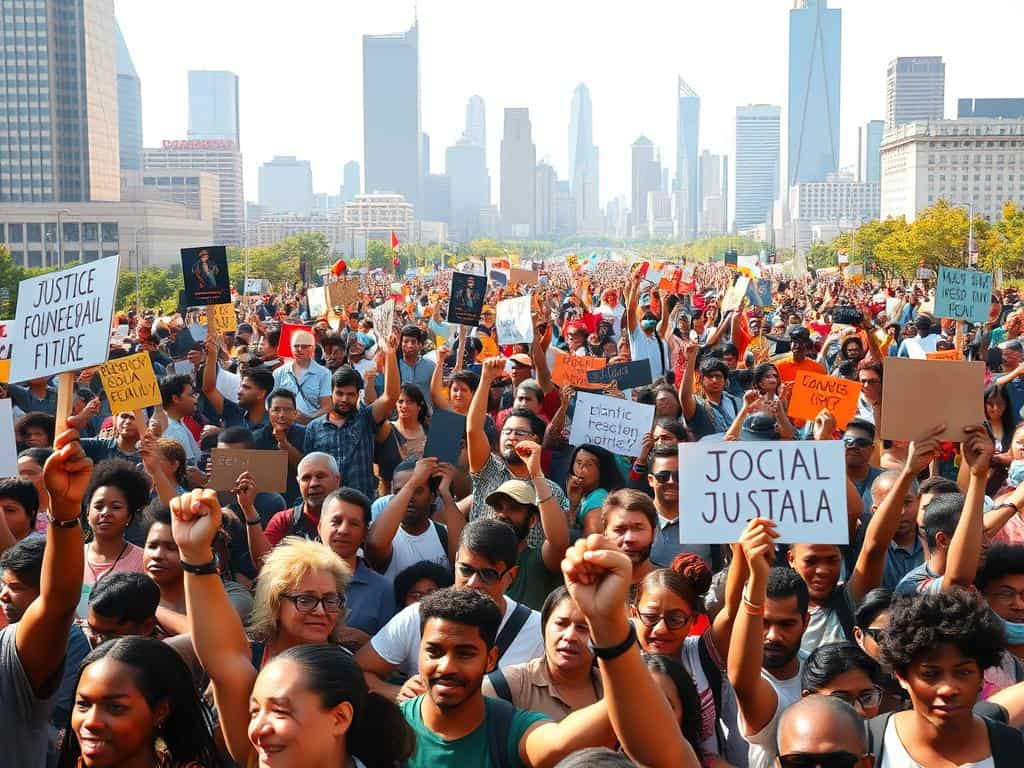
Did you know we’re celebrating the 60th anniversary of the 1964 Civil Rights Act? This event is more than just a date. It shows the ongoing battle for racial equality and justice in America. Over sixty years, the fight against unfair systems has grown stronger, but it’s as important as ever.
The President’s Commission on Law Enforcement and Administration of Justice in 1965 found big racial gaps in the justice system. This shows how hard it is to reach a fair society. I think it’s key to understand how civil rights have changed our views on diversity and inclusion. Racial equality is not just a goal; it’s a journey towards fairness for everyone.
Key Takeaways
- The 1964 Civil Rights Act marks a significant milestone in the fight for racial equality.
- Systemic discrimination in the justice system has been a critical focus, highlighted by the 1965 Commission report.
- The civil rights movement has influenced reforms in public defense and sentencing practices.
- Recent surveys indicate heightened concerns about racial tensions in America.
- Efforts to dismantle diversity and inclusion initiatives are becoming increasingly prevalent.
- Changes in policies related to race education highlight ongoing struggles for equitable discourse.
- Modern movements continue to advocate for accountability and justice in the legal system.
The Importance of Racial Equality in Today’s Society
Racial equality is key to a fair and just society. It affects areas like education, healthcare, and jobs. We must understand these issues deeply.
Understanding Racial Inequities
In many places, racial inequities lead to big problems. For example, in King County, Washington, there’s a 10-year life expectancy gap. This gap shows how racism affects life quality for some groups.
Institutional racism favors White people, causing big gaps in education and jobs. This is unfair and hurts many.
Public Perceptions of Progress
How people see progress in equality matters a lot. Despite some advances, the racial wealth gap is huge. White people have much more wealth than people of color.
This gap shows old injustices and our ongoing fight for equality. We need to use the right strategies to help everyone. Understanding the difference between diversity and inclusion is also key.
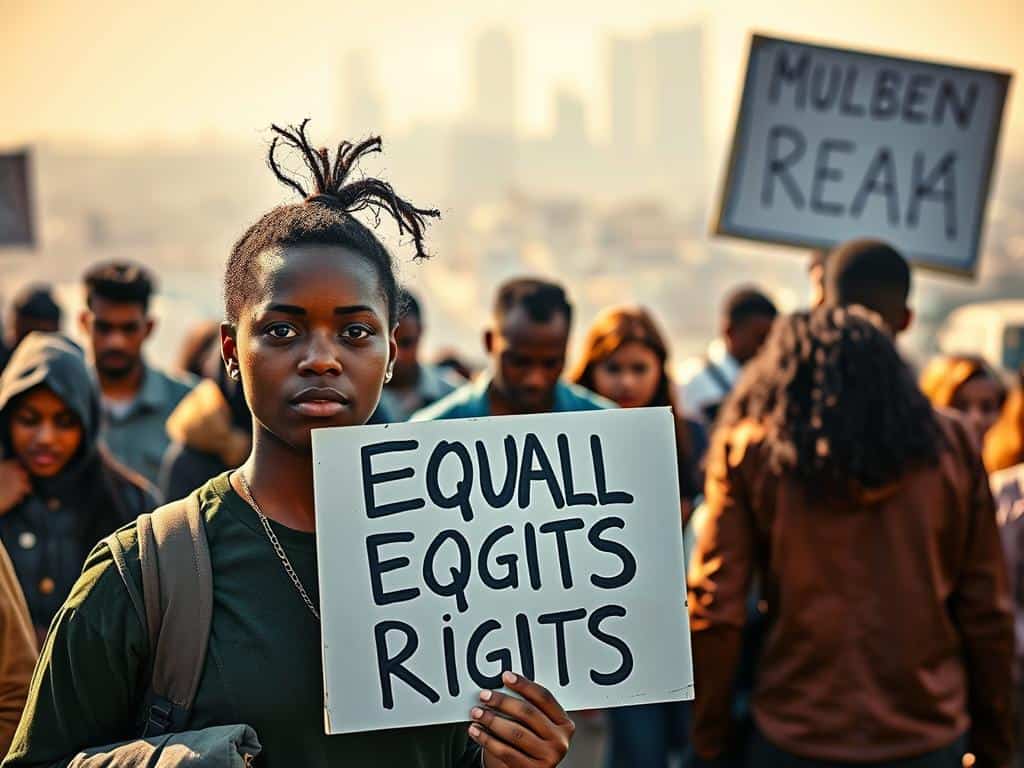
Racial Equality: The Path Towards Justice and Diversity
Understanding racial equity and justice is key to our society’s growth. Racial equity works to remove barriers that stop people from succeeding based on their race. Racial justice goes further, pushing for big changes to end unfair systems.
This difference helps us see how important equity and equality are. They help create a place where everyone can do well.
Key Concepts of Racial Equity vs. Racial Justice
Racial equity means everyone gets the same chances, no matter their background. Executive Order 13985 shows how important it is to help those who are left behind. Over 90 federal agencies have made plans to tackle these issues.
These efforts have led to real changes, like less child poverty in diverse groups. This shows how focused actions can make a big difference.
The Role of Diversity and Inclusion
Diversity and inclusion are vital for a place where everyone feels important. Companies now see fighting for racial justice as a must, not just a choice. They aim to change the workplace culture, not just its look.
By listening to people from all walks of life, companies can foster creativity and success. This is how they move forward.
Conclusion
The fight for racial equality is key for everyone, not just those who are marginalized. It’s about working together to tackle the deep-seated issues of injustice. Black communities in North America face more environmental dangers, the San people in Namibia have less access to healthcare, and Romani kids in Europe are discriminated against in school.
These examples show racial inequality is a big problem that needs our immediate focus and change. Advocacy and learning are key to making progress. Racial justice is more than just a phrase; it’s a call to action in our communities and schools.
The pandemic highlighted the need for better policing and education. Most people in the U.S. agree that these areas need improvement. Talking about racial justice, supporting diversity, and making spaces inclusive are important steps towards a fairer world.
I believe we can create a future where racial equality is real, not just a dream. This journey requires our dedication, empathy, and strong support for change.
