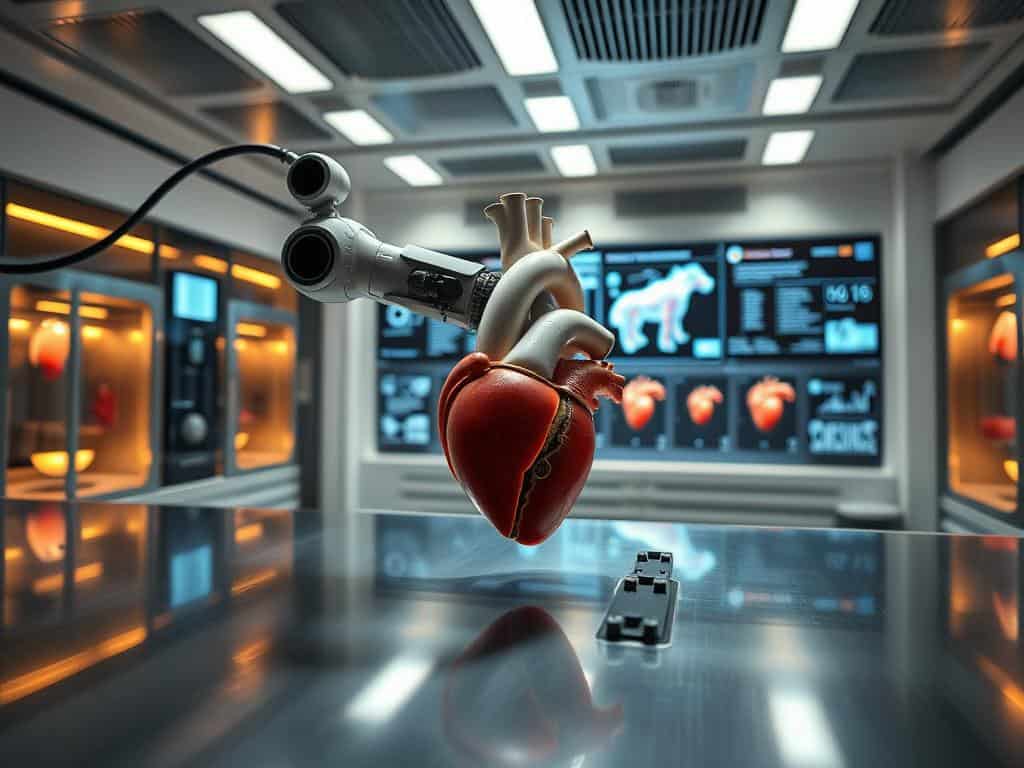
Did you know about 90,000 people in the U.S. are waiting for organ transplants? This number shows a big problem in our healthcare. It highlights the need for new solutions like artificial organs.
Medical technology is changing fast, thanks to biotechnology. It’s making organs that work and are safe for our bodies. These new organs could help those waiting for transplants and improve their lives.
Research is moving forward, making artificial organs a real possibility. This could change how we handle organ transplants and healthcare. It’s a hopeful future for those in need of life-saving help.
Key Takeaways
- Approximately 90,000 people are on the waiting list for organ transplants in the U.S.
- Advancements in biotechnology are key for making artificial organs.
- Artificial organs aim to solve the organ shortage crisis.
- Medical technology boosts the chance for life-saving treatments.
- The future of healthcare may rely on artificial organ solutions.
Understanding the Need for Artificial Organs
The need for organ transplants is growing fast. More people are getting sick with chronic illnesses. This means more are waiting for life-saving surgeries.
Right now, over 100,000 patients in the U.S. are waiting for transplants. This shows how urgent it is to find new ways to help them.
The Increasing Demand for Organ Transplants
More people are getting sick with chronic diseases. This makes the gap between available organs and those needed even bigger. The lack of donors makes it hard to give transplants.
This is why finding other solutions, like artificial organs, is so important.
Challenges with Organ Donation
Organ donation faces many challenges. There are ethical issues, logistical problems, and not enough donors. These make it hard to get the organs needed for transplants.
Even with medical progress, solving these problems is key to better patient care. I think artificial organs could help solve these donation issues. They could also lessen the effect of donor shortages on healthcare.
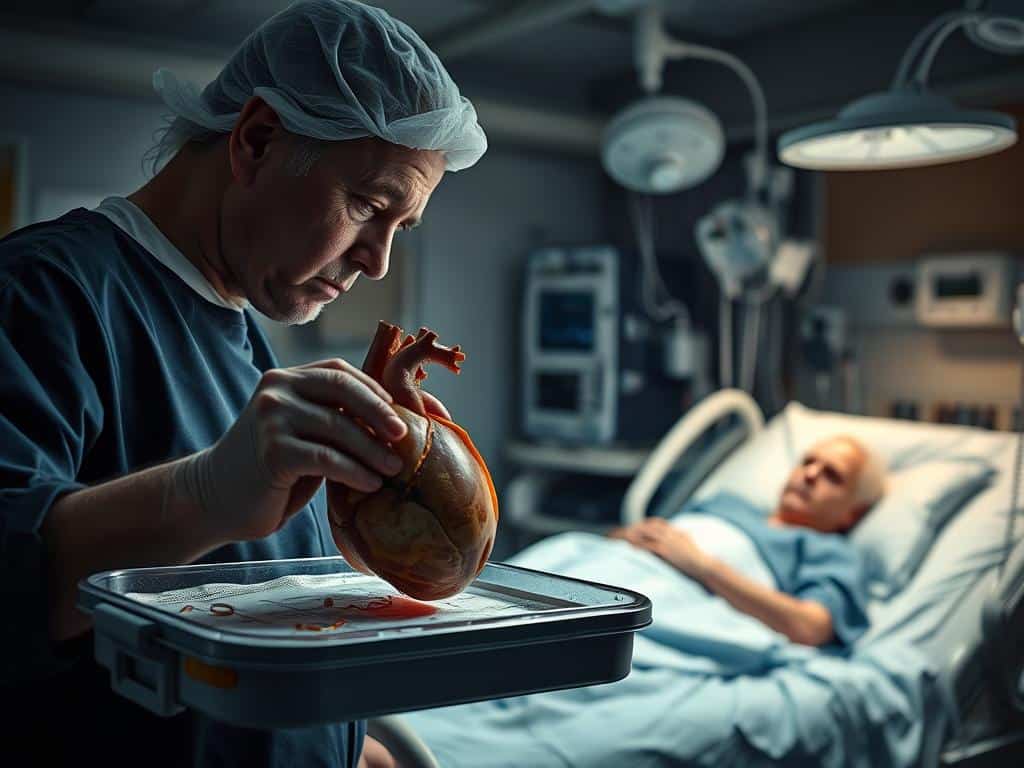
What Are Artificial Organs?
Artificial organs are a big step forward in medical tech. They are made by humans to replace or help out natural organs. These devices can greatly improve life for those with severe organ failures.
There are many types of artificial organs being made. This includes things like artificial hearts and lungs. Some even use real cells for better performance and safety.
Types of Artificial Organs
The world of artificial organs is growing fast. We have artificial hearts that help until a transplant is possible. There are also bioartificial livers, like those made by HepaLife, for liver failure treatment.
Devices like ventricular assist devices can help the heart work without removing it. Researchers are also working on artificial pancreases, lungs, and even red blood cells. These aim to mimic the real thing, showing a move towards more personalized organs.
The Role of Biotechnology in Creating Artificial Organs
Biotechnology is key in making these artificial organs. Methods like 3D bioprinting and tissue engineering are changing organ replacement. Studies at places like UCLA are looking into creating a mini brain or artificial thymus.
This shows how bioengineering is leading to big advances. It helps make organs that fit each patient better. As we keep exploring, the future of healthcare looks very promising.
