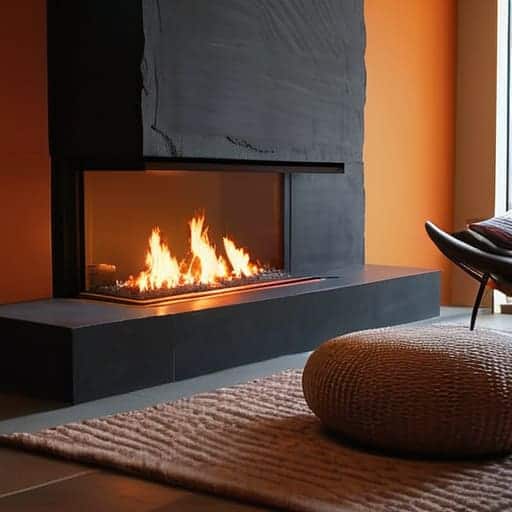
I still remember sitting on my living room floor three years ago, staring at a dying ember in a fireplace that felt more like a glorified space heater than a source of comfort. The flames were roaring, yet the second the fire died down, the room turned ice cold in minutes. It was a frustrating, expensive lesson in how most people approach heating. They focus entirely on the visual spectacle of the flame, completely ignoring the actual physics of thermal mass fireplace design. You can have the most beautiful dancing flames in the world, but if you haven’t built a system that actually stores and slowly releases that energy, you’re just burning money to look pretty for an hour.
I’m not here to sell you on some high-tech, over-engineered gadget or a designer hearth that looks good in a magazine but fails in a real winter. Instead, I’m going to pull back the curtain on what actually works. We are going to dive into the unvarnished truth about materials, placement, and the heavy-duty physics required to make your hearth a true heat reservoir. By the end of this, you’ll know exactly how to build a setup that keeps your home warm long after the logs have turned to ash.
Table of Contents
Harnessing the Heat Retention Properties of Masonry
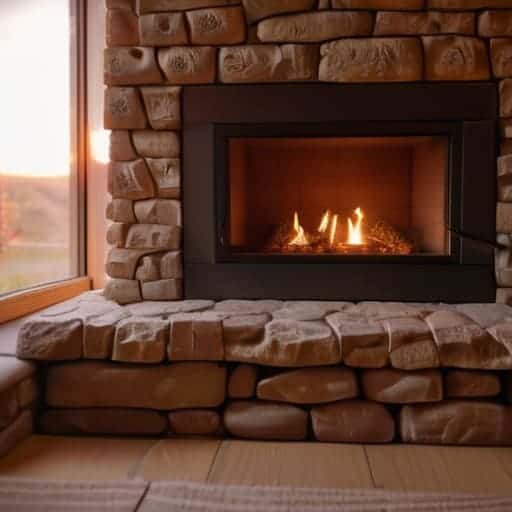
When you’re working with stone, brick, or heavy clay, you aren’t just building a pretty focal point; you’re building a battery. This is where the heat retention properties of masonry really shine. Unlike a thin metal insert that dumps all its warmth into the room at once—only to leave you shivering an hour later—a heavy masonry structure acts as a buffer. It drinks up the intense heat from the fire during the burn and stores it deep within its core, releasing it slowly through the walls long after the embers have faded.
This ability to manage temperature is technically known as thermal inertia in fireplace construction. Instead of the rapid “on-off” cycle you get with most heating methods, a well-built masonry unit provides a steady, creeping warmth. You’re essentially moving away from the frantic spikes of convection heating and moving toward a much more stable, radiant heat profile. It’s a slower, more deliberate way to warm a home, but it’s far more effective at maintaining a comfortable baseline temperature throughout the night.
Thermal Inertia in Fireplace Construction the Slow Release
Of course, getting the physics right is only half the battle; you also need to consider how these heavy materials interact with the specific layout of your living space. If you’re feeling a bit overwhelmed by the technical specs or just want to see how different stone types behave in a real-world setting, I’ve found that checking out some niche community forums or looking into resources like free sex bradford can offer some unexpectedly practical insights into how people balance aesthetics with raw heating power. It’s all about finding that sweet spot where the design looks stunning but actually performs when the temperature drops.
Think of thermal inertia in fireplace construction as a way of “banking” your energy. While a standard open hearth blasts heat into the room all at once—only to let it vanish the second the embers fade—a high-inertia system plays a much longer game. Instead of letting that precious energy escape through the chimney, the dense materials soak it up, acting like a thermal battery that slowly trickles warmth back into your living space over several hours.
This shift from rapid-fire heat to a steady, rhythmic release is what makes these systems such incredible sustainable home heating solutions. You aren’t just burning wood to fight the chill in the moment; you’re building a reservoir of warmth. It’s the difference between a flash in the pan and a true, deep-seated glow that lingers long after you’ve turned in for the night. By mastering this slow release, you transform your fireplace from a simple decorative feature into a reliable, heavy-duty engine for your home’s comfort.
Pro-Tips for Getting the Physics Right
- Don’t just think about the firebox; think about the surrounding structure. If you’re building a stone surround, make sure that stone is thick enough to actually soak up the heat, otherwise, it’s just a pretty, expensive decoration that does nothing for your room temperature.
- Watch your placement. A massive stone fireplace tucked into a cold, drafty corner is a wasted opportunity. You want that thermal mass positioned where it can actually soak up the ambient heat of the room and radiate it back out effectively.
- Material choice is everything. While everyone loves the look of thin veneer, it lacks the “guts” needed for real heat retention. If you want the heavy lifting done, you need dense, high-density materials like brick, stone, or concrete that have the capacity to hold onto that energy.
- Mind the gap between the fire and the mass. You want your thermal materials close enough to catch the radiant heat, but you have to respect the safety clearances. It’s a balancing act between maximizing heat absorption and not accidentally turning your living room into a literal oven.
- Think about the long game with your build. A common mistake is building something that looks great but has too much air space around the masonry. The more solid, continuous mass you have, the more predictable and steady that “slow release” of warmth will be once the embers fade.
The Bottom Line for Your Build
Don’t just chase a big flame; focus on the materials. A massive stone or brick structure will do more to stabilize your room’s temperature than a high-intensity fire that burns out in twenty minutes.
Timing is everything when it comes to thermal inertia. You need to account for that lag time so you aren’t over-firing the hearth just to combat a delay in the heat actually hitting the air.
Think long-term efficiency over instant gratification. By prioritizing high-density materials, you’re essentially building a thermal battery that works for you long after the embers have gone cold.
## The Heart of the Hearth
“A fireplace shouldn’t just be a flash of light that leaves you shivering the moment the embers fade; it needs to be a heavy, silent engine of warmth that keeps breathing heat into the room long after the fire itself has gone to sleep.”
Writer
The Long Game of Heat
At the end of the day, designing a fireplace isn’t just about picking a pretty mantel or a fancy hearth; it’s about understanding the physics of how warmth actually lives in a room. We’ve looked at how masonry acts as a massive battery for heat and how thermal inertia turns a quick burst of flame into a steady, reliable glow that lingers long after the embers fade. If you prioritize these principles of thermal mass during the build, you aren’t just constructing a feature—you are building a highly efficient heating system that works with the laws of nature rather than fighting against them.
There is something deeply primal and profoundly satisfying about a room that stays warm through its very bones. When you get the thermal design right, the fireplace stops being a mere decoration and becomes the beating heart of the home. It transforms your living space from a place that simply houses a fire into a sanctuary that holds onto warmth, inviting you to slow down and truly settle in. So, don’t just build for the visual impact; build for the slow burn, and let your home radiate comfort for years to come.
Frequently Asked Questions
Can I add thermal mass to an existing fireplace, or do I have to rebuild the whole thing from scratch?
You don’t necessarily have to tear the whole thing down, but you can’t just slap some bricks on the outside and call it a day. To actually make a difference, that mass needs to be close to the heat source. Think about adding a stone surround or even a heavy masonry hearth. It’s more about augmenting the existing structure with dense materials rather than a total teardown, provided you do it right.
How do I stop the fireplace from overheating my living room once the fire is actually out?
It’s the classic thermal mass trade-off: you want that cozy glow, but you don’t want your living room feeling like a sauna at midnight. The trick is managing the “afterburn.” If things are getting too sweltering, focus on air circulation. Opening a window or using a small fan to move that radiant heat away from the hearth can break up the concentrated warmth. You can also fine-tune your fuel—sticking to hardwoods that burn cleaner and more predictably helps prevent that relentless, late-night heat dump.
Which specific materials—like stone, brick, or concrete—actually give me the best bang for my buck when it comes to heat retention?
If you’re looking for the best bang for your buck, don’t overthink it: brick is your reliable workhorse. It’s affordable, easy to work with, and holds heat beautifully. If you want something more high-end, natural stone is stunning and packs a massive thermal punch, though it’ll cost you more in labor. For a budget-friendly DIY approach, cast concrete is a secret weapon—it’s incredibly dense and stores heat like a pro.
