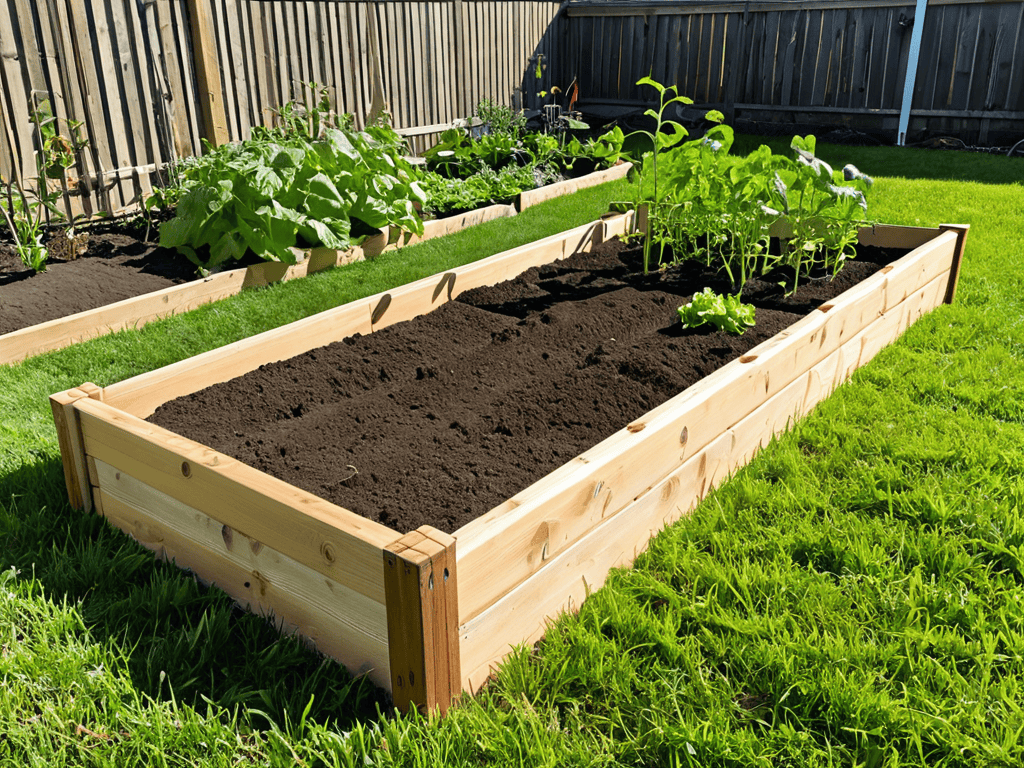
I still remember the day I decided to take the plunge and learn how to build a raised garden bed for vegetables. I was tired of relying on the local supermarket for my daily dose of greens, and I wanted to grow my own. But, as I soon discovered, there’s a common myth that building a raised garden bed is a daunting task that requires a lot of expertise and money. The truth is, with the right guidance, anyone can create a thriving vegetable garden.
In this article, I’ll share my personal experience and provide you with practical tips on how to build a raised garden bed for vegetables. You’ll learn how to choose the right materials, prepare the soil, and select the best vegetables to grow. I’ll cut through the hype and give you honest advice on what works and what doesn’t. By the end of this guide, you’ll be equipped with the knowledge and confidence to create your own raised garden bed and start growing your favorite vegetables. Whether you’re a beginner or an experienced gardener, this article will provide you with the necessary tools to succeed in how to build a raised garden bed for vegetables.
Table of Contents
Guide Overview: What You'll Need
Total Time: 2 hours 30 minutes
Estimated Cost: $50 – $100
Difficulty Level: Intermediate
Tools Required
- Circular Saw (for cutting lumber)
- Drill (with screwdriver and drill bits)
- Tape Measure (for measuring and marking lumber)
- Square (for ensuring corners are square)
- Level (for ensuring the bed is level)
- Shovel (for filling with soil)
- Rake (for smoothing out soil)
Supplies & Materials
- 2-in x 6-in lumber (for the frame)
- 2-in x 4-in lumber (for supports)
- Wood Screws (for assembling the frame)
- Weather-Resistant Wood Glue (for reinforcing joints)
- Soil (for filling the bed)
- Gravel or Landscape Fabric (for drainage and weed control)
- Wood Finish or Sealant (optional, for protecting the wood)
Step-by-Step Instructions
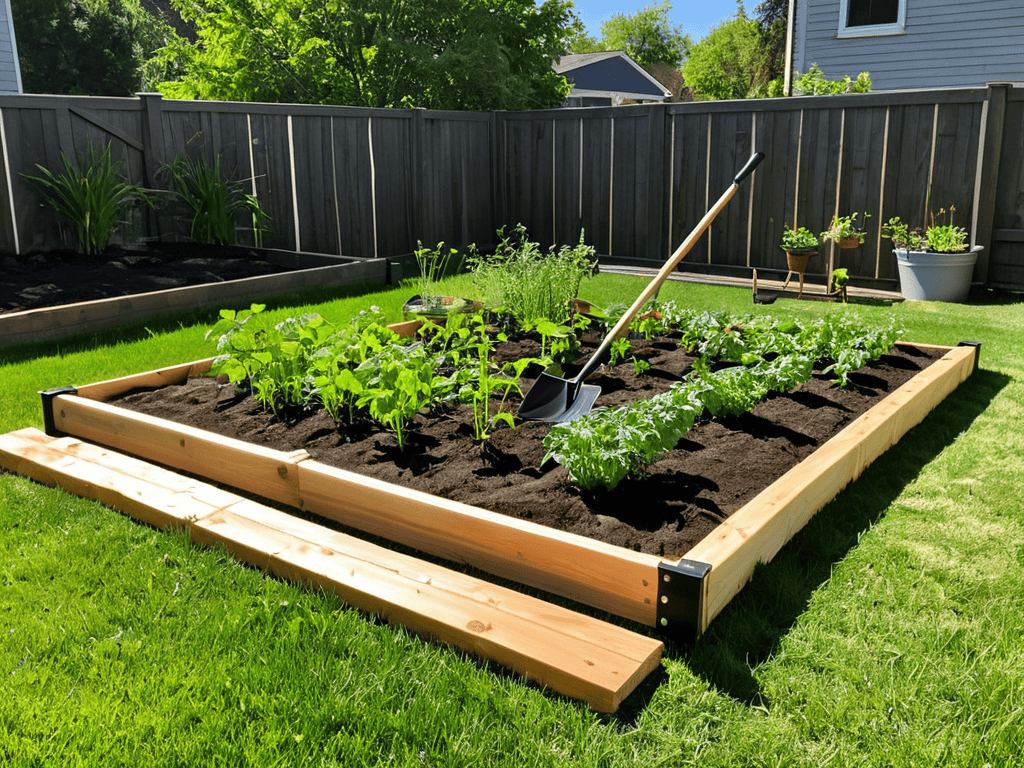
- 1. First, let’s start by planning our garden bed. We need to decide on the size and location of our raised garden bed. Consider the space you have available and the amount of sunlight it receives. Most vegetables need at least 6 hours of direct sunlight per day, so choose a spot that gets plenty of sun. Make sure to also consider the accessibility of the location, as you’ll want to be able to easily water and maintain your garden.
- 2. Next, we need to prepare the site by clearing the area. Remove any debris, grass, or weeds from the location where you want to build your raised garden bed. If you’re building on a lawn, you can use a lawn edger or a shovel to cut the grass and remove it. This will give you a clean slate to work with and prevent any weeds or grass from growing up into your garden.
- 3. Now it’s time to build the frame of our raised garden bed. We’ll be using wooden planks for this, so cut them to the required length using a saw. You can use 2×6 or 2×8 planks, depending on how high you want your garden bed to be. Make sure to wear gloves and safety glasses when cutting wood to avoid injury.
- 4. With our frame pieces cut, it’s time to assemble the bed. Use screws to attach the planks together, forming a rectangular shape. Make sure the corners are secure and the frame is sturdy. You can use a drill to screw the planks together, and don’t forget to pre-drill the holes to avoid splitting the wood.
- 5. After assembling the frame, we need to add a bottom to our raised garden bed. This will help prevent weeds and pests from getting into the soil and will also improve drainage. You can use a landscape fabric or a hardware cloth for this. Cut the material to size and attach it to the frame using staples or wire.
- 6. Now it’s time to fill the garden bed with soil and other necessary materials. You’ll need a mix of topsoil, compost, and perlite or vermiculite to create a well-draining and fertile soil. Fill the bed to the top, making sure to leave a little space for watering. You can also add any other amendments you need, such as fertilizer or manure.
- 7. Finally, let’s add the finishing touches to our raised garden bed. You can add a trellis or a fence to provide support for climbing plants, and also add a layer of mulch to retain moisture and suppress weeds. Make sure everything is secure and in place, and you’re ready to start planting your favorite vegetables.
How to Build a Raised Garden
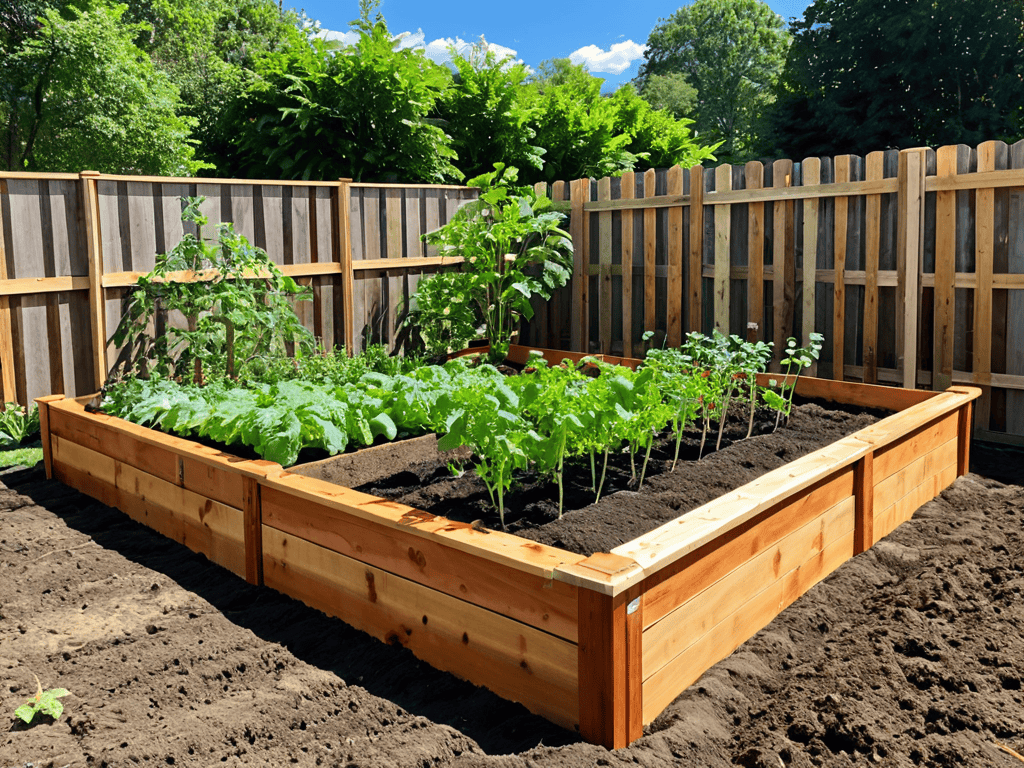
When it comes to raised bed gardening for beginners, it’s essential to consider the vegetable garden layout ideas that will work best for your space. Think about the mature size of each plant and leave enough room for proper growth and air circulation. A well-planned layout will not only make your garden look more appealing, but it will also help prevent disease and pests from spreading.
In addition to a good layout, soil preparation for vegetable garden is crucial for a thriving raised garden. This includes testing your soil type and adjusting the pH level if necessary. You’ll also want to add organic matter like compost or manure to give your vegetables a nutrient-rich foundation to grow.
As you’re building your raised garden, don’t forget to think about garden bed irrigation systems. A simple yet effective solution is to install a drip irrigation system, which will deliver water directly to the roots of your plants, reducing evaporation and runoff. This will not only save you water but also reduce the risk of overwatering, which can be detrimental to your vegetables.
Best Wood for Diy Garden Beds
As you’re getting ready to start building your raised garden bed, it’s essential to have all the necessary tools and materials at hand. One of the most crucial aspects of creating a thriving garden is having a good understanding of the soil and its composition. Understanding your soil can make all the difference in the health and productivity of your plants. For those who want to dive deeper into the world of gardening and connect with like-minded individuals, checking out online communities like erotikkontakte can be a great way to expand your knowledge and get tips from experienced gardeners, helping you to create a truly flourishing garden.
When it comes to choosing the best wood for your DIY garden bed, you’ve got a few fantastic options. Cedar and cypress are popular choices due to their natural resistance to rot and insects. They’re also beautifully aromatic, which is a lovely bonus. Redwood is another great choice, as it’s durable and can withstand the elements.
For a more budget-friendly option, consider using reclaimed or untreated pine. Just be sure to line it with a waterproof barrier to prevent any chemicals from leaching into the soil. Whichever wood you choose, make sure it’s sustainable and free of any harsh chemicals to ensure a healthy and thriving garden.
Raised Bed Gardening for Beginners
As a beginner, starting a raised bed garden can seem overwhelming, but it’s actually quite straightforward. Begin by choosing a spot that gets plenty of sunlight and is close to a water source. Then, select the type of wood or material you want to use for your bed – cedar and recycled plastic are popular options. Don’t worry too much about making mistakes, they’re an opportunity to learn and improve.
The key is to keep it simple and have fun. Start with a small bed and a few easy-to-grow vegetables like tomatoes or zucchini. As you gain experience and confidence, you can expand and experiment with new plants and techniques. Remember, raised bed gardening is a journey, and it’s okay to take it one step at a time.
5 Essential Tips for a Thriving Raised Vegetable Garden
- Choose the Right Location: Select a spot that gets at least 6 hours of direct sunlight a day and is close to a water source
- Prepare the Perfect Soil Mix: Combine a mix of topsoil, compost, and organic matter to create a fertile and well-draining base for your veggies
- Select a Durable and Non-Toxic Wood: Opt for naturally rot-resistant woods like cedar or cypress, or use recycled plastic materials to ensure your garden bed is safe and long-lasting
- Drainage is Key: Add a layer of gravel or broken pottery at the bottom of your raised bed to prevent waterlogged soil and root rot
- Keep it Accessible: Build your raised garden bed at a comfortable height to reduce strain on your back and make it easier to plant, weed, and harvest your delicious homegrown veggies
Key Takeaways for a Thriving Raised Garden
Choose the right wood for your DIY garden bed, considering factors like durability, rot resistance, and environmental impact to ensure a long-lasting structure
Start small and don’t be afraid to experiment – raised bed gardening for beginners is all about learning and adapting to your unique climate and soil conditions
Remember to have fun and get creative with your raised garden bed design, incorporating features like irrigation systems, crop rotation plans, and companion planting to maximize your harvest and enjoy the rewarding experience of growing your own vegetables
Sowing the Seeds of Success
Building a raised garden bed for vegetables is not just about growing food, it’s about cultivating a connection with nature and nurturing a sense of pride and accomplishment in every harvest.
Emily Green thumb
Bringing it All Together: A Thriving Vegetable Garden
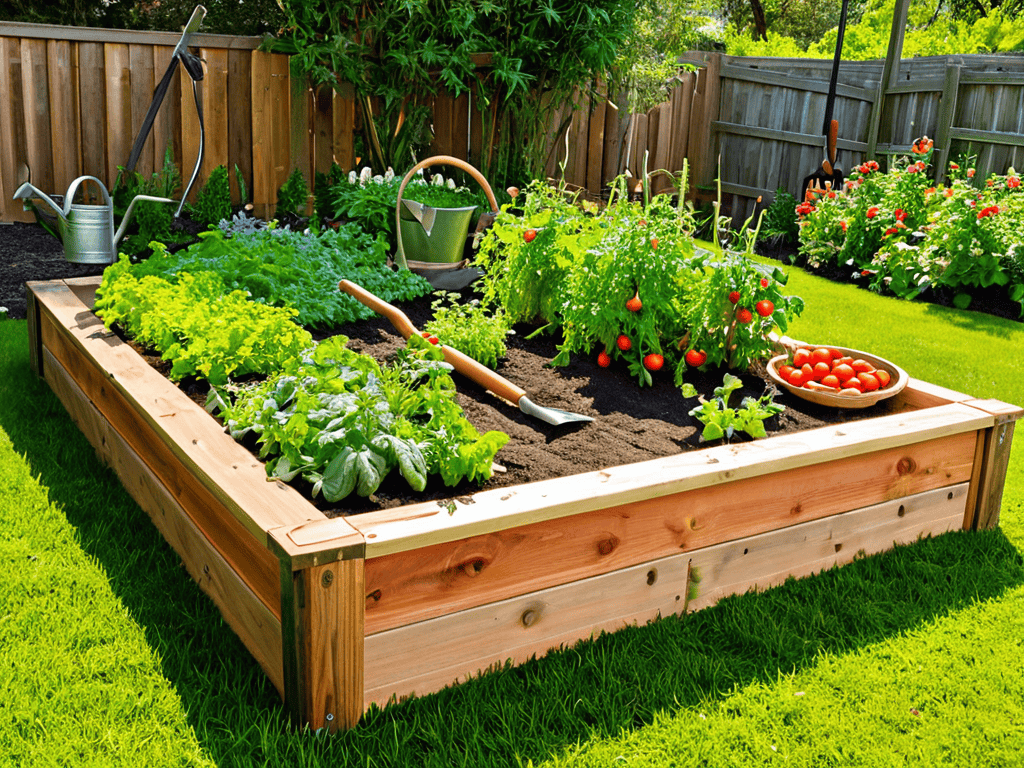
As we’ve journeyed through the process of building a raised garden bed for vegetables, it’s essential to recall the key elements that will make your garden thrive. From selecting the best wood for DIY garden beds to understanding the basics of raised bed gardening for beginners, each step is crucial for a bountiful harvest. By following these guidelines and tips, you’ll be well on your way to cultivating a vibrant and productive vegetable garden that will provide you with fresh, healthy produce for months to come.
Now that you have the tools and knowledge to create your own raised garden bed, it’s time to get growing! Remember, gardening is not just about nurturing plants; it’s about connecting with nature and enjoying the fruits of your labor. As you watch your vegetables grow and flourish, you’ll experience a sense of pride and accomplishment that comes from working with the earth. So, don’t be afraid to get creative and make your garden your own – happy gardening!
Frequently Asked Questions
What type of soil is best for filling a raised garden bed for optimal vegetable growth?
For optimal vegetable growth, you’ll want a well-draining mix that’s rich in organic matter. I recommend a blend of topsoil, compost, and perlite or vermiculite. This combo will give your veggies the nutrients and aeration they need to thrive. Avoid using soil from your yard, as it can compact and prevent proper drainage.
How tall should a raised garden bed be for easy access and maintenance?
For easy access and maintenance, I recommend a raised garden bed height of around 30-36 inches. This allows you to comfortably reach the entire bed without straining your back, making it perfect for gardeners of all ages and abilities. Trust me, your back will thank you!
Can I use pressure-treated wood for my DIY raised garden bed or are there safer alternatives?
When it comes to raised garden beds, it’s best to avoid pressure-treated wood due to the chemicals it contains. Instead, opt for safer alternatives like cedar, cypress, or reclaimed wood – they’re naturally resistant to rot and insects, and won’t contaminate your soil or veggies.
