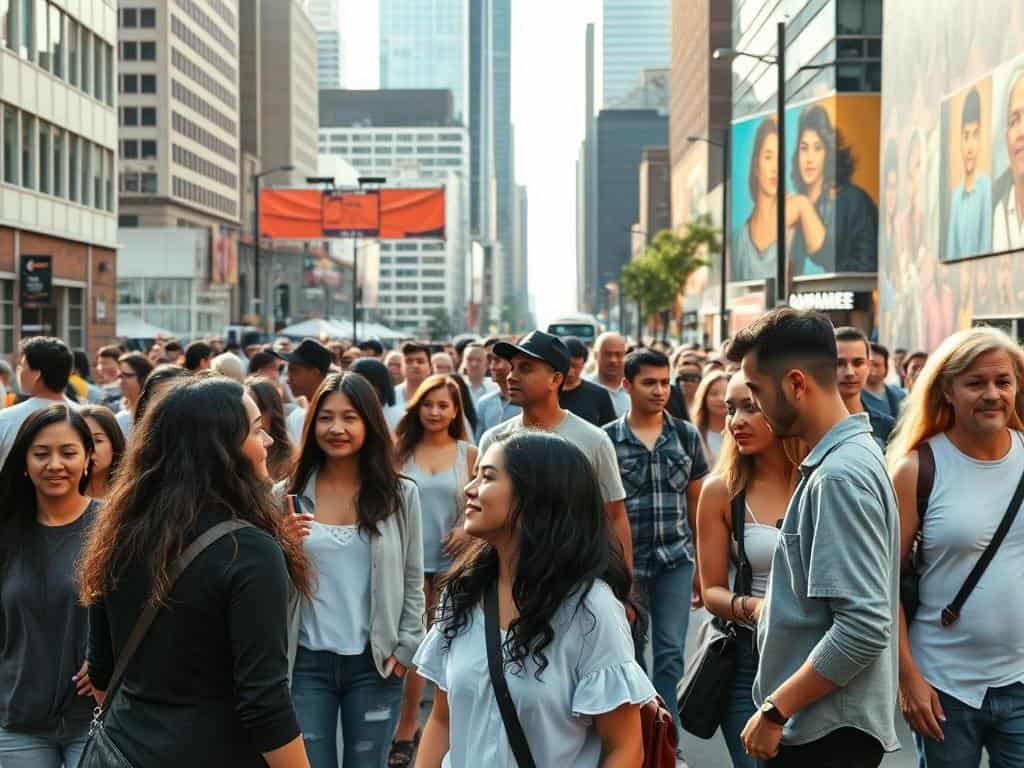
A study in Nature Human Behaviour shows a big change in social norms in the U.S. over 200 years. Words like ‘restrain’ and ‘prevent’ are used less, while ‘openness’ and ‘diverse’ are more common. This change shows how technology, culture, and values are changing our society.
These changes affect how we interact with each other. They also influence things like the names we give our kids and how teens behave. I will look into how hard it is to change norms and the history behind new ones, like fighting gender-based violence. It’s important to understand these changes to navigate today’s society.
Key Takeaways
- Over the last 200 years, social norms in the U.S. have weakened significantly.
- Evolving norms reflect a shift towards greater openness and diversity in contemporary society.
- Established norms often resist change due to their historical usefulness and alignment with entrenched interests.
- Movements against issues like gender-based violence have successfully shaped new social norms.
- Understanding the evolution of social norms is key to grasping broader cultural changes.
The Dynamic Nature of Social Norms
Social norms are always changing, thanks to new technology. This means how we talk to each other is evolving too. Social media has changed how we share thoughts and news. But, some people don’t want to change, sticking to old ways.
Evolving Rules of Communication
New digital tools have brought new ways to talk. Texts, emojis, and memes are now part of our daily chats. These changes have their own rules, which can differ a lot between groups. It’s hard to keep up with these new norms while also liking the old ways.
Resistance to Change
Even with new norms, some people resist. They like the old ways better because they’re more familiar. This resistance comes from personal beliefs or cultural backgrounds. It shows why some behaviors stick around, even when norms change.
Driving Forces Behind Shifts in Social Norms
Understanding what drives changes in social norms helps us see how societies evolve. Globalization brings cultures together, changing behaviors and rules in many places. This mixing of cultures can lead to a more vibrant social scene.
Impact of Globalization
Globalization is a big driver of social norm changes. When people from different backgrounds meet, they share and sometimes adopt new ways of life. For example, the push for gender equality shows how global ideas can change local communities, making them more fair and inclusive.
Influence of Social Movements
Social movements play a big role in changing social norms. Activists push for changes like better environmental care or gender equality. In places like Eritrea, community efforts have helped fight against harmful practices like female genital mutilation. When people come together for change, they can create new norms.
Adapting to Crises
Crises often make societies rethink and update their norms. Whether it’s health emergencies, natural disasters, or economic troubles, communities find new ways to cope. In Mozambique, for example, talking openly about child marriage has led to positive changes. These changes help communities recover and prepare for future challenges.

Social Norms: From Stability to Change
Understanding how social norms change is key to seeing how society evolves. By looking at norm emergence, we can see how new norms form in changing cultures. The evolution of norms happens through group actions and social influence. These show how our social world is always changing, revealing what leads to big shifts in what we do.
Understanding Norm Emergence and Evolution
Norm emergence is a mix of personal actions and group influences. Over time, norms grow from repeated interactions, becoming accepted by more people. This change is seen in many areas, like public health, where norms evolve to support healthier living.
Public health shows how norms can change to meet new needs. This shows how norms can be flexible and change with society’s needs.
Norm Change as a Solution to Behavioral Challenges
Social norms can solve behavioral challenges in communities. When groups see bad behaviors, changing norms can lead to better outcomes. Efforts to change norms have worked well in areas like the environment and health.
By making everyone feel responsible, we can get people to act in line with new norms. This shows norms are not just fixed rules but can adapt to society’s changing needs.
Conclusion
Social norms are changing due to technology, cultural shifts, and societal challenges. These changes show how deeply social norms affect us, as we face the challenges of today’s world. Organizations are working hard to change gender norms, showing how important these norms are for progress and equality.
Feminist movements and civil society groups are key in changing social norms. But, we must also think about the pushback that can happen. The pace of change is slow, and different strategies are needed for different norms. This highlights the need for specific plans, not just one plan for everything.
It’s important to understand how social norms work to adapt to our changing world. As I look into the role of social norms, I see their importance in moving society forward. They also help us be aware of the different cultures where these changes happen.
