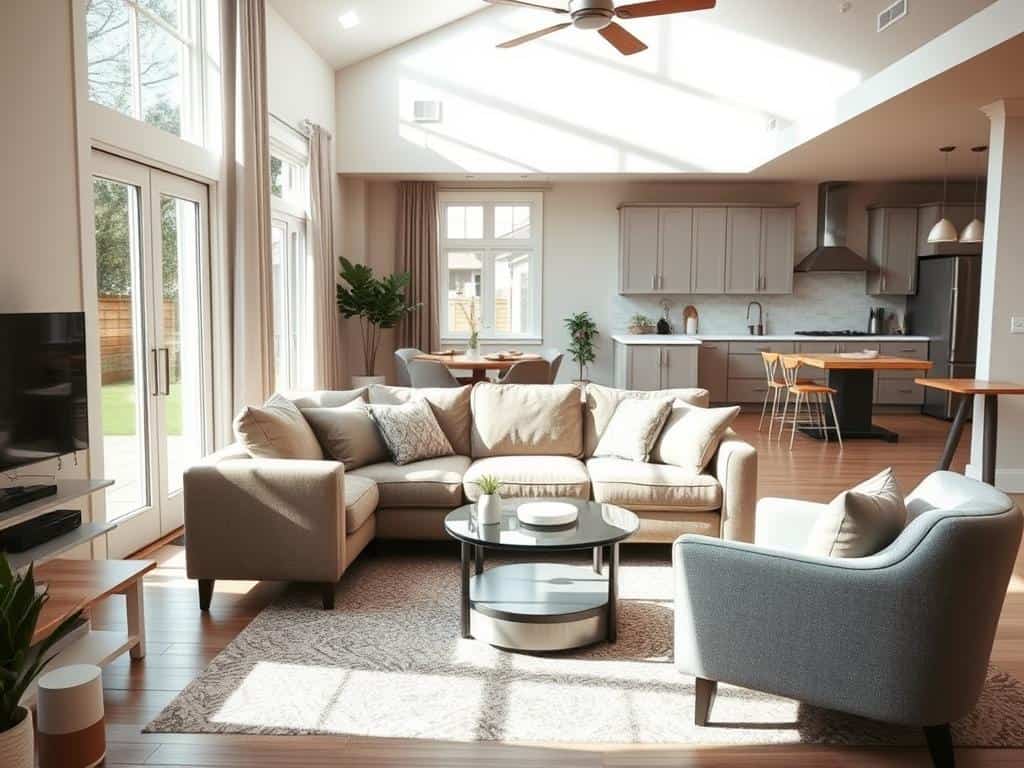
Did you know 40% of adults aged 50 and over want smart home tech? This shows a big interest in keeping seniors independent and improving their lives with new tech. Smart homes help seniors deal with challenges like mobility issues, cognitive problems, and feeling lonely.
With smart tech, seniors can manage their daily tasks safely and comfortably. They can use emergency alert systems to quickly get help if they fall. Wearable health monitors also track important health signs, helping seniors stay independent at home.
This not only boosts their confidence but also reduces the need for assisted living. It lets seniors enjoy their homes longer, improving their overall well-being.
Key Takeaways
- Smart home technology enhances independence for seniors living alone.
- Engagement with technology fosters better management of daily activities.
- Wearable health monitors send vital data directly to healthcare providers.
- Emergency systems are critical for quick response during health crises.
- Over 40% of older adults are interested in adopting smart technology.
- Gradual adoption of smart devices may be preferred by seniors.
- Improved safety features help mitigate risks associated with aging.
Understanding the Benefits of Smart Home Technology for Seniors
Smart Home technology is key for improving the lives of older adults. As more seniors live alone, the need for smart home systems grows. These systems help them live independently, ensuring safety, comfort, and health monitoring.
Enhancing Quality of Life for Older Adults
Smart Home for Seniors greatly improves life quality. Many seniors want to stay in their homes, and smart tech helps them do so. For example, smart speakers can call for help if needed, keeping seniors connected and safe.
These features reduce feelings of loneliness, which is good for mental health. It helps seniors feel more connected and supported.
Supporting Independence and Safety at Home
Independence is vital for older adults. Smart Home for Seniors helps by making homes safer. Features like motion sensors and smart locks reduce fall risks and make moving around easier.
Remote control of entry points lets caregivers keep seniors safe from afar. This gives families peace of mind, knowing their loved ones are secure.
Boosting Comfort through Home Automation
Home automation makes life more comfortable for seniors. They can control their environment with voice commands, making daily tasks simpler. Voice-activated devices are popular among seniors, making it easy to manage their homes.
Smart technology gives seniors more control over their living spaces. It makes daily life easier and more enjoyable.
The Role of Smart Home for Seniors in Independent Living
Smart Home for Seniors is key in helping older adults live independently. It offers personalized technology that boosts their quality of life. Each senior faces unique challenges, like health issues, personal likes, and living situations.
Personalized Technology Solutions for Unique Needs
For seniors with mobility issues, tools like voice-activated lights and smart appliances help a lot. These make daily tasks easier and help them feel more independent. Caregivers help pick the right tech for each senior, making their homes more comfortable and suited to their needs.
Integrating Health Monitoring with Daily Activities
Smart Home for Seniors solutions include health monitoring, helping seniors manage their health better. Devices track vital signs and activity levels live. This lets healthcare providers help quickly in emergencies.
Reminders for meds, appointments, and check-ins also help seniors stay on top of their health. It encourages them to stay active and involved.
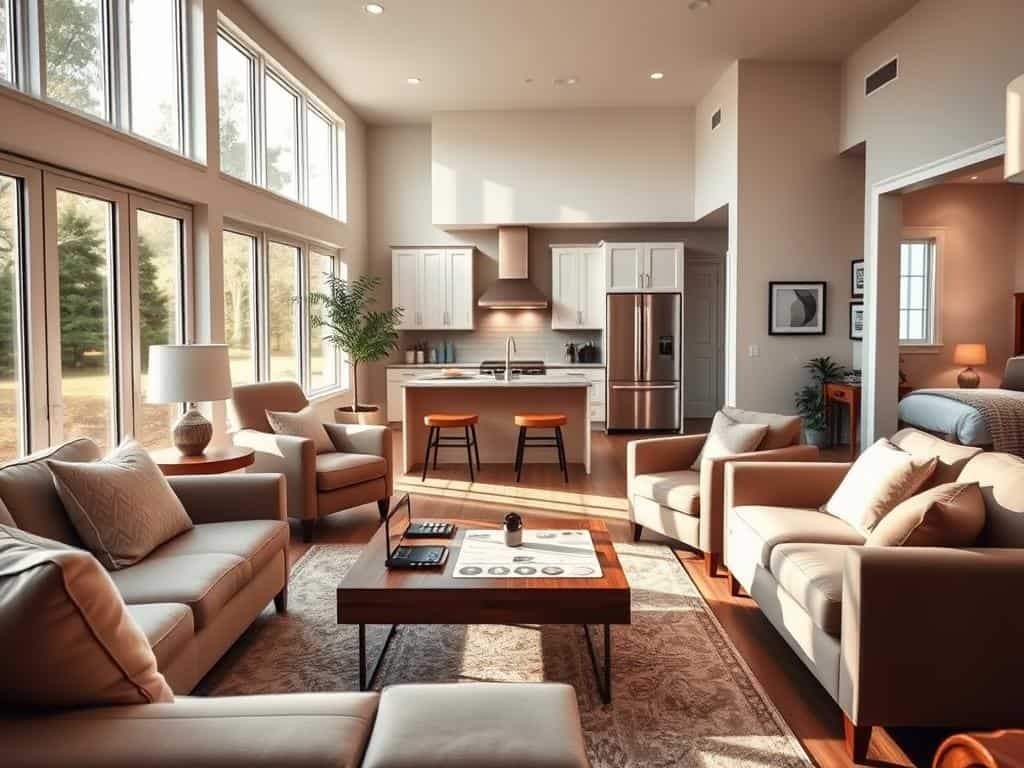
Popular Smart Home Devices for Seniors
As more people age, Smart Home technology becomes more important. It makes homes safer and helps seniors stay independent. Security tools like video doorbells and smart locks are very helpful. They let seniors see who’s at the door without opening it, which is great for feeling safe.
Security Innovations: Video Doorbells and Smart Locks
Video doorbells let seniors see who’s at the door live. This is key for those with memory issues or who feel unsafe. Smart locks also add to security, letting family or caregivers in without keys.
This mix of devices makes homes safer and easier to manage. It helps seniors live their lives more comfortably and securely.
Assistive Technologies: Voice-Activated Assistants
Voice-activated assistants like Amazon Alexa and Google Home change how seniors interact with their homes. They let seniors control other devices with just their voice. This makes life better by giving access to info, reminders, and calls without phones.
These devices help seniors stay connected and avoid feeling lonely. By using them daily, seniors can live more independently and get help quickly when needed.
Conclusion
Smart Home technology is changing how seniors live on their own. It’s not just about making life easier; it’s a big step forward in caring for the elderly. These solutions help seniors live better in their own homes.
Studies show more seniors are open to using smart home tech, even if they were hesitant at first. It’s clear that teaching them how to use it and helping them feel comfortable is key. This way, seniors can enjoy the benefits of technology without feeling stressed.
The number of seniors is growing, and so is the need for smart home tech. We must keep learning and adapting to meet their needs. This ensures seniors can stay independent and safe in their homes.
