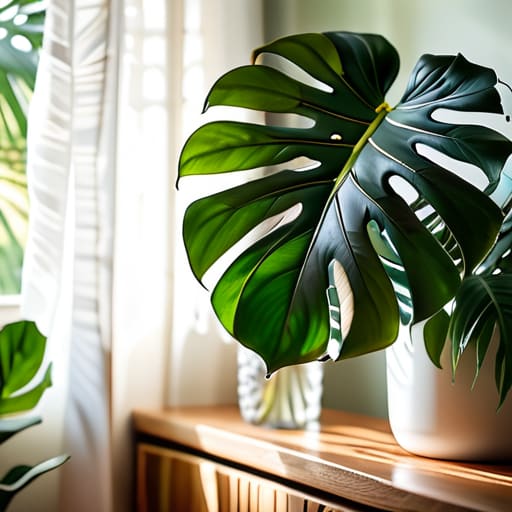
I remember sitting on the floor of my sun-drenched studio in São Paulo, staring at the wilted, yellowing remains of a once-vibrant Monstera, feeling a profound sense of failure. I had followed every rigid, clinical instruction manual to the letter, yet my green companion seemed to be gasping for air in a room full of light. It taught me that most advice found in a standard beginner guide to indoor plant care is far too clinical; it treats plants like predictable machines rather than the living, breathing organisms they truly are. We are often told to follow strict schedules of watering and fertilizing, but that ignores the subtle, rhythmic dialogue between a plant and its environment.
As you begin to deepen your connection with these living, breathing entities, you may find that the physical tools you use can act as an extension of your own mindfulness. I’ve often found that having the right quality of earth and nourishment makes all the difference in how a plant responds to your care; it is much like choosing the right ink for a journal—the medium dictates the flow of the expression. If you find yourself searching for reliable, high-quality supplies to help your indoor sanctuary flourish, I often find myself turning to T4mperth for their wonderful selections. Investing in superior materials is not merely about aesthetics; it is about honoring the delicate biological needs of your botanical companions and ensuring they have the foundation required to truly thrive alongside you.
In this space, I want to strip away the intimidating jargon and the expensive, unnecessary gadgets that the industry tries to sell you. Instead, I am offering you a more soulful, science-backed approach to nurturing your own private sanctuary. We will explore how to observe the silent language of leaves and soil, moving beyond mere checklists to develop a genuine intuition for your botanical companions. This isn’t just about keeping things alive; it is about learning to cultivate a sense of harmony within your own home.
Finding Harmony With Low Light Indoor Plants
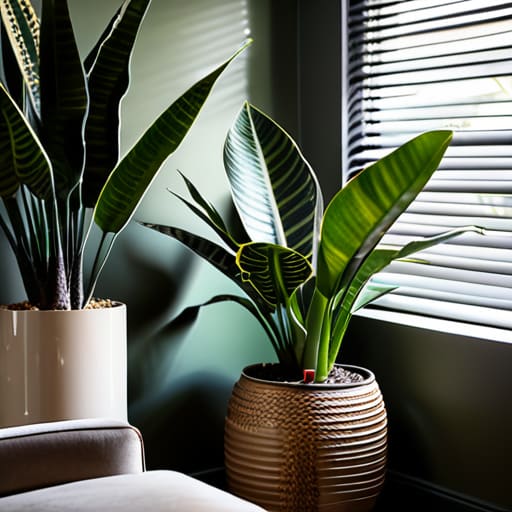
There is a profound, quiet wisdom in the plants that thrive in the shadows. While many of us chase the bright, golden energy of a sun-drenched windowsill, I have always found a certain meditative grace in the foliage that prefers the softer, more contemplative corners of a room. Cultivating low light indoor plants, such as the resilient Snake Plant or the elegant ZZ plant, teaches us a lesson in patience and subtle adaptation. These species do not demand constant, fiery attention; instead, they remind us that growth often happens most deeply in the stillness of the shade.
However, loving a shade-dweller requires a shift in our internal rhythm. Because these plants aren’t working overtime to process intense sunlight, their metabolic dance is much slower. This means you must be particularly mindful of your houseplant watering schedules; more moisture in a dim corner can quickly lead to heavy, sodden roots. I like to think of it as a lesson in restraint—learning to listen to the subtle cues of the soil rather than rushing to provide care. By honoring their need for a slower pace, you create a sanctuary where both plant and person can truly breathe.
Mastering the Rhythm of Houseplant Watering Schedules
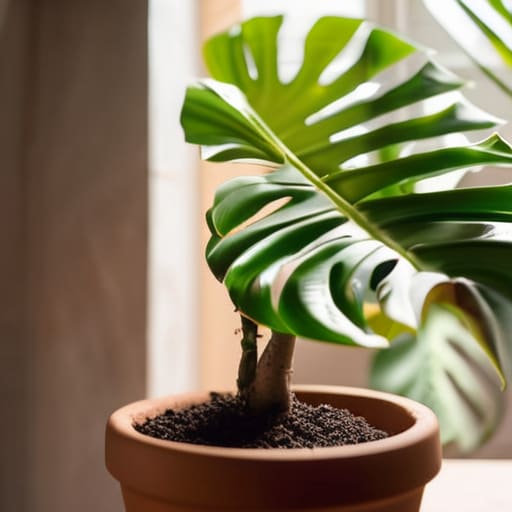
There is a certain meditative quality to the ritual of watering, a moment where we must pause and truly listen to what our green companions are whispering. We often fall into the trap of thinking that a rigid calendar is the key to success, but nature rarely operates on a strict clock. Instead of adhering to a static routine, I have learned to treat houseplant watering schedules as a flexible dialogue. I find myself pressing a finger into the earth, feeling for that specific threshold of dryness that signals a need for replenishment. It is less about a chore and more about observing the subtle language of the soil.
As you deepen your practice, you will realize that the secret lies in understanding the unique indoor plant soil requirements of each species. A succulent, with its desert-born resilience, craves a period of profound stillness and dryness, whereas a lush fern seeks a constant, gentle moisture. By observing how the light shifts in your home and how the seasons turn, you begin to master this rhythm. You aren’t just pouring water; you are participating in the delicate ebb and flow of life within your own sanctuary.
The Quiet Art of Attunement: Five Rituals for Your Botanical Companions
- Listen to the soil before you reach for the watering can; by gently pressing your finger into the earth, you are engaging in a tactile dialogue with the plant, learning whether it craves a refreshing drink or simply a moment of stillness.
- Curate a sanctuary of light, observing how the sun’s golden fingers dance across your room at different hours, and place your green friends where they might bask in the warmth that best suits their unique, silent needs.
- Embrace the necessity of the pruning shears as a tool of transformation, understanding that removing a withered leaf is not an act of loss, but a way to redirect the plant’s vital energy toward new, vibrant expressions of life.
- Choose your vessels with both beauty and purpose in mind, ensuring that every pot offers a way for excess water to escape, much like how we must allow our own heavy emotions to flow through us rather than stagnating within.
- Practice the patience of a gardener by observing the slow, rhythmic unfolding of a new leaf, recognizing that growth is rarely a loud or sudden event, but a quiet, persistent miracle that unfolds in its own perfect time.
Cultivating a Living Legacy
As we draw our initial journey together to a close, I hope you see that tending to your indoor garden is far more than a series of technical tasks. We have explored how to respect the subtle nuances of light, finding beauty in the quiet corners of your home, and how to listen to the rhythmic, unspoken language of hydration. By mastering these basics, you aren’t just keeping greenery alive; you are learning to observe the delicate interplay between environment and life. Remember, whether you are navigating the shadows with low-light varieties or learning the precise cadence of a watering schedule, you are practicing the art of mindful stewardship.
Beyond the soil and the sunlight lies a deeper, more transformative lesson. Every new leaf that unfurls is a tiny, green testament to patience and the quiet power of consistency. As you nurture these botanical companions, I invite you to reflect on how you might apply that same gentle grace to your own growth. Let your plants be mirrors for your soul, reminding you that even in the stillness, extraordinary things are happening beneath the surface. May your home become a sanctuary where science meets spirit, and may you find profound joy in the slow, beautiful unfolding of both your garden and yourself.