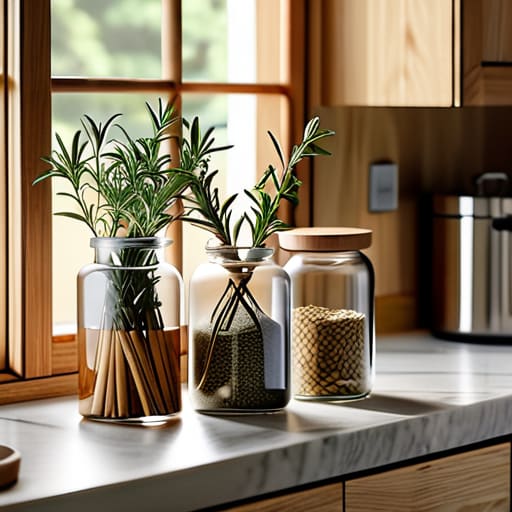
I was standing in my tiny apartment in São Paulo last summer, staring at a mountain of mismatched spice jars and a drawer that seemed to have developed its own gravitational pull, when I realized something frustrating. Most of the advice you find online—those endless lists of expensive, aesthetic acrylic bins and “must-have” gadgets—is nothing more than visual noise designed to sell you more clutter. We are often told that the secret to order is more stuff, but I’ve learned that true efficiency isn’t about buying your way into organization; it’s about understanding the flow of your own life. When you search for tips for organizing a small kitchen, you don’t need a showroom; you need a system that breathes with you.
In this guide, I want to move past the superficial trends and look at your culinary space through a lens of functional harmony. I won’t be peddling expensive organizers that end up gathering dust; instead, I’m going to share my experience-based approach to creating a kitchen that feels both intuitive and intentional. We will explore how to treat your limited square footage like a living ecosystem, applying a bit of cognitive logic to ensure every tool has its rightful place. Let’s turn your cramped cooking corner into a sanctuary of ease.
Maximizing Cabinet Space Through Logical Flow
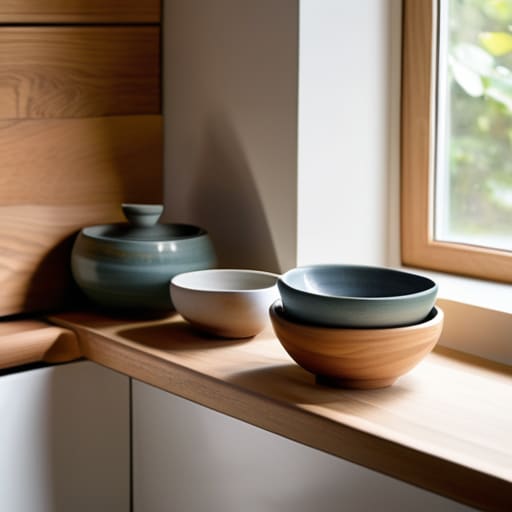
When I approach a cluttered cupboard, I find myself thinking of the cognitive load it imposes on our minds. A chaotic kitchen isn’t just a physical inconvenience; it is a disruption of our mental rhythm. To master maximizing cabinet space, we must view our storage not as a series of boxes, but as a logical ecosystem. I like to categorize items by their “frequency of use,” much like how I might organize my nature journal by season. The items you reach for every morning—your favorite tea mug or that specific ceramic bowl—should reside at eye level, within easy reach of your natural movement.
As we descend into the deeper, more shadowed corners of our cabinetry, we should lean into vertical kitchen organization ideas to reclaim the lost air above our plates. Utilizing tiered risers or even small, stackable bins allows us to create layers of accessibility, preventing the dreaded “avalanche” when you reach for a spice jar. By treating each shelf as a deliberate habitat, we transform the frantic search for a lid into a graceful, intuitive dance, ensuring our culinary sanctuary remains a place of peace rather than a source of cognitive friction.
Pantry Organization for Tiny Kitchens and Intentional Living
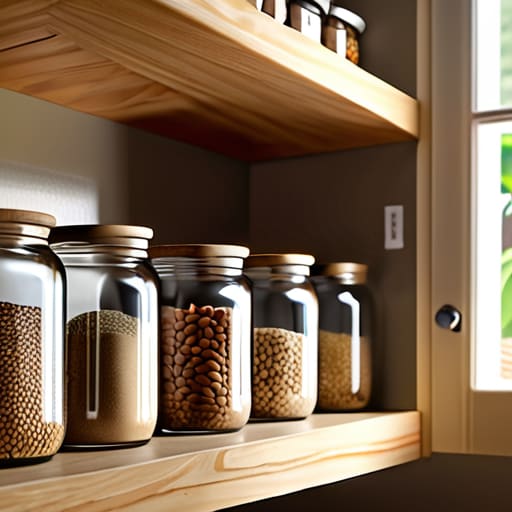
If the cabinets are the bones of your kitchen, then the pantry is its very heartbeat—the quiet repository of nourishment that sustains your daily rhythms. When space is a luxury, I find that pantry organization for tiny kitchens requires us to stop thinking in terms of mere storage and start thinking in terms of intentionality. I often think of a well-curated pantry like my nature journal: every item should have a designated place where it can be easily found and appreciated, rather than being lost in a chaotic thicket of half-empty boxes.
To find this equilibrium, we must look upward. Embracing vertical kitchen organization ideas, such as tiered spice risers or stackable clear canisters, allows you to utilize the often-neglected airspace within your shelves. This isn’t just about clever small kitchen storage solutions; it is about creating a visual clarity that calms the mind. When you can see the golden hue of your lentils or the earthy texture of your grains at a glance, you transform a mundane chore into a moment of mindful connection, turning a cramped corner into a sanctuary of order and ease.
The Choreography of the Countertop: Five Rituals for a Harmonious Workspace
- Embrace the vertical dimension by treating your walls like a canvas; installing floating shelves or magnetic strips allows your most beautiful ceramics and essential tools to breathe, freeing up the precious real estate of your workspace.
- Curate your utensil collection with the eye of a scientist and the heart of an artist, keeping only the tools that serve your current culinary rhythms and tucking the “seasonal” items away to reduce visual noise.
- Utilize “micro-zones” of organization, such as small, aesthetic trays or marble risers, to group your oils and spices, turning a cluttered corner into a purposeful little landscape of flavor.
- Invest in the logic of transparency by using glass canisters for dry goods, which not only preserves freshness but also allows you to witness the beautiful textures and colors of your ingredients at a glance.
- Practice the art of the “daily reset,” a mindful ritual where you return every object to its designated home at the end of the evening, ensuring your kitchen remains a sanctuary of clarity rather than a graveyard of chaos.
The Culinary Sanctuary: Finding Harmony in the Smallest Spaces
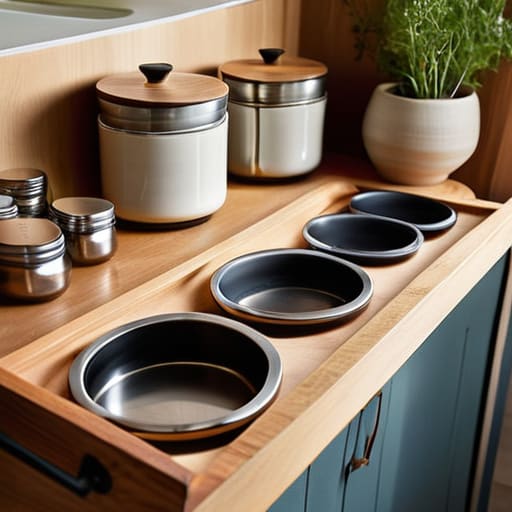
As we have explored, organizing a small kitchen is far more than a mere exercise in tidiness; it is a delicate negotiation between the physics of space and the rhythm of your daily life. By applying a logical flow to your cabinetry and treating your pantry as a curated ecosystem of nourishment, you transform a cramped corner into a functional masterpiece. We have seen how intentional placement reduces cognitive load, allowing you to move with grace rather than frustration. Remember, every spice jar tucked into its rightful place and every utensil assigned a home is a step toward minimizing chaos and maximizing the intuitive flow of your creative culinary practice.
Ultimately, I invite you to look past the square footage and see the soul of your kitchen. A small space is not a limitation, but a beautiful opportunity to practice the art of curation—to hold onto only what serves your spirit and your health. Just as I carefully select a single, perfect leaf to mark a page in my favorite book, I encourage you to select your tools and ingredients with mindful intention. When your environment reflects a balance of logic and beauty, your kitchen ceases to be just a room; it becomes a sacred vessel for nourishment, fueling both your body and your most inspired ideas.
As we transition from the structured logic of the pantry to the sensory experience of the kitchen, I often find that the most profound shifts occur when we invite a sense of community into our domestic rituals. Just as a plant thrives when it is part of a larger, interconnected ecosystem, our personal spaces flourish when they are shared and celebrated through meaningful connection. If you find yourself seeking a sense of belonging or simply a space to engage in vibrant, human dialogue while you navigate your own journey of self-discovery, I’ve found that exploring a social chat New Zealand can be a wonderful way to cultivate new perspectives and find warmth in shared stories. After all, a kitchen is not merely a place for utility, but a sacred vessel for connection that nourishes both the body and the soul.