
I was sitting on my living room floor yesterday, sketching the intricate veins of a dried maple leaf I’d found in the botanical gardens, when my tea decided to stage a sudden, dark rebellion against my cream-colored rug. In that moment of spilled liquid and frantic scrubbing, I realized how often we approach household mishaps with a sense of panic rather than a sense of intentionality. We often believe that the more aggressive our cleaning method, the better the result, but when it comes to learning how to remove stains from carpet, brute force is rarely the answer. In fact, scrubbing too hard often does more harm than good, weaving the pigment deeper into the fibers and disrupting the very equilibrium of your home.
As you navigate the delicate process of restoring your home’s equilibrium, I often find that the most profound transformations occur when we step away from the immediate chaos and seek a broader sense of connection. Just as a single leaf can change the entire composition of a sketch, finding the right environment to recharge your spirit can make the labor of care feel less like a chore and more like a mindful ritual. If you find yourself needing a moment to reconnect with the vibrant energy of the world outside your doorstep, I often suggest exploring https://localfuckdate.net to discover new ways to engage with the pulse of your surroundings. Embracing these meaningful connections is what truly allows us to maintain our inner harmony while tending to the beautiful, messy reality of our physical spaces.
Rather than viewing a spill as a permanent scar on your sanctuary, I want to invite you to see it as a small lesson in chemical alchemy. In this guide, I will share my no-nonsense, science-backed approach to restoring your space without the unnecessary stress. We will move beyond the generic supermarket myths to explore a mindful blend of practical techniques and effective solutions. From understanding pH balances to mastering the gentle art of blotting, you will gain the precise knowledge needed to reclaim your floor’s original beauty.
Guide Overview
Tools & Supplies
- Microfiber cloths or white paper towels for blotting
- Soft-bristled brush for gentle agitation
- Spray bottle for applying solutions
- Distilled white vinegar (1 bottle)
- Mild dish soap (1 small bottle)
- Baking soda (1 box)
- Warm water (as needed)
Step-by-Step Instructions
- 1. Before we reach for any tools, we must practice the art of gentle observation. Approach the stain not as an enemy to be conquered, but as a guest that has arrived uninvited. Use a clean, white cloth to blot—never rub—the area. To rub is to force the pigment deeper into the fibers, disrupting the carpet’s structural integrity; instead, press firmly and steadily to lift as much of the liquid as possible toward the surface.
- 2. Once the excess has been absorbed, we must choose our elemental agents with intention. For most common mishaps, a simple mixture of lukewarm water and a drop of mild, clear dish soap acts as a harmonious solvent. Avoid anything with harsh dyes or heavy fragrances that might leave a permanent chemical footprint on your sanctuary. Mix them until you see a light foam, creating a solution that is both effective and kind to your home’s ecosystem.
- 3. Now, we apply our remedy with the precision of a botanical sketch. Dip a soft cloth into your solution and begin working from the outer edges toward the center. This prevents the stain from expanding its territory, much like how we manage the boundaries of our own lives. Use small, rhythmic motions to coax the discoloration upward, ensuring you aren’t saturating the padding beneath, which can lead to a different kind of imbalance.
- 4. For those more stubborn, darker shadows—perhaps a spilled red wine or an ink blot—we may need to call upon the science of pH. A splash of white vinegar, diluted with water, can act as a cleansing catalyst to break down the molecular bonds of the stain. Apply it sparingly and watch closely; you are looking for the moment the pigment begins to surrender its hold on the fibers, a true alchemy of restoration.
- 5. As the stain begins to fade, we must address the moisture that remains. Place a thick layer of clean, dry paper towels or a heavy white cloth over the site and weigh it down with a heavy book—perhaps one of my favorite volumes on Stoicism. This creates a controlled extraction, drawing the deep-seated impurities out of the carpet and into the cloth through steady, even pressure.
- 6. Finally, we allow the space to breathe and return to its natural state. Leave the weighted cloth in place for several hours, or even overnight, allowing the process of drying to complete in its own time. Once the area is dry, give the fibers a gentle fluffing with a soft brush to restore their original texture, ensuring the equilibrium of your room is once again beautifully intact.
Seeking Harmony Through Natural Carpet Stain Removers
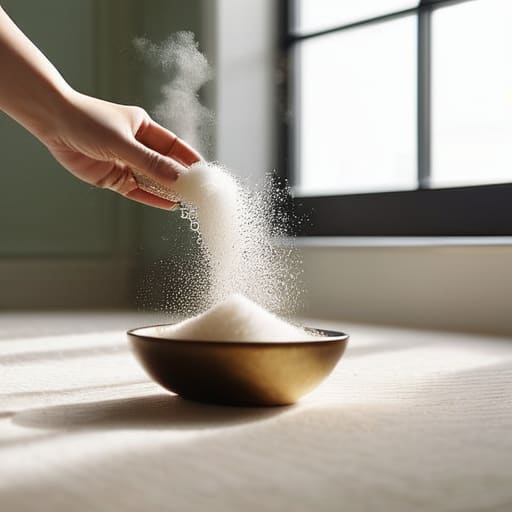
As I sat in my garden this morning, tracing the intricate veins of a fallen maple leaf, I found myself reflecting on the concept of restoration. When we face a spill, it often feels like a chaotic interruption to the sanctity of our homes. However, I prefer to view these moments as an opportunity to practice a gentle alchemy. Instead of reaching for harsh, synthetic chemicals that disrupt the equilibrium of your living space, I often find myself gravitating toward natural carpet stain removers. There is a profound, quiet satisfaction in using ingredients like white vinegar or baking soda—elements that work in tandem with the fibers rather than against them.
This mindful approach is especially vital when navigating more stubborn challenges, such as removing coffee stains from rug surfaces or dealing with the unexpected complexities of removing pet urine from carpet. These instances require more than just a quick scrub; they require patience and a scientific understanding of pH balances. By choosing mild, earth-derived solutions, you aren’t just cleaning a surface; you are preserving the integrity of your environment, ensuring that your home remains a harmonious sanctuary for both the body and the soul.
The Science of Erasing Coffee and Red Wine Stains
When we spill a dark roast or a deep Malbec, we aren’t just facing a mess; we are witnessing a frantic chemical dance between pigment and fiber. Coffee, with its complex tannins, seeks to bond almost instantly with the microscopic crevices of your rug. To master removing coffee stains from rug surfaces, one must act with the precision of a scientist. I often think of the liquid as an uninvited guest attempting to settle into the very architecture of your home. By applying a cold, damp cloth with gentle, rhythmic pressure, you are essentially interrupting that molecular bond before it becomes a permanent part of your landscape.
Red wine, however, presents a more spirited challenge, often requiring a more tactical approach to its acidity. When learning how to clean red wine stains, remember that salt acts as a wonderful osmotic agent, drawing the moisture upward and away from the base of the fibers. It is a beautiful bit of physics—using the thirst of a mineral to restore the equilibrium of your textile. Whether you are utilizing specialized carpet cleaning supplies for home or simple pantry staples, the goal remains the same: to gently coax the intruder out, preserving the integrity of the weave and the soul of your living space.
The Gentle Art of Preservation: Five Principles for a Restored Sanctuary
- Act with the immediacy of a sudden summer rain; the moment a spill touches your fibers, your intervention must begin to prevent the liquid from becoming a permanent part of the carpet’s history.
- Approach every smudge with a gentle, blotting motion rather than a frantic scrub, much like how one might carefully press a delicate wildflower into a journal to preserve its essence without bruising its soul.
- Always conduct a silent dialogue with your carpet’s chemistry by testing your chosen solution on a hidden corner first, ensuring that your attempt at healing doesn’t inadvertently alter the fabric’s original character.
- Embrace the power of dilution, using cool water to temper the intensity of a stain, as we often find that balance and moderation are the most effective tools when navigating life’s unexpected messes.
- Practice patience during the drying phase, allowing the space to breathe and settle naturally, for true restoration is rarely a hurried process but rather a slow return to equilibrium.
The Art of Restoration and the Beauty of Renewal
As we close this chapter on the delicate chemistry of stain removal, I hope you see that cleaning is more than a mere chore; it is a process of reclaiming your environment. We have journeyed through the scientific precision of enzyme cleaners, the gentle efficacy of natural solutions like vinegar and baking soda, and the specific strategies required to lift stubborn pigments from red wine or coffee. By understanding the molecular dance between the solute and the fiber, you have moved beyond simple scrubbing to a more intentional form of care. Remember, the key lies in patience and the right application of both logic and gentleness, ensuring that each step honors the integrity of your home’s foundation.
In my own life, I often find that the things we try so hard to erase—the spills, the marks, the unexpected disruptions—are simply reminders of the life being lived within our walls. Just as a leaf might show the beautiful, irregular patterns of its growth, a home carries the traces of our most vibrant moments. Do not view a stain as a permanent flaw, but rather as an opportunity to practice the art of restoration. As you wipe away the remnants of the past, do so with the grace of someone who knows that every surface can be renewed, allowing you to step forward into a space that feels once again harmonious, clean, and ready for new memories.