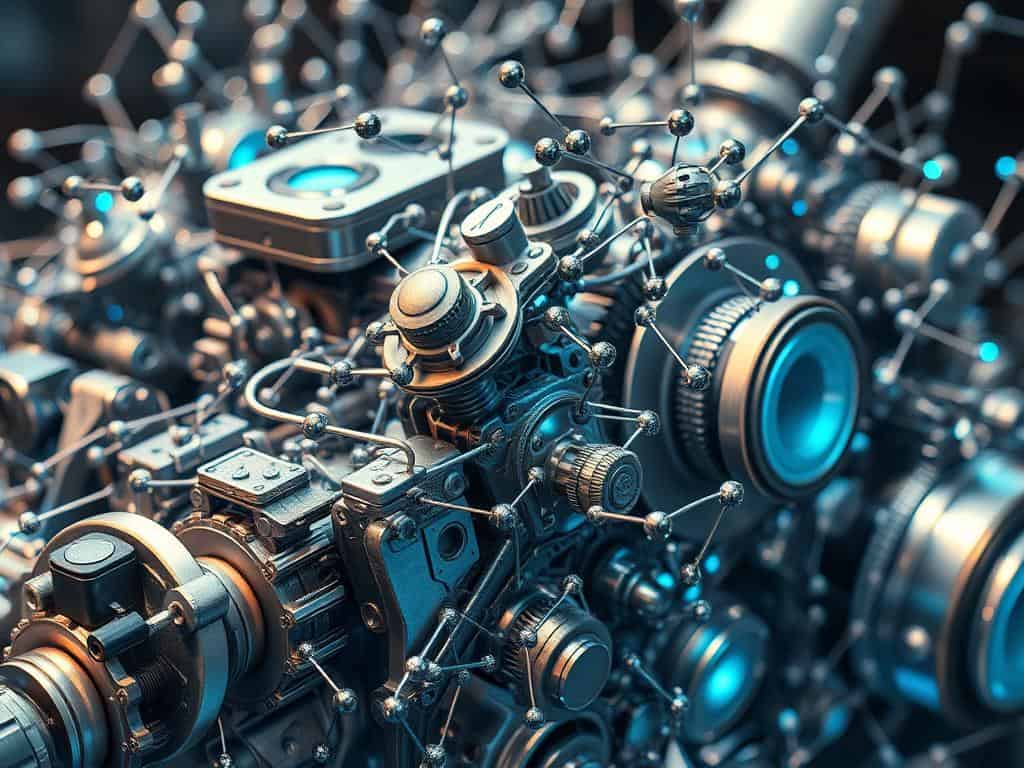
Did you know self-healing vehicles could cut down on maintenance costs? We don’t have exact numbers yet, but the effect on cars is huge. As we dive into self-repairing tech, it’s clear we’re on the edge of a big change in how we maintain things.
This change is thanks to advanced sensors, AI, and new software. Self-healing systems are going to change how we see tech in robotics. They’re moving us from just focusing on mechanical parts to valuing software more.
Let’s look at how self-repairing tech can make things more reliable, cheaper to fix, and last longer. Self-healing cars are leading the way. They show us a future where machines can fix themselves, opening doors to new advancements in many fields.
Key Takeaways
- Self-healing technology offers a promising reduction in maintenance costs for various industries.
- Advanced sensors play a critical role in checking the health of self-repairing systems.
- The shift towards AI and machine learning greatly boosts automated maintenance’s capabilities.
- Over-the-air updates are key to keeping self-repairing tech working well.
- Self-healing materials help reduce wear and tear on devices.
- Self-repairing cars aim to improve safety and reduce environmental harm.
The Rise of Self-Repairing Technology
Self-repairing technology is a big step forward in engineering. It makes systems work better together. These systems can find and fix problems on their own, changing how we do maintenance.
As technology gets more complex, we need new ways to keep things running. Self-repairing systems offer solutions that were thought impossible before.
Understanding Self-Repairing Systems
At their heart, self-repairing systems aim to reduce downtime. They use smart methods to spot problems and fix them fast. This means less time waiting for repairs.
By using AI, these systems can even predict when something might break. The car industry is already using this tech to make vehicles self-healing. This not only saves time but also cuts down on repair costs.
Recent Advancements in Self-Repairing Technology
New developments show how versatile self-repairing tech is. For example, self-healing glass is now available. It fixes small damages on its own, keeping things looking good longer.
Big names like Google and Amazon are also using this tech. They’re making software and cloud services work better with less human help. This move towards automation and saving resources is ongoing.
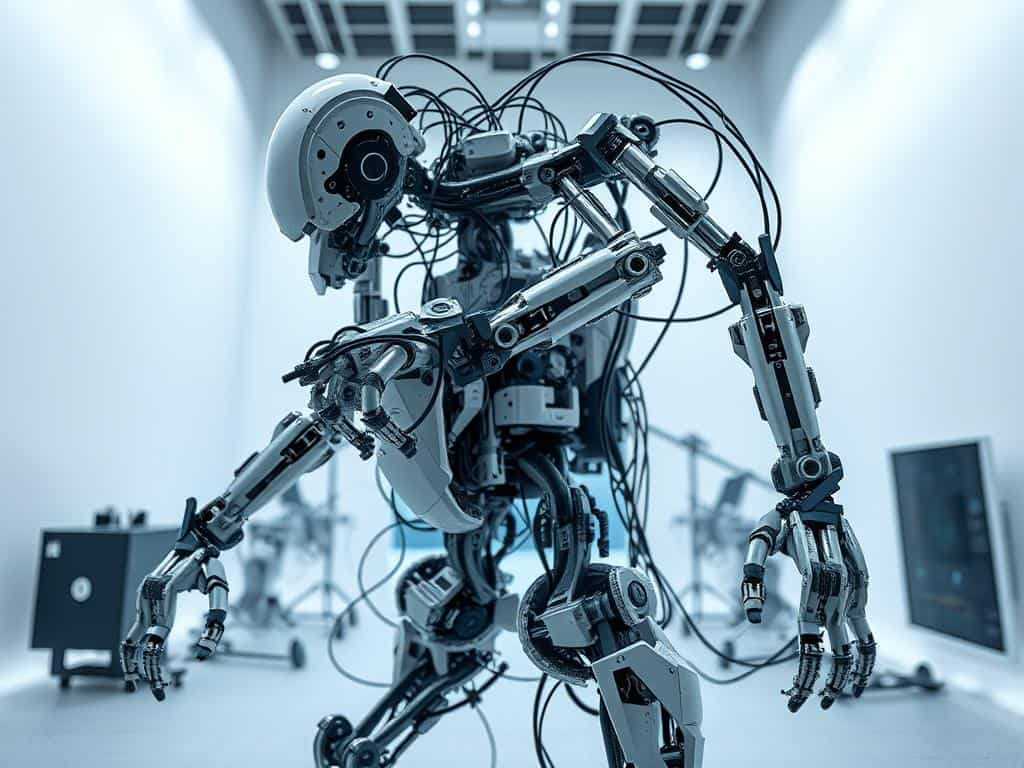
Key Components Enabling Self-Repairing Technology
Self-repairing technology relies on key components for effective maintenance. Advanced sensors collect real-time data on various parameters. For example, in cars, sensors track temperature and speed to spot issues early.
AI and machine learning algorithms are also vital. They analyze data to predict failures and suggest fixes. This makes maintenance proactive, not just reactive. It boosts system reliability, cuts downtime, and improves efficiency.
Innovative software solutions are also critical. Over-the-air (OTA) updates allow for remote fixes and improvements. This keeps systems up-to-date and ready for new challenges. It also saves money by reducing the need for manual repairs and quickening fault fixes.
