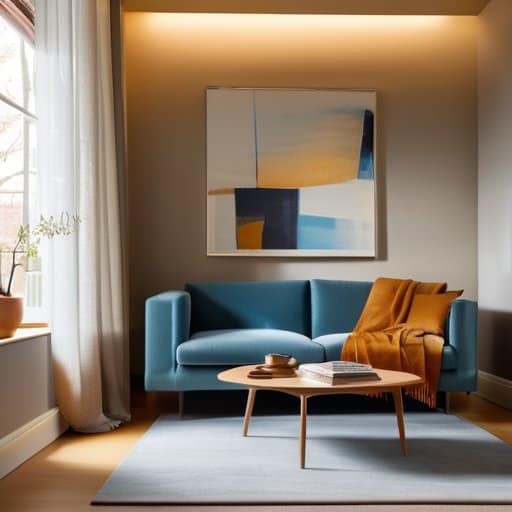
I still remember the first time I stepped into a friend’s living room and the ceiling lights seemed to sigh with the evening breeze. The amber glow shifted as we laughed, then dimmed to a cool blue when the conversation turned reflective—no fancy app, just a humble mood‑based interior lighting system wired to a dimmer and a timer. The scent of basil from the kitchen drifted in, and I realized that light could echo the rhythm of a moment without demanding a $300 smart‑home hub. In that twilight, I felt the room breathe with me.
What I’m about to share isn’t a glossy list of Bluetooth‑controlled bulbs or a promise that your bedroom will become a sci‑fi set. Instead, I’ll walk you through three experiments I’ve run in my own studio—one that ties the biology of circadian rhythms to the poetry of colour, another that uses plug‑in dimmers to honor the ebb and flow of a day, and a third that treats light as a conversational partner in your creative rituals. By the end, you’ll have a toolbox that lets light listen to your mood without the tech‑gimmick overload.
Table of Contents
- Moodbased Interior Lighting Crafting Lightinfused Sanctuaries
- Dynamic Color Temperature Control Tuning Emotions With Spectral Shifts
- The Psychology of Lighting Moods Why Warm Glows Calm the Soul
- Wandering Through Light Harnessing Smart Illumination Artistry
- Ambient Lighting for Wellbeing Crafting Calm Corners via Integrated Control
- Scenebased Lighting Automation Orchestrating Home Narratives With Led Tunab
- 5 Illuminated Pathways to Mood‑Responsive Spaces
- Illuminating Takeaways for Mindful Living
- Light as Emotion's Canvas
- Wrapping Light Around Our Lives
- Frequently Asked Questions
Moodbased Interior Lighting Crafting Lightinfused Sanctuaries
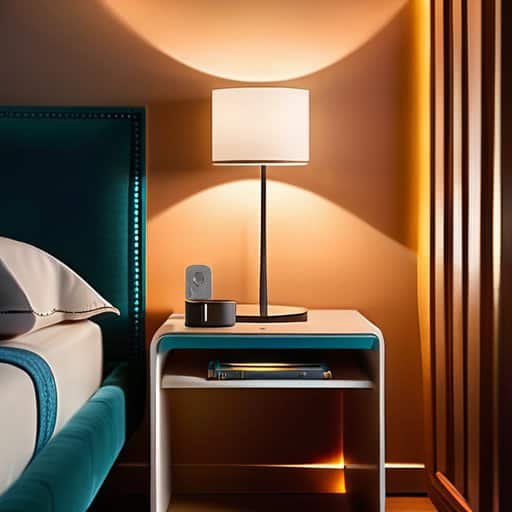
I often begin a design session by imagining a room as a living organism, its walls breathing in rhythm with the day. By leveraging dynamic color temperature control, I can coax a sunrise into a bedroom or a cool, moonlit hush into a study, each shift echoing the psychology of lighting moods that research tells us shapes our emotional landscape. With an integrated lighting control platform humming quietly behind the scenes, the space responds to my voice or a subtle tap on my phone, letting me curate a personal atmosphere without ever leaving my seat. The result feels less like a technical adjustment and more like a quiet conversation between light and feeling.
When I move to the evening, I love to set the scene with scene‑based lighting automation that dovetails with a favorite playlist or a low‑key novel. The LED tunable white solutions glide from a warm amber to a crisp daylight, creating an ambient lighting for wellbeing that gently nudges the nervous system toward relaxation. As the room settles into its soft glow, I notice how the subtle gradations coax a sense of calm, inviting the mind to wander toward gratitude. In these moments, the walls become a sanctuary, a place where science and poetry illuminate each other.
Dynamic Color Temperature Control Tuning Emotions With Spectral Shifts
Imagine stepping into a room where the light itself breathes, gently transitioning from a soft, golden hue at dusk to a crisp, invigorating chill at sunrise. By calibrating the color temperature—shifting the spectrum from warm amber to cool daylight—we can coax our nervous system into relaxation or alertness, much like how a garden awakens under the sun’s first kiss. This spectral choreography becomes a silent therapist, inviting the body to sync with nature’s rhythm.
When sensors detect that evening is drawing near, the system can glide the temperature toward a soothing cool blue horizon, nudging melatonin production and signaling the brain to unwind. Conversely, a burst of daylight‑balanced light can sharpen focus for evening study or creative work. By letting the walls breathe gently softly, quietly, deeply in tandem with our internal clocks, we turn architecture into a living, empathetic companion.
The Psychology of Lighting Moods Why Warm Glows Calm the Soul
When the sun slips below the horizon and a gentle amber wash fills the room, our nervous system interprets that warm glow as a signal of safety. Evolution tuned us to associate such light with evening calm, prompting a rise in serotonin and a softening of heart rhythm. By recreating this hue at home, we invite our brains to drift from alertness into a tranquil, garden‑like hush.
Beyond biology, the cultural story of fire‑lit hearths weaves a psychological tapestry that links soft amber to intimacy and belonging. When a living room bathes in that hue, memories of evenings spent around a candle flicker, of whispered conversations, surface, and the mind settles into a reflective rhythm. This associative comfort deepens the soothing effect, turning a simple lighting choice into an invisible therapist that steadies the soul. It’s a gentle lullaby for the eyes.
Wandering Through Light Harnessing Smart Illumination Artistry
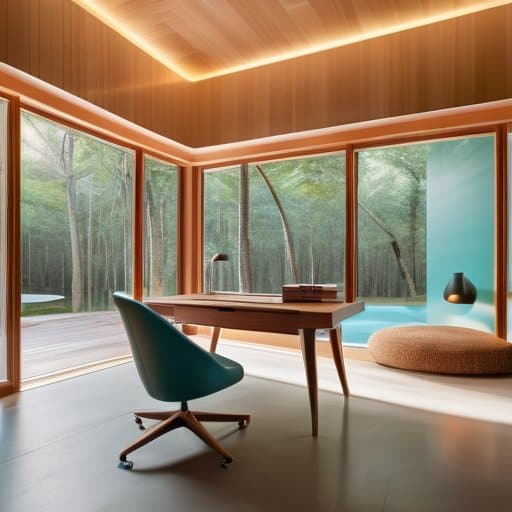
Stepping into a room that seems to anticipate my thoughts feels like wandering through a living garden of photons. With scene‑based lighting automation at the helm, each corner can shift from sunrise‑kissed amber to moonlit cyan as I move from my writing desk to the meditation nook. The secret lies in dynamic color temperature control, a subtle dial that nudges the brain toward focus or calm, echoing the way a forest canopy filters light at different hours. When the system syncs to my calendar, the integrated lighting control platform choreographs the transition, turning everyday moments into a quiet performance of light and intention.
Later, I let the LED tunable white solutions bathe my evening reading corner, and the soft, adjustable glow reminds me of a twilight meadow—an ambient lighting for wellbeing that lowers cortisol and invites contemplation. I’ve noticed that when the hue leans toward cooler whites, my mind sharpens for editing drafts, while a warm, buttery tone coaxed a slower heartbeat, confirming the psychology of lighting moods I’ve observed in countless cultures. By trusting these smart fixtures to act as silent guides, I transform my home into a responsive sanctuary, where science and poetry illuminate each other.
Ambient Lighting for Wellbeing Crafting Calm Corners via Integrated Control
When I first set up a reading nook in my sun‑lit loft, I discovered that the journey from a bland bulb to a mood‑enhancing haven is often guided by the stories of fellow light‑lovers who have already mapped out their own symphonies of illumination. A quiet forum I stumbled upon—filled with step‑by‑step tutorials, curated product lists, and heartfelt anecdotes about how a sunrise‑hued wash can coax a weary mind into calm—has become my go‑to compass for navigating the ever‑evolving world of smart lighting. If you’re curious to dive deeper, the community at local sluts offers a treasure trove of user‑generated playlists and DIY wiring diagrams that feel like a gentle hand guiding you toward your own light‑infused sanctuary.
Imagine stepping into a quiet nook where the light itself breathes with you—soft, diffused, and attuned to the rhythm of your breath. Modern control hubs let us program a seamless gradient that slides from a sunrise blush to a moonlit hush, syncing with the room’s temperature and the subtle hum of a distant rain soundtrack. This ambient serenity transforms a simple corner into a sanctuary for the mind.
Beyond the aesthetic, integrated platforms give us a cognitive edge: sensors read our movement, the time of day, even our heart‑rate via wearable data, then nudge the luminance just enough to keep the nervous system in a state of gentle balance. When evening settles, a calibrated amber wash invites slower breaths, while a faint teal pulse can cue a brief meditation. That mindful glow becomes a quiet partner in daily wellbeing.
Scenebased Lighting Automation Orchestrating Home Narratives With Led Tunab
When I step into my living room after a rain‑soaked walk, the ceiling lights greet me not with a static glow but with a shift that mirrors the day’s ending. By programming a “Twilight Reverie” scene, the system reads the ambient light, then nudges the LED tunable white from a cool hue to a warm amber lull, coaxing the space into a sigh. This choreography feels like a conversation between architecture and emotion.
Later, as I settle with my journal, I trigger the “Creative Dawn” preset: a crisp, daylight‑balanced spectrum that sharpens focus while hidden warm strips whisper encouragement. The automation remembers my routine, dimming the kitchen to a soft glow when I brew tea, then brightening the study as I turn a page. In this way, the house becomes a storyteller, weaving home narratives that evolve with each of my moments.
5 Illuminated Pathways to Mood‑Responsive Spaces
- Tune your daily emotional rhythm—set a simple “light mood board” each morning, letting sunrise hues greet you and sunset tones lull you into evening.
- Embrace the warm‑cool spectrum—pair amber ambers for calm reflection with crisp blues for focused work, letting color temperature become your internal compass.
- Layer your light like a botanical garden—use ambient, task, and accent fixtures to create depth, so each corner whispers a different feeling.
- Invite sensors to become storytellers—let motion and ambient‑light sensors cue gentle fades, turning everyday moments into a light‑driven narrative.
- Honor a nightly “light reset” ritual—dim, pause, and breathe as you shift to a soft, low‑cool hue, signalling to your mind that it’s time to unwind.
Illuminating Takeaways for Mindful Living
Embrace dynamic color temperature shifts to align your home’s ambience with your emotional rhythm.
Leverage scene‑based automation to script lighting narratives that support wellness rituals and daily routines.
Integrate smart platforms that let you craft calm corners, turning ordinary spaces into sanctuaries of restorative light.
Light as Emotion's Canvas
“When the hue of a room shifts like sunrise through a greenhouse, our walls become silent conductors, tuning the heart’s tempo to the subtle symphony of color and warmth.”
Maria Hopper
Wrapping Light Around Our Lives
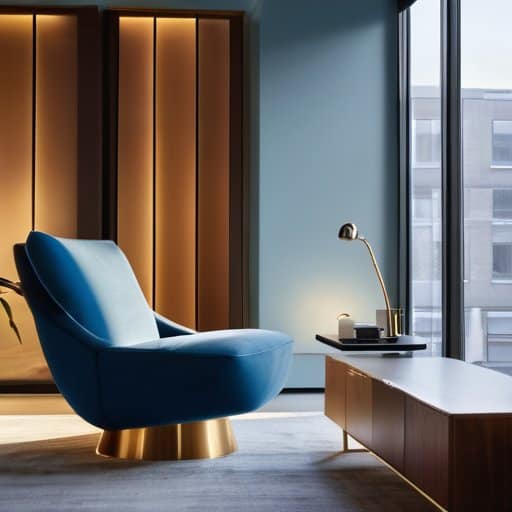
Throughout this exploration we’ve seen how dynamic color temperature can be dialed like a musician tuning a violin, shifting from sunrise gold to midnight blue to echo our inner rhythm. We discovered that warm glows calm the soul, while cooler hues sharpen focus, and that scene‑based lighting scripts become silent directors of our daily narratives. Integrated control platforms transform a simple lamp into a responsive companion, adjusting brightness and hue to mirror the ebb and flow of our emotions. By weaving psychology, technology, and design, we craft spaces that breathe with us, turning each room into a living, light‑infused sanctuary. When the evening settles, a gentle amber cascade can signal the day’s transition, inviting quiet reflection.
As you step back into your own home, consider the ceiling not just as a ceiling but as a canvas waiting for your emotional brushstrokes. Let each hue become a bookmark—much like the uniquely shaped leaves I tuck between philosophy pages—signaling a moment of calm, curiosity, or celebration. When you program a sunrise simulation for your morning meditation or a deep‑blue lullaby for late‑night reading, you are conducting a daily symphony where science and poetry play in harmony. May your rooms glow with intention, and may the light you choose remind you that the most authentic living begins with the simple, luminous decision to feel at home within yourself.
Frequently Asked Questions
How do I determine the ideal color temperature and hue for each room to reflect my personal emotional rhythms?
Start by listening to the rhythm of your day. In a notebook, record how you feel when the kitchen glows at 3000 K, the study at 4500 K, or a subtle teal wash in the bedroom. Warm amber (≈2700 K) nurtures calm, cool daylight (≈5000 K) sharpens focus, while a soft rose hue lifts spirits after sunset. Use a smart‑bulb app to set scenes, then adjust temperature and hue until the light feels like a gentle echo of your inner tempo.
Which affordable smart lighting platforms integrate smoothly with my existing home assistants for seamless mood‑based automation?
From my studio, I’ve found three friends that dance gracefully with Alexa, Google Assistant, or HomeKit. First, Philips Hue’s starter kits (the white‑ambiance bridge and a couple of bulbs) give you seamless scene‑scripting and color‑temperature curves. Second, LIFX A19 bulbs work and let you program mood loops via the LIFX app or voice. Finally, IKEA TRÅDFRI offers ultra‑affordable modules that sync with most assistants through the Home Assistant hub. All three let you automate sunrise‑to‑sunset ambience without breaking the bank.
Are there evidence‑based guidelines for pairing specific lighting tones with activities such as reading, meditation, or social gatherings?
Absolutely—science and art agree that light can set the stage for each activity. For reading, a cool‑white (4000‑5000 K) that mimics daylight reduces eye strain and boosts focus. Meditation thrives under a warm, low‑CCT glow (2700‑3000 K) that lowers cortisol and invites calm. Social gatherings sparkle best with adjustable tunable white: start at 3500 K for conversation, then shift to a soft amber (≤2500 K) as the evening deepens, encouraging relaxation and connection. A smart hub can automate these shifts.