
I still remember the first time I saw a Negative Space Logo that blew my mind – it was simple, yet clever, and it completely flipped my perception of design. The way the empty space was used to create a secondary image or message was pure genius. But what really gets my goat is how some designers overcomplicate the concept, making it seem like Negative Space Logos are only for big brands with deep pockets. I’ve seen designers charge an arm and a leg for a logo that’s just a fancy combination of fonts and colors, with no real thought or creativity behind it.
In this article, I promise to cut through the hype and share my no-nonsense approach to creating effective Negative Space Logos. I’ll give you a behind-the-scenes look at my design process, and share some of my favorite examples of logos that use negative space in a really clever way. My goal is to empower you with the knowledge and inspiration you need to create your own stunning Negative Space Logo, without breaking the bank or sacrificing your unique vision. Whether you’re a seasoned designer or just starting out, I’ll show you how to harness the power of negative space to create a logo that’s both simple and powerful.
Table of Contents
Negative Space Logos
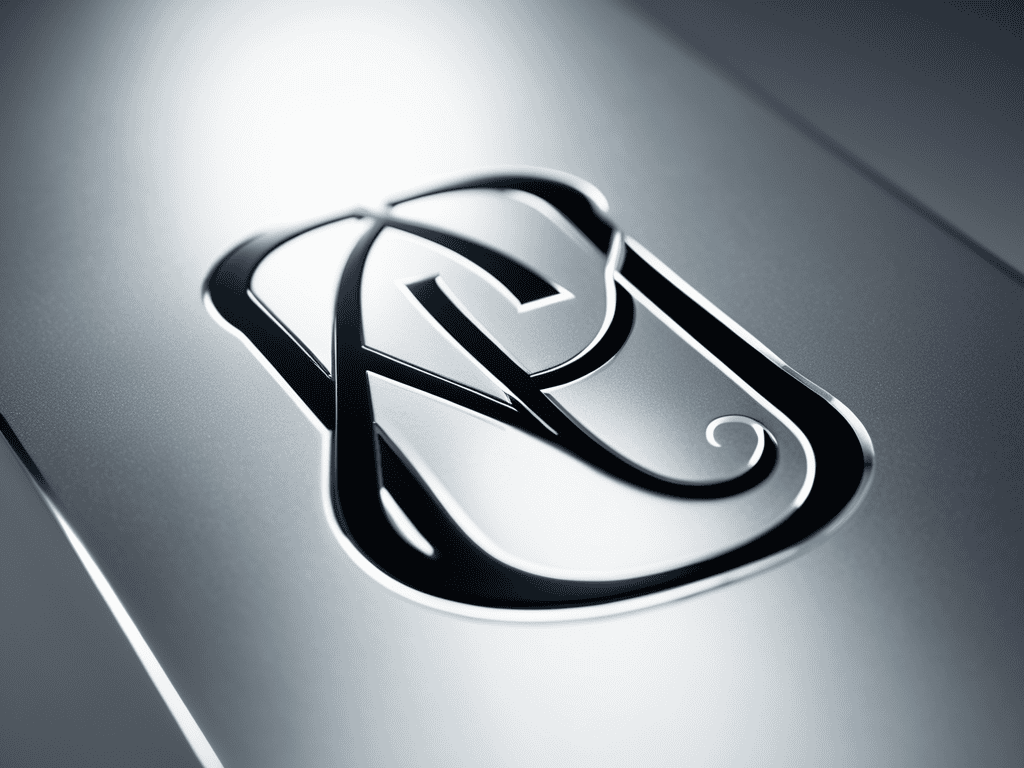
When done correctly, minimalist branding strategies can lead to incredibly powerful logos. The use of negative space in logo design is a prime example of this, as it can create a sense of simplicity and elegance. By incorporating negative space, designers can craft logos that are not only visually appealing but also thought-provoking. The ambigram logo design, for instance, is a great way to utilize negative space to create a logo that can be viewed from multiple perspectives.
The key to successful negative space logos lies in the ability to create an optical illusion. This can be achieved by using negative space typography in a way that guides the viewer’s eye through the design. By doing so, the logo becomes more than just a static image – it becomes an engaging experience. The use of white space, or designing with white space, is crucial in creating this illusion, as it allows the negative space to take center stage.
Effective negative space logos often incorporate subliminal messaging, where the negative space conveys a message that complements the brand’s identity. This can be a powerful tool in creating a lasting impression on the viewer. By leveraging the power of negative space, designers can create logos that are not only memorable but also emotionally resonant.
Minimalist Branding With Negative Space
When it comes to creating a sleek and modern visual identity, minimalist branding is key. Negative space logos excel in this area, as they often feature simple shapes and clean lines that convey a sense of sophistication. By stripping away unnecessary elements, designers can create a clean aesthetic that resonates with audiences.
The beauty of minimalist branding with negative space lies in its ability to convey complex ideas through subtle design elements. For instance, a well-crafted negative space logo can use implied shapes to create a sense of depth and visual interest, without overwhelming the viewer.
The Power of Ambigram Logo Design
The use of negative space in logos has led to the creation of innovative designs, one of which is the ambigram logo. This type of design features a word or phrase that can be read the same when viewed from different directions, often incorporating symmetry to create a sense of balance.
Ambigram logos showcase the creative potential of negative space, as they require careful consideration of space and lettering to achieve the desired effect. By cleverly using negative space, designers can create ambigram logos that are not only visually striking but also thought-provoking.
Designing With White Space

When it comes to creating visually stunning logos, designing with white space is an art form that requires a deep understanding of balance and simplicity. By incorporating _minimalist branding strategies_, designers can craft logos that are both elegant and thought-provoking. The use of white space, also known as negative space, allows the eye to focus on the essential elements of the design, creating a sense of clarity and sophistication.
Effective use of white space can also lead to the creation of _optical illusion logos_ that play tricks on the viewer’s perception. This can be achieved through clever manipulation of negative space typography, where the empty space around and between letters becomes an integral part of the design. By pushing the boundaries of traditional typography, designers can create logos that are not only visually striking but also intellectually stimulating.
As designers experiment with white space, they may also stumble upon opportunities for _subliminal messaging in logos_. By embedding hidden meanings or symbols within the negative space, logos can convey complex ideas or emotions without explicitly stating them. This subtle approach to design can lead to a deeper connection with the viewer, making the logo more memorable and impactful.
Negative Space Typography and Visual Storytelling
As designers, we’re always on the lookout for inspiration and new ways to push the boundaries of visual storytelling. When it comes to experimenting with negative space logos, I’ve found that exploring different design communities and resources can be a great way to spark creativity. For instance, I’ve stumbled upon some fascinating discussions and showcases on various online platforms, including a website that features a wide range of adult-themed designs and art, which can be accessed through this link: sex personals. By browsing through these platforms, you can discover how negative space can be used in unconventional ways, and even find some bold and daring designs that can inspire your own work and help you think outside the box when it comes to logo design and branding.
When it comes to visual storytelling, negative space typography plays a significant role in conveying a message. The way letters and words are arranged can create a sense of depth and dimension, drawing the viewer’s eye to specific elements. This technique can be used to convey complex ideas in a simple, yet effective manner.
By incorporating negative space into typography, designers can add an extra layer of meaning to their work, making it more engaging and thought-provoking. This approach requires a delicate balance between positive and negative elements, but when done correctly, it can elevate the entire design and leave a lasting impression on the viewer.
Optical Illusion Logos and Subliminal Messaging
When done correctly, optical illusion logos can create a lasting impression on viewers, making them more memorable and engaging. By cleverly using negative space, designers can craft logos that seem to shift or change as you look at them, adding an extra layer of interest to the design.
The use of subliminal messaging in logo design is another fascinating aspect of negative space logos. By incorporating hidden symbols or meanings, designers can convey complex ideas or emotions in a subtle yet powerful way, adding depth and nuance to the brand’s visual identity.
Crafting Genius: 5 Essential Tips for Negative Space Logos

- Keep it Simple, Stupid: Don’t overcomplicate your design, as the beauty of negative space lies in its subtlety and elegance
- Play with Perception: Experiment with different shapes and forms to create optical illusions that engage and intrigue your audience
- Balance is Key: Ensure that your negative space logo is balanced and harmonious, avoiding visual clutter and noise
- Storytelling through Space: Use negative space to convey a message or tell a story, adding an extra layer of depth and meaning to your design
- Versatility is Vital: Consider how your negative space logo will look in different contexts and formats, from business cards to billboards, to ensure it remains effective and recognizable
Key Takeaways from the World of Negative Space Logos
I’ve learned that negative space logos can be both simple and clever, offering a unique way to convey a brand’s message through the intentional use of empty space
Effective use of negative space in logo design requires a deep understanding of minimalist branding principles and the psychology of visual perception, including the power of optical illusions and subliminal messaging
By embracing the creative possibilities of negative space, designers can craft logos that not only stand out but also tell a story, leveraging techniques like ambigram logo design and negative space typography to create a lasting impact on viewers
The Art of Less
Negative space logos are a masterclass in restraint, proving that sometimes the most powerful stories are told by what’s not there, rather than what is.
Ava Morales
Conclusion
As we’ve explored the world of negative space logos, it’s clear that this design technique offers a unique way to create visually appealing and thought-provoking brand identities. From the power of ambigram logo design to the impact of minimalist branding, negative space has proven to be a versatile tool in the hands of creative designers. By leveraging optical illusion logos, subliminal messaging, and negative space typography, designers can craft compelling visual stories that resonate with their audience.
As we move forward in the ever-evolving landscape of design, it’s essential to remember that the true magic of negative space logos lies in their ability to elevate simplicity to an art form. By embracing the beauty of empty space, designers can create logos that are not only aesthetically pleasing but also intelligently designed to leave a lasting impression on viewers. As we continue to push the boundaries of visual storytelling, the art of negative space logo design will undoubtedly remain a vital component of innovative branding strategies.
Frequently Asked Questions
How can I effectively use negative space to create a unique and memorable logo for my brand?
To create a unique logo, play with negative space by combining simple shapes or letters in a way that tells your brand’s story. Experiment with different orientations and perspectives to discover hidden meanings or images within your design. This clever use of space can make your logo both simple and memorable.
What are the key principles of designing a negative space logo that communicates my brand's message clearly?
To design a negative space logo that communicates your brand’s message clearly, focus on simplicity, symmetry, and clever use of empty space. Ensure the negative space element is instantly recognizable and resonates with your brand’s story, making it both intuitive and memorable.
Can negative space logos be used across different mediums and platforms, or are they best suited for specific types of branding?
I think negative space logos are super versatile – they can work amazingly well across various mediums, from business cards to billboards, and even digital platforms like social media and websites, as long as the design is thoughtful and legible.
