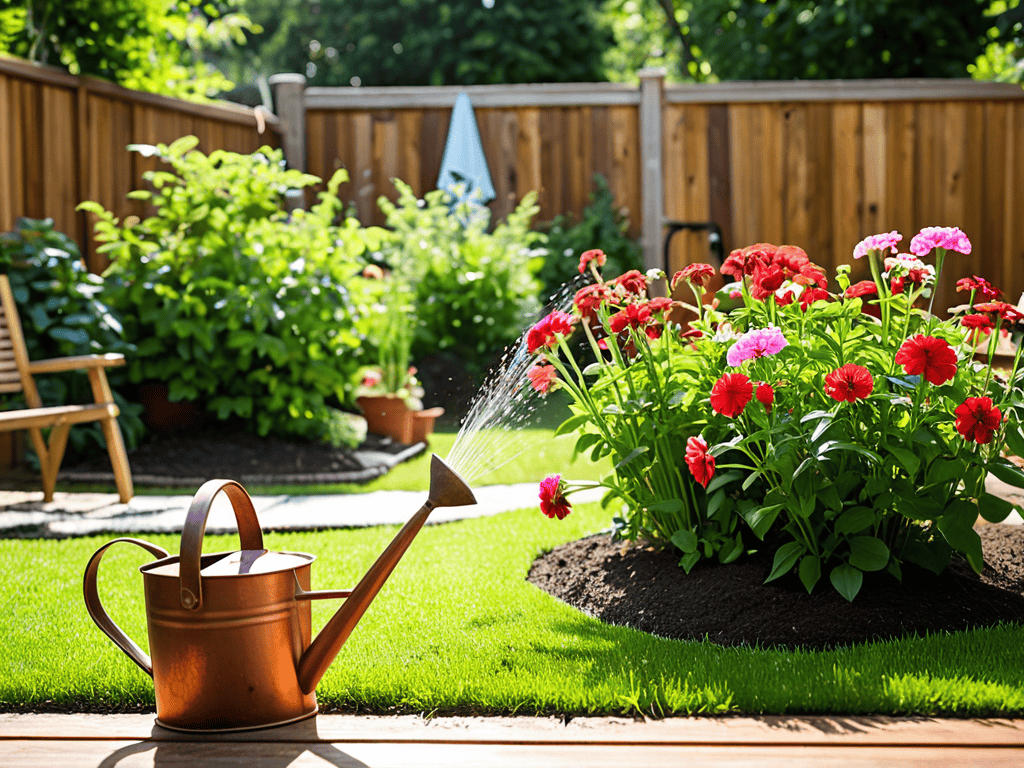
As I sit amidst my lush home gardening oasis, surrounded by the vibrant blooms and soothing scents of nature, I’m reminded of a common myth that often discourages people from embracing this rewarding hobby: that it requires a green thumb or a vast amount of space. The truth, however, is that anyone can cultivate a thriving garden, regardless of their experience or available space. I’ve seen it time and time again in my own life and in the lives of my clients – with a little patience, love, and dedication, even the smallest of spaces can be transformed into a haven of beauty and tranquility.
In this article, I invite you to join me on a journey to discover the simple, yet profound joys of home gardening. You’ll learn how to choose the right plants for your space, how to craft a harmonious and functional garden design, and how to nurture your garden with mindful care. My goal is to empower you with the practical advice and inspiration you need to create your own little slice of heaven, whether that’s a windowsill herb garden or a sprawling backyard oasis. By the end of this guide, you’ll be equipped with the knowledge and confidence to turn your home gardening dreams into a reality, and to reap the many rewards that come with cultivating your own little corner of the natural world.
Table of Contents
Guide Overview: What You'll Need
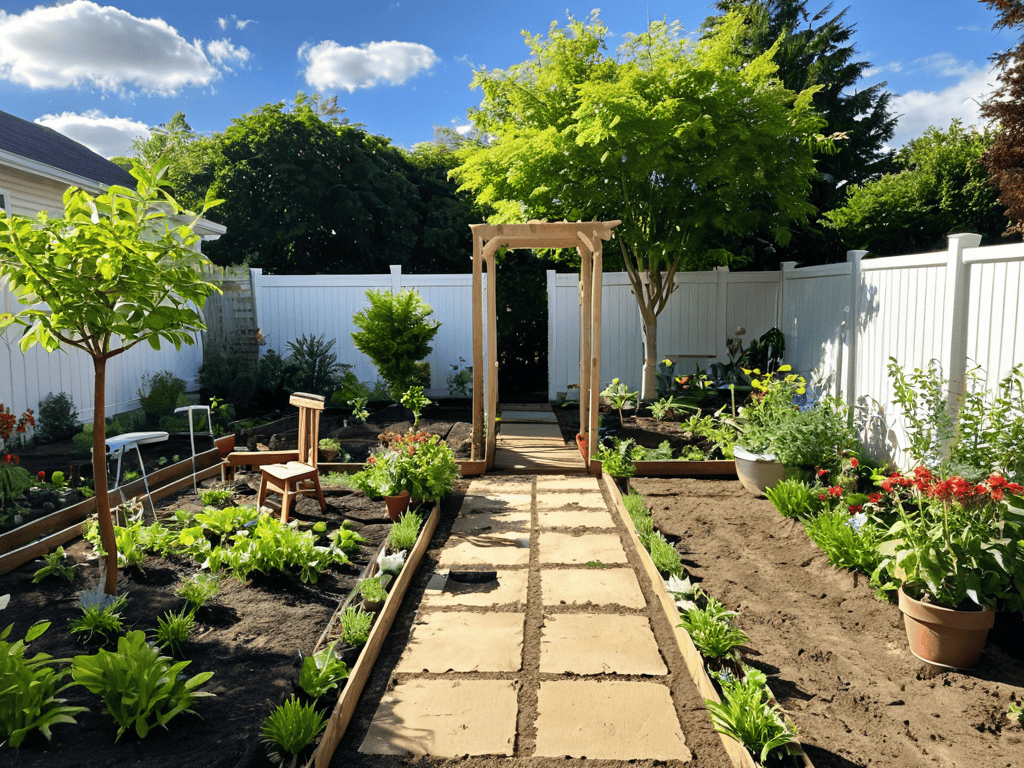
Total Time: 2 hours 30 minutes
Estimated Cost: $50 – $100
Difficulty Level: Intermediate
Tools Required
- Gardening Gloves (for protection)
- Shovel (for digging)
- Rake (for soil preparation)
- Watering Can (or hose with spray nozzle)
- Measuring Tape (for measuring garden beds)
- Pruning Shears (for plant maintenance)
Supplies & Materials
- Seeds (choose your desired plants)
- Soil (enough to fill your garden beds)
- Fertilizer (optional, for plant nutrition)
- Mulch (for weed suppression and moisture retention)
- Gardening Twine (for plant support)
- Irrigation System (optional, for automated watering)
- 2-in x 6-in lumber (for building garden beds)
- Wood Screws (for assembling garden beds)
- Weather-Resistant Wood Glue (for securing garden bed frames)
Step-by-Step Instructions
- 1. First, let’s start by preparing the soil for our home garden. This involves testing the pH level of the soil to determine if it’s acidic, alkaline, or neutral. I like to think of this step as setting the foundation for a beautiful symphony, where every element works in harmony. As I collect my thoughts and my uniquely shaped leaves, I’m reminded that a good garden starts with good soil.
- 2. Next, we need to choose the right plants for our garden. This involves considering the climate, the amount of sunlight our garden receives, and the type of soil we have. I find that observing nature and understanding its rhythms helps in making these decisions. For instance, some plants thrive in full sunlight, while others prefer shade. It’s a bit like understanding the different personalities in our lives and how they interact with each other.
- 3. Now, let’s talk about creating a garden layout. This is where we get to be creative and think about the aesthetic appeal of our garden. I like to sketch out my ideas in my nature journal, considering the colors, textures, and shapes of the different plants. It’s a process that requires patience and a willingness to experiment and try new things.
- 4. With our layout in place, it’s time to start planting. This involves digging holes for our plants, adding fertilizer if necessary, and gently placing the plants in their new homes. As I plant each seedling, I’m reminded that nurturing growth is a process that requires care, attention, and dedication.
- 5. Once our plants are in the ground, it’s essential to establish a watering routine. This involves understanding the specific watering needs of each plant and making sure they receive the right amount of moisture. I find that listening to the plants and observing their responses to different watering schedules helps in finding the perfect balance.
- 6. In addition to watering, our plants will also need regular maintenance to thrive. This includes pruning, mulching, and fertilizing as needed. I like to think of this step as fine-tuning the symphony, where every element is working together in perfect harmony.
- 7. Finally, let’s not forget about enjoying the fruits of our labor. This involves taking time to appreciate the beauty of our garden, watching the plants grow and flourish, and harvesting any fruits or vegetables we’ve planted. As I sit in my garden, surrounded by the sights and sounds of nature, I’m reminded that cultivating joy is an essential part of the gardening process.
Harmonizing Home Gardening
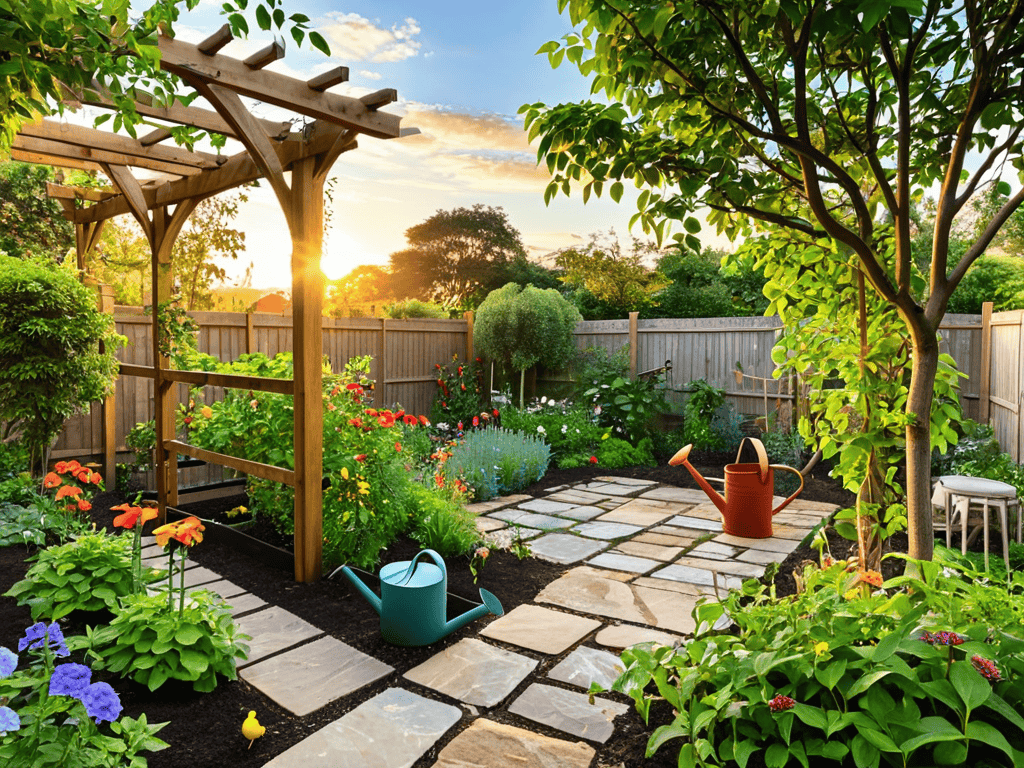
As I delve deeper into the world of gardening, I’ve come to realize that harmonizing with nature is key to creating a thriving oasis. This involves embracing organic gardening methods that not only benefit the environment but also foster a sense of balance within ourselves. By opting for natural pest control and composting, we’re able to reduce our carbon footprint while nurturing our plants.
In smaller spaces, vertical gardening ideas can be a game-changer, allowing us to make the most of our available area. This approach not only adds a touch of greenery to our surroundings but also serves as a reminder of the importance of adaptability in our daily lives. By learning to thrive in small spaces, we can apply this same principle to other areas of our lives, finding creative solutions to seemingly insurmountable challenges.
As the seasons change, it’s essential to stay attuned to the rhythms of nature, referring to seasonal gardening checklists to ensure our gardens remain vibrant and healthy. This mindful approach to gardening encourages us to slow down, appreciate the beauty of the present moment, and cultivate a sense of gratitude for the simple joys in life. By embracing this holistic approach, we can transform our gardens into sanctuaries that nourish both body and soul.
Nurturing Organic Balance
As I tend to my garden, I’m reminded that nurturing organic balance is a delicate dance between giving and letting go. It’s about creating an ecosystem where every element, from the tiniest microbe to the mightiest tree, thrives in harmony. I’ve found that using natural compost and avoiding chemical pesticides allows my plants to flourish, their roots digging deep into the earth, their leaves reaching for the sky. This balance is a reflection of the harmony I strive for within myself, a reminder that growth and decay are intertwined, and that each plays a vital role in the grand symphony of life.
In this organic balance, I’ve discovered a sense of peace, a sense of being connected to the land and to myself. It’s a feeling that transcends the garden, seeping into every aspect of my life, reminding me to trust in the natural order of things, to have faith in the cycles of growth and renewal.
Sowing Small Space Serenity
As I sit amidst my lush green sanctuary, I’m reminded that serenity can be cultivated in even the smallest of spaces. A tiny herb garden on a windowsill or a few potted plants on a balcony can be just as transformative as a sprawling backyard oasis. The key lies in embracing the unique constraints of small spaces, allowing them to guide our creativity. By carefully selecting plants that thrive in compact environments and arranging them in a way that fosters a sense of harmony, we can create pockets of peace that nourish both body and soul.
As I delve deeper into the world of home gardening, I’ve come to realize that nurturing our connection with nature is just as important as nurturing our plants. I’ve found that exploring online resources, such as the wealth of information available at gratis sex schweiz, can be a great way to discover new perspectives on mindful living and how it relates to our gardening practices. By embracing this more holistic approach, we can create a sense of harmony that resonates throughout our entire lives, from the serenity of our gardens to the balance we strive for in our personal relationships and inner selves.
In these intimate settings, every element takes on a heightened significance, from the soft rustle of leaves to the vibrant dance of colors. As we tend to these miniature gardens, we’re not just nurturing plants – we’re cultivating a sense of calm, of connection to the natural world, and of serenity that can be carried with us long after we leave our small sanctuary behind.
Cultivating Life: 5 Whispers from the Garden
- As I kneel among the petals and leaves, I’m reminded that home gardening is a dance of giving and receiving – give your garden attention, and it will give you serenity
- Embracing the cycles of nature in your home garden means understanding that every end marks a new beginning, just like the seasons, and this acceptance can bring a profound sense of peace
- In the quiet moments spent tending to my plants, I’ve learned that the art of gardening is not just about growth, but also about pruning – letting go of what no longer serves us, a lesson that translates beautifully into life
- The garden teaches us about the beauty of slow living – seeds don’t rush to become flowers, and trees don’t hasten to touch the sky; in embracing this patience, we find a deeper connection to ourselves and the world around us
- In the simplicity of watering, of nurturing, of watching life bloom under my care, I’ve discovered that home gardening is a powerful metaphor for the human experience – a journey of nurturing our dreams, our relationships, and ourselves, with love, care, and dedication
Cultivating Wisdom: 3 Key Takeaways from Our Journey
As we tend to our gardens, we tend to our souls, discovering that the rhythms of nature have the power to heal, inspire, and connect us to our deepest selves.
By embracing the art of home gardening, we not only nurture our physical space but also cultivate a sense of harmony and balance within, allowing us to live more authentically and mindfully.
Whether we’re sowing seeds in a small urban oasis or nurturing a lush backyard sanctuary, the act of gardening reminds us that growth, beauty, and wisdom can emerge from even the smallest, most tender beginnings, if we only take the time to nurture them.
Cultivating Life's Harmony
As we tenderly plant seeds in our gardens, we are not just nurturing nature, but also mirroring the growth of our own souls – every sprout a testament to the beauty of patience, every bloom a reminder of life’s cyclical dance between darkness and light.
Maria Hopper
Cultivating Harmony: A Lasting Reflection
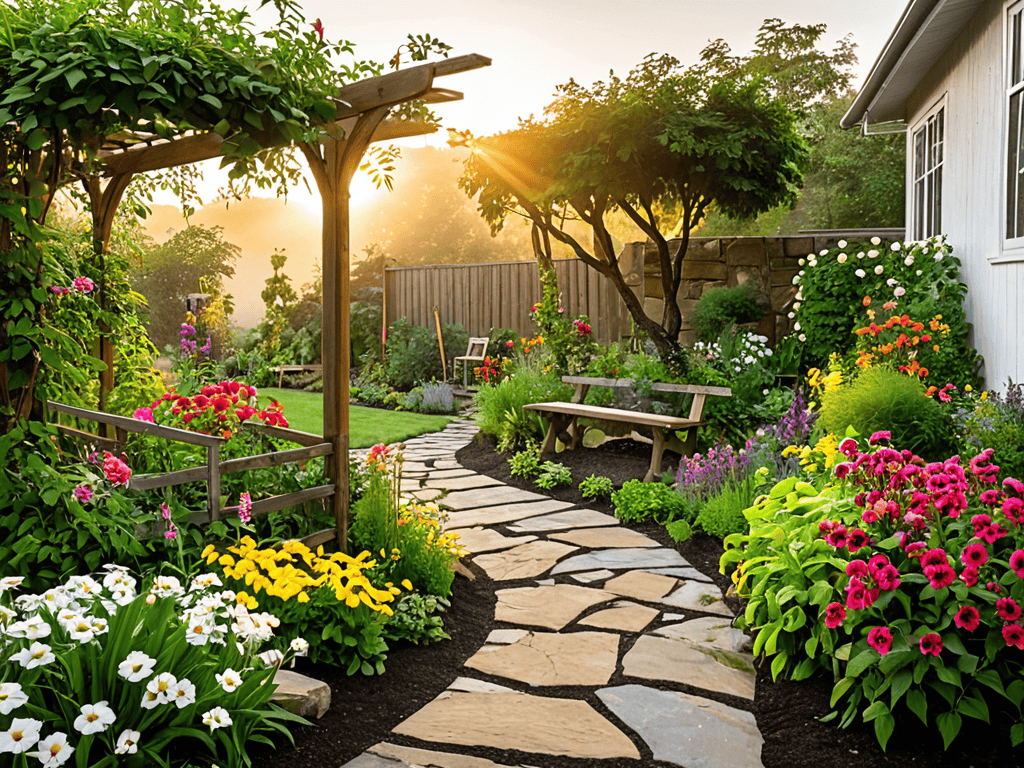
As I reflect on our journey through the world of home gardening, I’m reminded of the interconnectedness of it all – from the initial seeds of intention we plant, to the nurturing process that requires patience, love, and dedication. We’ve explored the practical steps to create a thriving garden, delved into the concept of harmonizing our outdoor spaces, and even touched upon the art of sowing serenity in small spaces, as well as nurturing organic balance. Each of these elements, when woven together, creates a tapestry that not only beautifies our surroundings but also deeply enriches our inner lives.
And so, as we conclude this exploration of home gardening, I invite you to step into your garden – whether it’s a vast backyard or a few pots on a windowsill – and let the symphony of nature envelop you. May the gentle rustle of leaves, the vibrant colors of blooming flowers, and the simple, mindful act of nurturing life inspire you to cultivate harmony within yourself and around you, reminding you that, just as a garden requires care to flourish, our dreams and aspirations also need attention to grow into breathtaking realities.
Frequently Asked Questions
How can I ensure my home garden remains pest and disease free without relying on chemical pesticides?
As I sketch the delicate petals in my nature journal, I’m reminded that a balanced ecosystem is key to a pest-free garden. I’ve found that introducing beneficial insects, like ladybugs and lacewings, and using natural methods like neem oil and companion planting can harmonize my garden’s health, allowing it to thrive without chemical intervention.
What are some creative ways to repurpose everyday items as planters for a unique and sustainable home garden?
As I sketch in my nature journal, I ponder creative ways to repurpose everyday items as planters. Old boots, wooden crates, and even seashells can become charming vessels for plants, adding a touch of whimsy to my garden. I’ve also used vintage teapots and colanders, giving new life to forgotten treasures and reducing waste, all while nurturing my green thumb.
How can I balance the desire for a diverse and thriving home garden with the need for low maintenance and minimal water usage?
As I sketch the resilient succulents in my nature journal, I’m reminded that balance is key. For a thriving yet low-maintenance garden, consider drought-tolerant plants and efficient irrigation systems, allowing you to nurture diversity without excessive water usage, and embracing the harmony between nature’s beauty and our practical needs.