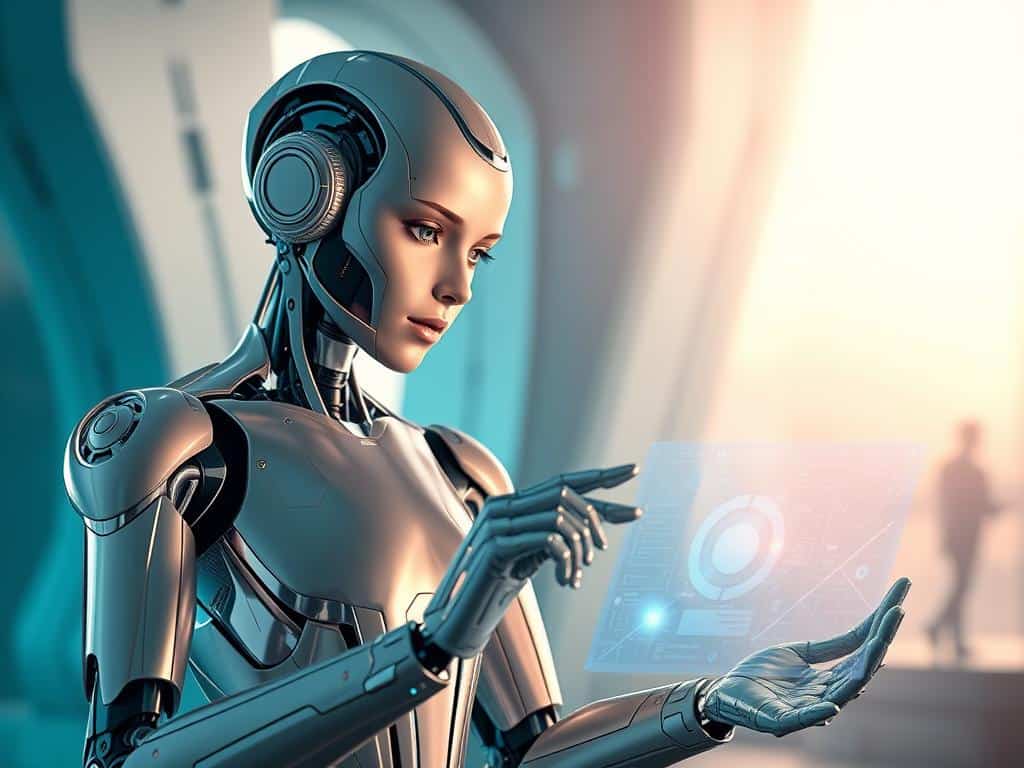
Did you know only 5% to 15% of amputees get advanced prostheses? This shows a big gap in using robots for health. In the world of Human-Robot Interaction (HRI), robots are changing how we work and live. They help people with physical challenges and make our lives better.
Events like “The Evolution of Human-Robot Interaction” bring together experts worldwide. Companies like smartARM work to make health tech more accessible. For example, RasLabs’ new material can change shape easily with low voltage, helping make prosthetics better.
Also, new wearables like exoskeletons are being made to help people in different jobs. These changes in HRI are not just about tech. They show our move towards a future where tech makes our lives better.
Key Takeaways
- The limited access to advanced prostheses affects a small percentage of amputees.
- Robotics is revolutionizing personal health solutions and industrial productivity.
- Companies like smartARM are making rehabilitation tech more affordable.
- Innovations, such as electroactive polymers, are paving the way for adaptive prosthetics.
- Exoskeleton technology is moving towards more inclusive designs for human augmentation.
The Evolution of Human-Robot Interaction
The journey of human-robot interaction has seen many changes. It started with the first industrial robots in the 1960s. Now, we have advanced service robots today. Each step has made our relationship with robots more complex and sophisticated.
From Industrial Robots to Personal Assistants
The first industrial robots were introduced by General Motors in the 1960s. They were used for tasks like welding and assembly. These robots helped make production lines more efficient and safe.
Later, we saw the rise of service robots like the Roomba and Aibo. They were designed for home use. This change showed a new era of robots, ones that help us in our daily lives.
Understanding Different Generations of Robots
Robots have evolved through generations, each with new technologies. The first robots were used in factories for simple tasks. Then, service robots came along, designed to help us in our homes.
Now, we’re moving towards even more advanced robots. These new robots can think, learn, and interact with us better. They’re becoming part of our daily lives, helping us in new ways.
The Role of Robotics in Industry
Robotics is key in many industries today. They help make work more efficient and adapt to new needs. Friedrich Demers showed how important automation is in changing industries.
As we use more robots, we see how they can build trust and connection with us. This is a big step forward in how we interact with robots.
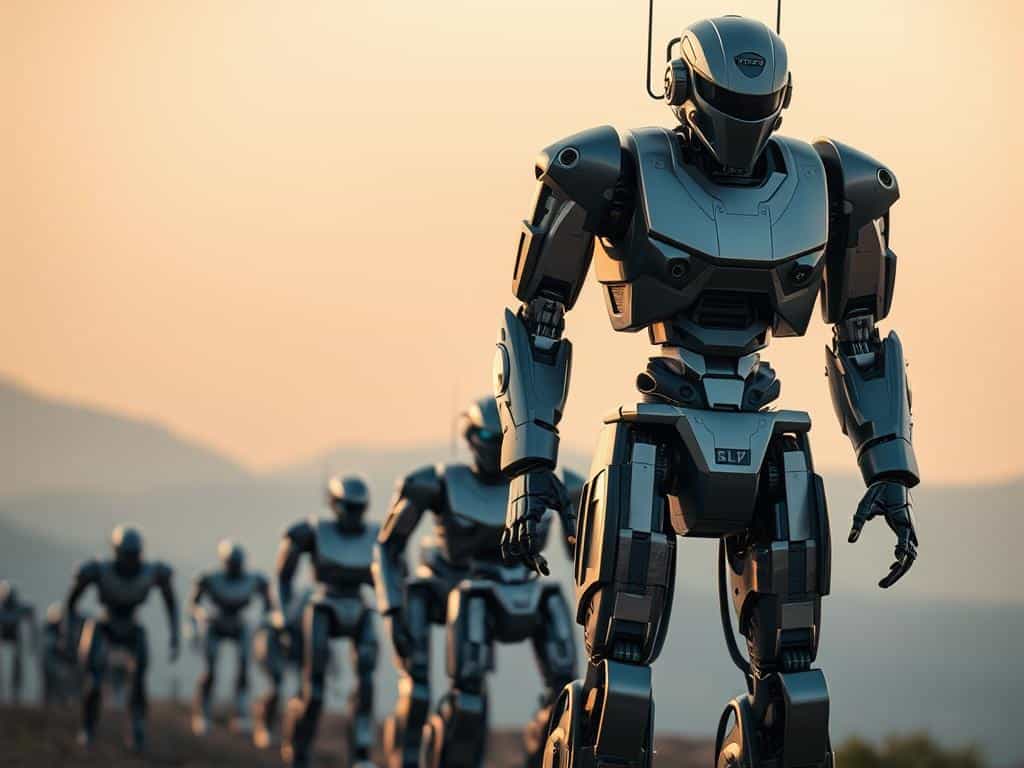
Technological Advances Enabling Better Collaboration
The world of Human-Robot Interaction (HRI) is changing fast. New tech in speech recognition and natural language processing lets robots understand and respond to us better. Now, we can talk, gesture, or even touch to give commands.
AI and machine learning are key to better interactions. Robots can now predict what we’ll do next based on past actions. For instance, Neurala uses AI in factories to make product checks more efficient. This makes robots work better with us, boosting productivity and efficiency.
Wearable robots and exoskeletons are also changing how we do physical tasks. Seismic Robotics is leading the way with tech that helps us lift and move more easily. Today’s exoskeletons are lighter and easier to use, making work safer and more efficient. These advancements are making work better and more collaborative for humans and robots alike.
